
Egypt Itinerary Planning Guide That Works
Three days in Egypt can feel like a teaser. Two weeks can still feel packed. That is exactly why an egypt itinerary planning guide matters – not just to help you see the big names, but to help you shape a trip that actually matches your pace, interests, and budget. Egypt rewards thoughtful planning because distances are real, history is dense, and every extra stop changes the rhythm of the journey.
This is not a country where you want to stack sites without thinking about logistics. Cairo, Luxor, Aswan, Abu Simbel, the Red Sea, and the Sinai all offer very different experiences. Some travelers want tombs, temples, and museums from morning to night. Others want a more balanced route with culture, Nile scenery, and a few slow days by the water. The right plan depends less on a checklist and more on how you want to experience Egypt.
How to use this Egypt itinerary planning guide
Start with one honest question: is your trip about ancient Egypt first, or do you want a wider mix of culture, city life, desert, and coast? That answer shapes everything.
If ancient history is your priority, you will want to focus on Cairo, Luxor, and Aswan, with Abu Simbel if time allows. If you also want rest, diving, or beach time, then adding Hurghada, Marsa Alam, or Sharm El Sheikh makes sense. If you love slower cultural travel, you may prefer more time in Cairo neighborhoods, local markets, Nubian experiences around Aswan, or a Nile cruise that lets the landscapes sink in between temple visits.
The biggest mistake travelers make is trying to do too much in too little time. Egypt is not difficult in the sense of being impossible to navigate, but it does reward realistic spacing. Early starts are common. Heat can be draining. Museum and temple days are more intense than they look on paper.

Decide how many days you really need
A short trip of 5 to 6 days works best if you stay focused. In that window, Cairo plus Luxor is the strongest combination. You get the Pyramids of Giza, the Egyptian Museum or Grand Egyptian Museum depending on what is open and practical during your visit, Islamic and Coptic Cairo if you have the energy, then Luxor for Karnak, Luxor Temple, the Valley of the Kings, and a few west bank highlights.
With 7 to 9 days, Egypt opens up. This is the sweet spot for many travelers. You can do Cairo, Luxor, and Aswan without feeling constantly rushed. You may also have room for Abu Simbel or a short Nile cruise. If your style leans toward meaningful travel rather than nonstop movement, this range often gives the best balance.
With 10 to 14 days, you can build a fuller route. That might mean Cairo, Luxor, Aswan, Abu Simbel, and a few days on the Red Sea. Or it could mean a slower history-focused trip with extra time in each city, a cruise, and room to absorb what you are seeing instead of racing through it.
More than two weeks gives you flexibility rather than necessity. At that point, it is less about adding famous stops and more about traveling deeper. You can include Alexandria, Siwa Oasis, or the Sinai if those places genuinely fit your interests.
Build your route around Egypt’s core regions
Cairo and Giza
For most travelers, Cairo is the gateway and deserves more than a layover. The pyramids alone can consume a full day if you include Giza, the Sphinx, and time to take in the scale of the plateau. But Cairo is also layered and alive in ways many first-time visitors underestimate. Historic mosques, old churches, busy streets, and strong food culture make it worth at least two full days, often three.
If you are interested in culture as much as monuments, do not treat Cairo as a transit point. It is your best chance to understand modern Egypt alongside the ancient story.
Luxor
Luxor is where many travelers feel the weight of ancient Egypt most strongly. The east bank is grand and ceremonial. The west bank is quieter, more intimate, and often more emotionally striking. Two full days is a practical minimum here. Three is better if you want a less hurried experience.
Luxor can also be physically demanding, especially in warmer months. The sites are large, shade is limited, and early departures are the norm. Build in a little breathing room.
Aswan
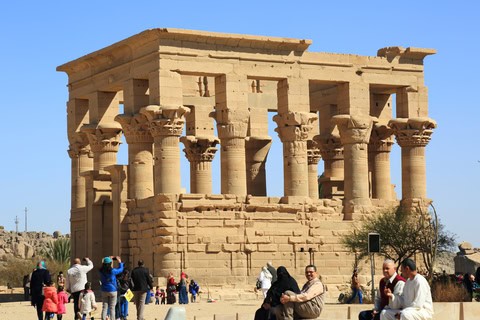
Aswan changes the pace. It feels softer, more scenic, and in many cases more relaxed than Luxor or Cairo. The Nile is especially beautiful here, and the city works well for travelers who want history with more atmosphere and less constant intensity. Philae Temple, a felucca ride, and time to engage with Nubian culture give Aswan a distinct personality.
Many itineraries shortchange Aswan, which is a mistake if you enjoy places as much as landmarks. Two nights is good. Three is better if you are adding Abu Simbel.
Abu Simbel
Abu Simbel is one of those places that can feel like a logistical stretch on paper but unforgettable in person. The question is not whether it is impressive. It is whether the long day trip or added overnight fits the rest of your route.
If you have fewer than 7 days in Egypt, it may be too much. If you have 8 days or more and ancient sites are a major reason for your trip, it is often worth including.
Red Sea resorts
Hurghada, Marsa Alam, and Sharm El Sheikh serve a different purpose. They are not cultural substitutes for Upper Egypt. They are where you go to reset, snorkel, dive, or end the trip on a softer note. If your travel style needs contrast, adding a few sea days can make the whole itinerary feel more complete.
Sample Egypt itinerary planning guide by trip length
6 days
Arrive in Cairo and spend two full days between Giza and the city. Fly to Luxor for two full days of temple and tomb visits. Depart from Luxor if possible, or return to Cairo for your flight home. This is compact, efficient, and best for first-time travelers with limited time.
8 days
Spend three days in Cairo, then head to Luxor for two days and continue to Aswan for two days. Use the final day for departure or a short transfer back through Cairo. This route works especially well if you want both headline sites and a more rounded feel.
10 to 12 days
Start with Cairo for three days, continue to Luxor for two or three days, then Aswan for two or three days with Abu Simbel. Finish with two or three days on the Red Sea. For many travelers, this is the most satisfying first trip to Egypt because it combines depth with recovery time.
Choosing trains, flights, or a Nile cruise
Domestic flights save time and are often the best choice when your schedule is tight. Cairo to Luxor or Aswan by air can dramatically reduce travel fatigue. If you are trying to fit a lot into one week, flights are usually worth it.
Trains can be appealing for budget and experience, especially on routes between Cairo, Luxor, and Aswan. But they are not always the best option for every traveler. Overnight trains save a hotel night, yet comfort levels vary and sleep can be hit or miss.
A Nile cruise sits somewhere else entirely. It is not the fastest way to move, but that is the point. For travelers who want an atmospheric journey and do not mind a more structured schedule, cruising between Luxor and Aswan can be one of the most enjoyable ways to connect the major temple sites.
When season changes the itinerary
October through April is the most comfortable period for many travelers. Sightseeing is easier, especially in Luxor and Aswan. This is also peak season, so prices can be higher and planning ahead matters more.
Late spring and summer bring serious heat, especially in Upper Egypt. That does not mean you should avoid Egypt completely. It means you should plan differently. Shorter outdoor days, very early starts, more hotel downtime, and fewer one-day marathons become important. If you travel in hotter months, a slower itinerary is usually the smarter one.
Budget, pace, and travel style matter as much as days
A luxury traveler can cover more ground comfortably because private transfers, flights, and curated touring reduce friction. A budget traveler may want fewer stops and longer stays to keep transport costs manageable. Families often do better with a gentler pace and fewer hotel changes. Solo travelers may appreciate the ease of key domestic flights and pre-arranged transfers in more complicated segments.
This is where a good itinerary becomes personal. The best route is not the one with the most pins on a map. It is the one that leaves room for energy, curiosity, and the occasional spontaneous moment.
The smartest first-trip strategy
If this is your first time in Egypt, keep your foundation simple: Cairo, Luxor, and Aswan. Add Abu Simbel if you have enough time. Add the Red Sea if you want contrast. Save Alexandria, Siwa, and the Sinai for a return trip unless one of them is a core reason you are coming.
That approach gives you the strongest introduction to Egypt without turning the trip into a blur. It also leaves something for next time, which is not a failure of planning. It is often the sign of a trip built with good judgment.
At Damtos Adventure, we always come back to the same idea: travel deeper, not just farther. Egypt is at its best when your itinerary creates space for wonder, not just movement.