Explore
The Gambia
The Smiling Coast of Africa

GAMBIAN CULTURAL DANCERS

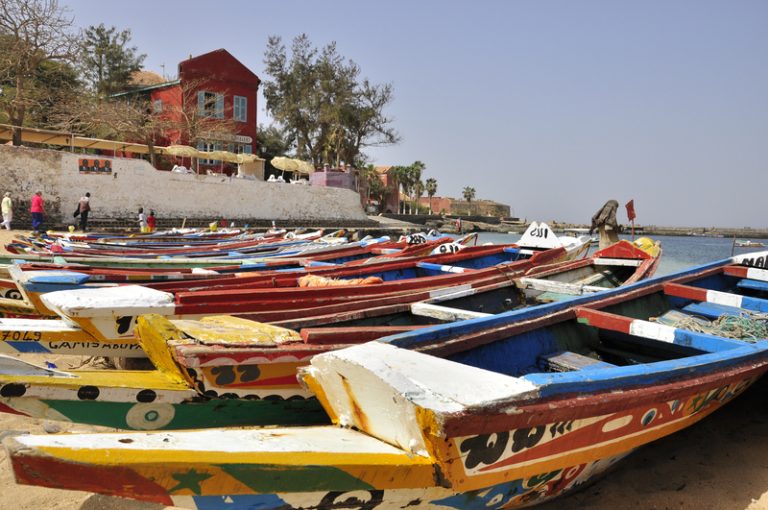
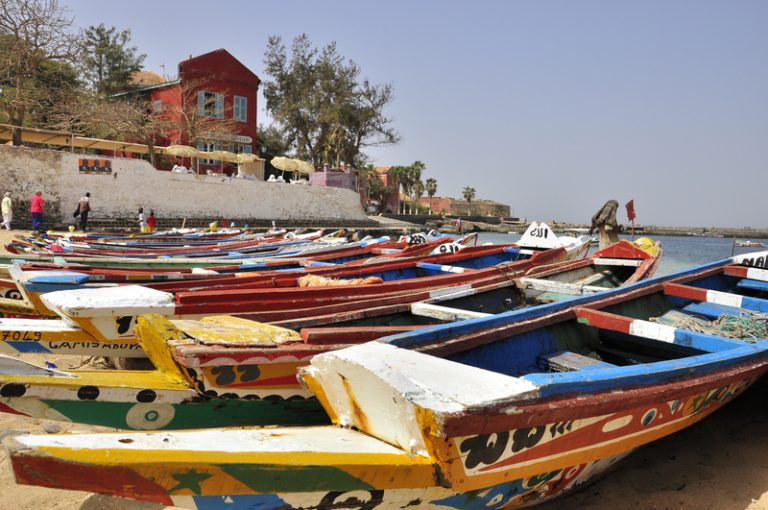
BEACH IN GAMBIA
Language
English is the official language, but local languages such as Mandinka, Wolof, and Fula are widely spoken. Here are five useful phrases to know:
– Salaam aleikum (Wolof/Mandinka) – Peace be upon you (common greeting)
– Nanga def? (Wolof) – How are you?
– Abaraka (Mandinka) – Thank you
– Jerejef (Wolof) – Thank you
– Ka kairaba (Mandinka) – Goodbye
Currency
The Gambian dalasi (GMD) is the official currency. At present, 1 USD is roughly equivalent to about 66 GMD. Cash is preferred for most transactions, especially in markets and small restaurants, though larger hotels may accept cards. It’s a good idea to carry small notes for easier exchanges.
Weather
The Gambia has a subtropical climate with a distinct dry and rainy season.
Best Time to Visit (Dry Season): November to mid-June. Days are sunny, hot, and dry with low humidity. This is the perfect time for beach holidays and bird watching.
Rainy Season: July to October. This is characterized by high humidity, short, heavy downpours, and lush green landscapes. Some lodges may close, and travel can be a bit more challenging, but it’s quieter and very beautiful.

At a glance
My experience in The Gambia
As we began our descent into Banjul airport, I peered out the window, expecting to see a sprawling metropolis. Instead, the landscape unfolded like a living map: a serpentine river cutting through lush, emerald-green mangroves, flanked by golden sand and the deep blue of the Atlantic Ocean. This was my first glimpse of The Gambia, the smallest country on mainland Africa, and I was instantly captivated.
They call it “The Smiling Coast of Africa,” and from the moment I stepped off the plane, greeted by a wave of warm, humid air and the genuinely beaming face of my taxi driver, I understood why. My journey through The Gambia wasn’t just a vacation; it was a lesson in warmth, resilience, and the simple joy of human connection. Whether you’re a family looking for a unique cultural experience, a group of friends seeking adventure, or a solo traveler yearning for authenticity, The Gambia welcomes you with open arms and, of course, a brilliant smile.
The pace is slow, the atmosphere is relaxed, and the famous Gambian smile is not a myth—it’s the default setting. This immediate immersion is a gentle culture shock, one that feels inviting rather than intimidating. The initial hustle of taxi drivers and beach boys offering their services can be overwhelming, but a polite but firm “No thank you” or “Maybe later” is always met with understanding.
Eating Out: From Street Food to Beachfront Restaurants
Local “Chop Houses”: For the most authentic and budget-friendly experience, seek out a local eatery, often called a “chop house.” For less than $2-3 USD, you can get a massive plate of the day’s dish. I’ll never forget my first taste of Domoda—a rich, savory peanut stew with tender meat (usually beef or chicken) and vegetables, served over rice. It’s the national dish for a reason.
The Beach Restaurants: Along the strips of Kotu, Kololi, and Cape Point, you’ll find fantastic tourist-friendly restaurants. Here, you can enjoy freshly caught grilled fish (barracuda is a must-try), Western dishes, and incredible seafood platters while listening to the waves crash. Nelson’s Mandela Restaurant and Lamin Lodge (built over the water on stilts) are iconic spots.
Street Food: Be adventurous! Try Benechin (“one pot” rice with fish and vegetables), Yassa (onion-based marinated chicken or fish), or a simple but delicious sandwich made with fresh baguettes from a street vendor. For a quick snack, grab.
Pro Tip: Don’t drink the tap water. Always opt for sealed bottled water, which is cheap and widely available. Most restaurants use purified water for cooking and ice, but it never hurts to ask.
Transportation
Getting around the major urban areas—Banjul, Serrekunda, and the tourist coasts—is an adventure and one of the best ways to feel the country’s pulse.
Taxis: There are two types: green-yellow tourist taxis (metered or negotiable for longer trips) and the much cheaper shared taxis that run set routes like gelly-gellys. For a day of exploring, you can hire a tourist taxi for a few hours for a negotiated price. Always agree on the fare before you get in.
The Gelly-Gelly: This is the quintessential Gambian experience. A gelly-gelly is a shared minibus, often painted in vibrant colors and religious inscriptions. They run set routes and are incredibly cheap (like 5-15 GMD, less than $0.25 USD). You hop on, squeeze in with the locals, and pass your fare forward through a network of hands to the conductor. To get off, you tap the roof or say “stop driver!” It’s chaotic, fun, and the fastest way to feel like a local.