Cape Town Cultural Guide for Curious Travelers
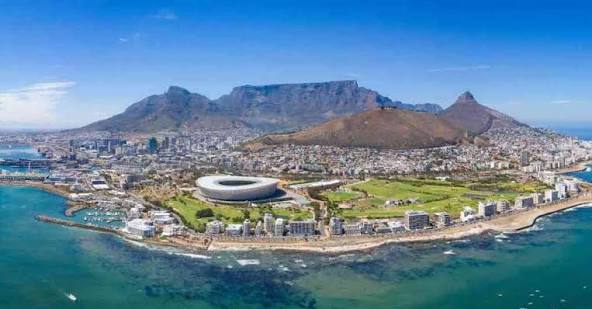
Cape Town makes a strong first impression with Table Mountain, ocean views, and those postcard-perfect drives. But a real Cape Town cultural guide starts somewhere else – in the city’s layered history, its languages, its food, its faith communities, and the neighborhoods where identity is lived rather than staged for visitors. If you want your trip to feel richer than a checklist of landmarks, this is where to begin.
Cape Town is one of the most complex cities in Africa to understand quickly. It is beautiful, creative, and deeply social. It is also shaped by colonialism, slavery, apartheid, migration, and ongoing inequality. That mix is exactly why culture here feels so alive. The city does not offer one neat story. It offers many, and the best trips make room for that.
How to use this Cape Town cultural guide
Think of Cape Town in layers rather than attractions. One layer is historic – forts, museums, old mosques, and districts marked by forced removals. Another is everyday life – neighborhood markets, family-run restaurants, minibus taxis, beach gatherings, gospel sounds, and weekend braais. A third is contemporary – design studios, street art, wine culture, fashion, and a food scene that keeps reinventing itself.
For most travelers, the mistake is trying to consume all of this too fast. Cape Town rewards slower travel. Pick a few neighborhoods, take a walking tour with a local guide, and leave space for conversations. A city with this much history rarely makes sense from inside a car.
Start with the history that shaped the city
Before you spend time in the trendier parts of Cape Town, ground yourself in its past. The city was an important point in Dutch and British colonial networks, and the legacy of slavery still runs through local culture, family histories, architecture, and cuisine. Later, apartheid reshaped where people could live, work, worship, and move.
District Six is one of the clearest places to understand this. Once a vibrant, mixed community, it was declared a white area under apartheid and tens of thousands of residents were forcibly removed. Visiting the museum or joining a local history walk gives you more than facts – it gives context for the emotional geography of the city.
Robben Island matters for the same reason. Yes, it is a major visitor site, but it is not just a box to tick because Nelson Mandela was imprisoned there. It is a place to reflect on political struggle, resistance, and the human cost of racist systems. If you go, give it time. Rushing through it weakens the experience.
Neighborhoods where culture is easiest to feel
Bo-Kaap is often photographed for its brightly painted houses, but the color is only part of the story. This is a historic Cape Malay neighborhood with deep Muslim heritage, long family histories, and one of the city’s strongest culinary identities. If you visit, do more than take pictures. Eat locally, learn about the community’s roots in slavery and exile, and be respectful in residential streets where people actually live.
Woodstock offers a different energy. It has galleries, coffee shops, creative studios, and visible street art, but it also raises questions about gentrification. Some travelers love it because it feels contemporary and easy to access. That is fair. Just remember that rising popularity changes neighborhoods, and not always in ways that benefit longtime residents.
Langa, Cape Town’s oldest township, can be one of the most meaningful stops in the city when approached properly. The key phrase is “when approached properly.” Go with a trusted local guide or community-led experience rather than treating it like a spectacle. Done well, a visit can introduce you to local entrepreneurship, music, food, and stories of resilience. Done poorly, it can feel extractive.
Food is one of the clearest ways into culture
If you only eat at polished waterfront restaurants, you will miss a huge part of Cape Town. This city’s food culture reflects Indigenous traditions, African migration, Dutch and British colonial influence, South Asian connections, and Cape Malay cooking that is central to local identity.
Start with Cape Malay dishes if they are new to you. Curries, bredie, samosas, pickled fish, and koesisters tell a story of adaptation, spice routes, and family memory. They are not just “local food” in a generic sense. They are part of a specific cultural heritage tied closely to the Muslim communities of the Cape.
Then look wider. You will find braai culture everywhere, from casual social gatherings to restaurant menus. You may also come across chakalaka, pap, Gatsby sandwiches, and excellent seafood. In some settings, food is informal and social rather than curated. That is often where it becomes memorable.
Markets can help, but they are mixed. Some are genuinely local and lively. Others are more visitor-oriented and polished. Neither is automatically bad. It just depends what you want. If your goal is convenience and variety, markets work well. If your goal is cultural depth, a neighborhood restaurant or home-style cooking experience usually gets you closer.
Language, etiquette, and reading the room
One reason Cape Town feels layered is that people move between languages and identities all the time. English is widely used, but Afrikaans and isiXhosa are also deeply present. You do not need to speak all three, but showing interest matters. Even learning a simple greeting can change the tone of an interaction.
Etiquette is less about formal rules and more about awareness. Ask before photographing people, especially in residential neighborhoods and places of worship. Dress modestly if you are visiting a mosque or religious event. Be careful with assumptions about race, class, and identity. Cape Town is diverse, but its social lines are still shaped by history.
Tipping is common in restaurants and for guides. Patience also goes a long way. Service rhythms may feel slower than what some US travelers expect, especially in smaller local establishments. That is not always inefficiency. Sometimes it is simply a different pace.
Music, art, and the city’s creative pulse
Cape Town’s cultural life is not trapped in museums. You hear it in jazz venues, church choirs, neighborhood festivals, and spontaneous street performance. Jazz has deep roots here, shaped by local struggle, migration, and experimentation. If live music is part of how you understand a place, make room for it.
Art is equally important. Contemporary galleries may be the easiest entry point, but public art and community expression often reveal more about the city’s mood. Murals in changing neighborhoods, craft traditions, design markets, and photography exhibitions all show how Cape Town negotiates memory and modern identity.
If your trip overlaps with a local festival, pay attention. Events around music, food, faith, and heritage can offer a stronger sense of place than a standard sightseeing day. The trade-off is that festivals can be crowded and less predictable. For many travelers, that is part of the appeal.
Practical choices that shape your experience
Where you stay affects what kind of Cape Town you see. The City Bowl is convenient for first-timers and gives easy access to historic sites, restaurants, and day trips. Staying in or near a neighborhood with stronger local character can feel more immersive, but you need to think carefully about logistics and safety.
Transport matters too. Ride-hailing apps are common and practical for many visitors. Renting a car gives freedom for coastal drives and wine country, but it can also keep you insulated from street-level experience. Walking is rewarding in the right areas and at the right times, especially with a guide, but not every part of the city is equally comfortable for independent wandering.
Safety should be handled with the same mindset you would use in any major city, just with added attention. Do not flash valuables, avoid isolated areas after dark, and get current local advice about where to go and when. Being open to culture does not mean ignoring common sense.
What many travelers get wrong
The biggest mistake is treating culture as an add-on after beaches, wine estates, and mountain views. In Cape Town, culture is the framework that makes those experiences meaningful. Another mistake is assuming “authentic” always means rougher, cheaper, or less organized. Sometimes a carefully curated museum or cooking class teaches more than a random stop with no context.
The best approach is balanced. Pair major sites with neighborhood experiences. Pair historical learning with present-day creativity. Pair independent exploration with time spent alongside local guides who can explain what a visitor might otherwise misread. That is usually where a trip shifts from pleasant to memorable.
Cape Town does not ask you to see everything. It asks you to pay attention. Travel deeper, and the city gives you more than scenery – it gives you stories, tension, beauty, and a sharper understanding of South Africa itself.