African Safari Tours Cost: What to Expect
If you have started pricing a safari and felt like the numbers were all over the map, you are not imagining it. African safari tours cost can swing from a few hundred dollars a day to several thousand, even within the same country. That gap usually comes down to what kind of experience you want, where you go, when you travel, and how much comfort matters once the game drive ends.
A safari is not one product. It is a mix of transport, park fees, guiding, lodging, meals, conservation costs, and location. A tented camp in a private conservancy in Kenya is priced differently from a self-drive trip through Kruger, and both are completely different from a fly-in luxury safari in Botswana. If you want to plan well, the useful question is not just “How much is a safari?” but “What kind of safari am I actually paying for?”
African Safari Tours Cost by Budget Level
For most travelers, a realistic starting point is to think in daily cost rather than total trip price. That makes it easier to compare options across countries and trip styles.
A budget safari often lands around $150 to $300 per person per day. At this level, you might be joining a group tour, staying in basic lodges or permanent tents, and traveling by road rather than small aircraft. Countries like South Africa, Namibia, and some Tanzania and Kenya group departures can fit here, especially outside peak season.
Mid-range safaris usually sit between $350 and $700 per person per day. This is where many travelers end up because it offers a strong balance of comfort and wildlife access. Expect good lodges, experienced guides, decent food, and better logistics. In East Africa, this price point can still deliver unforgettable game viewing, especially if you are sharing costs with a partner or small group.
Luxury safaris often start around $800 per person per day and can easily rise well above $1,500. In high-end destinations such as Botswana, Rwanda, or private conservancies in Kenya, the price can climb much higher. You are paying for exclusivity, smaller camps, premium guiding, exceptional locations, charter flights, and a more personal pace.
These ranges are broad because safari pricing is deeply shaped by context. A mid-range trip in South Africa may cost less than a budget-conscious trip in Botswana simply because the infrastructure, access model, and conservation fees are different.
What Makes African Safari Tours Cost So Much?
The biggest surprise for first-time travelers is that safari prices are not inflated just for the sake of it. Many of the core expenses are built into how remote wildlife travel works.
Park fees and conservation charges are a major factor. In some destinations, these are substantial and non-negotiable. If you are visiting famous reserves such as the Serengeti, Maasai Mara, or gorilla regions in Rwanda and Uganda, the cost of access alone can significantly shape your final budget.
Guiding also matters more than many travelers expect. A great safari guide changes the entire experience. They track movement, read animal behavior, understand the landscape, and often know how to position the vehicle without turning the sighting into chaos. Quality guiding is one of the best places for your money to go.
Then there is transport. A road safari is generally more affordable, but long distances can eat into your time. A fly-in safari cuts travel stress and opens access to more remote areas, but it pushes the price upward fast. Botswana is a classic example – its safari model often relies on light aircraft transfers because many camps are deep in the Okavango Delta or other remote areas.
Accommodation plays a huge role too, but not just in the luxury sense. Even simple safari camps are operating in places where everything from food to fuel to laundry has to be moved in. Running a lodge in the bush costs more than running a hotel in a city.
Country Matters More Than Many Travelers Realize
If your goal is to keep costs manageable, destination choice may matter even more than whether you pick “budget” or “luxury.”
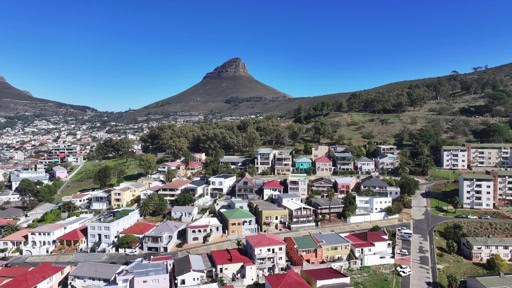
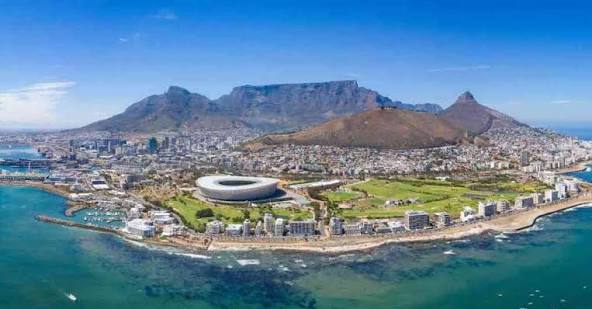
South Africa is often the most accessible entry point for travelers who want strong wildlife viewing without the highest safari costs. Kruger and surrounding private reserves offer a wide range of pricing, and the country’s road network makes self-drive safaris possible. That creates flexibility you simply do not get everywhere else.
8 Best places for Safari in South Africa
Kenya and Tanzania sit in the middle for many travelers. They offer iconic safari landscapes, major migration experiences, and plenty of tour infrastructure. Prices can vary sharply depending on season, routing, and whether you choose private or group travel. The classic circuit is not always cheap, but the range of options is broad.
Namibia is a strong choice for travelers who want wildlife, dramatic landscapes, and a bit more independence. It can be cost-effective if you self-drive, though fuel, distance, and vehicle rental still add up. It is less about nonstop animal density and more about a fuller overland experience.
Botswana tends to be one of the pricier safari countries, but for a reason. It has intentionally protected a low-volume, high-value tourism model in many wildlife areas. That often means fewer crowds and extraordinary settings, though not every traveler needs that level of exclusivity.
Rwanda is a different category because many travelers go primarily for gorilla trekking rather than a classic plains-game safari. The permit cost alone is high, so even a shorter trip can feel expensive.
Group Tour, Private Safari, or Self-Drive?
This is where the numbers shift fast.
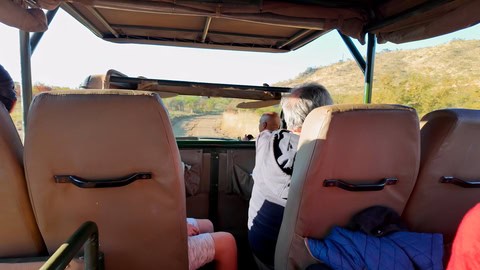
Group safaris usually offer the best value. You share vehicle, guide, and operational costs, which can make high-interest parks much more affordable. The trade-off is flexibility. If you are someone who wants to linger at a leopard sighting for 40 minutes or structure the day around photography, a group trip may feel limiting.
Private safaris cost more, but they make sense for couples, families, photographers, and travelers who value control over pace and routing. They can also be more efficient if your time is limited. Paying more per day may actually create a better trip if it cuts transit time and aligns the experience with what you care about most.
Self-drive is the budget conversation many travelers are curious about, especially in South Africa and Namibia. It can reduce costs and add freedom, but it is not automatically cheap once you factor in vehicle rental, insurance, park fees, accommodation, and fuel. It also works best for travelers comfortable with long drives, navigation, and a more independent style.
When You Go Changes the Price
Peak season usually means the best wildlife concentration, the easiest conditions for game viewing, and the highest rates. In East Africa, migration timing can push prices up in certain areas. In Southern Africa, the dry season often draws the strongest demand because animals gather around water and vegetation is thinner.
Green season or shoulder season can bring real savings. Rates drop, landscapes are lush, and birdlife can be fantastic. The trade-off is that wildlife may be more dispersed, roads can be trickier, and rain may affect movement. That does not make it a bad time to go. It just means your expectations should match the season.
If your budget is tight, traveling just outside the absolute peak can be one of the smartest moves you make.
Hidden Costs to Ask About Before You Book
Not every safari quote includes the same things, and this is where comparisons get messy.
Some tours include airport transfers, drinks, laundry, and park fees. Others strip those out and present a lower headline rate. Tips are another common extra, and on safari they are a meaningful part of the travel budget. Internal flights, visa fees, travel insurance, and premium activities such as hot air balloon rides can also sit outside the base cost.
It is worth asking for a fully itemized price before you commit. A cheaper safari is not always cheaper once the missing pieces are added back in.
How to Get Better Value Without Cheapening the Experience
The goal is not just to spend less. It is to spend well.
Start by being honest about what matters most. If this is your once-in-a-lifetime safari, wildlife access and guiding should outrank room size. If you are combining safari with cultural travel or beach time, you may not need five nights in a premium reserve.
Traveling with one or two other people can improve value dramatically because many private costs are shared. Staying a little longer in fewer places can also help, since constant transfers often increase the budget. And if your dream is seeing wildlife rather than chasing a specific luxury brand of camp, there are excellent mid-range safaris that deliver far more than their price suggests.
For travelers who want a richer, more grounded trip, it also helps to think beyond the headline park names. Some lesser-known conservancies and regional combinations offer a more personal feel, strong guiding, and less crowding for a better overall cost.
African safari tours cost what they cost because they are built around access to wild places, skilled people, and fragile ecosystems. The good news is that there is no single correct budget – only the version of the journey that fits your priorities. Plan for the experience you will remember, not the one that just looks cheapest on paper.