
Is this City still the dream destination for great adventure, shopping and culture everyone raves about?
This city delivers a vibrant blend of adventure, culture, and shopping. Iconic landmarks like Table Mountain and the V&A Waterfront set the scene, while lively markets such as the Old Biscuit Mill and Greenmarket Square offer local crafts, spices, and one-of-a-kind finds. This is what makes Cape Town a great destination not to miss. Also Cultural neighborhoods like Bo-Kaap add depth and color, and outdoor thrills—from hiking to quad biking—round out the experience. Together, they create a rich, immersive South African adventure that’s both exciting and authentic.
Cape Town is consistently ranked as one of the world’s best cities to visit, but also a place of stark contrasts. The key to enjoying the city on a budget isn’t about missing out; it’s about travelling smarter. Instead of five-star meals you can buy food from vibrant market stalls. You can trade expensive tours for free walking adventures, and helicopter rides for your own two feet powered by sheer awe.
Let’s take you through 12 amazing things you can do in Cape Town without breaking the bank. This is based on our own experiences of the wonderful discoveries and moments that meant everything. Whether you’re a couple on an adventure, or a family creating memories, you’ll cherish these activities.
1. Conquer the Icon: Hike Table Mountain (Instead of Taking the Cable Car)
The Table Mountain Aerial Cableway is an engineering marvel, and the ride up is stunning. The round-trip cost can quickly add up to a significant chunk of your daily budget. Hiking to the top instead can be exhilarating.
We opted to hike up Platteklip Gorge, the most direct and popular route to the summit. Let me be frank: it’s a challenging, steep, and rocky climb that took us about two hours of solid uphill effort. We packed plenty of water, snacks, and sunscreen, and started early to avoid the scorching midday sun.
Reaching the top under your own steam gives you a great feeling of accomplishment. The 360-degree views of the city, the Atlantic Ocean, and the surrounding peaks were a memorable sight. And it was much more rewarding after the climb.
We spent a good few hours on top, wandering the pathways, spotting daisies (rock hyraxes), and simply soaking it all in. The one-way ticket down, by cable car is significantly cheaper than a round trip, and our tired legs were very grateful for the option.

Budget Tip: Hike up via Platteklip Gorge and take the cable car down. It saves money and is easier on the knees. Always check the weather before you go, as the mountain can become dangerous in high winds or cloud cover. It’s free to hike; you just pay for the cable car down if you choose.
2. Wander the Colorful Streets of Bo-Kaap
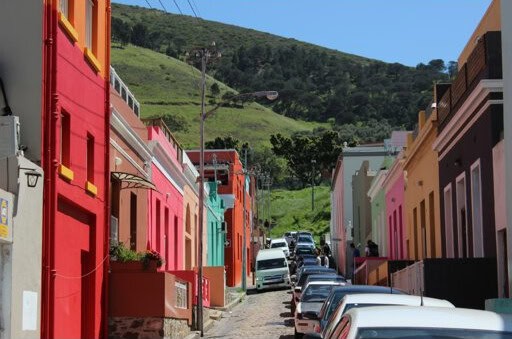
Formerly known as the Malay Quarter, the Bo-Kaap is arguably one of Cape Town’s most famous neighborhoods. And while it’s a beautiful spot for photos, its significance runs much deeper. The brightly painted houses, cobbled streets, and rich Cape Malay culture tell a story of identity and community. This is definetly a Cape Town attraction that is budget-friendly.
We decided to forgo a formal tour and simply spent a morning getting lost. We wandered up and down the steep hills, each turn revealing a new palette of vibrant pinks, blues, yellows, and greens. The area is a living museum, and we soaked in the sounds of children playing and the incredible aromas of spices and traditional food wafting from the kitchens.
While there, we visited the Bo-Kaap Museum (a small and affordable house museum that gives context to the area’s history) and, most importantly, we supported local. We bought spices from the corner shops and, for lunch, we grabbed a cheap and utterly delicious Gatsby—a gigantic, foot-long submarine sandwich stuffed with chips (fries), meat, and sauce—from a local eatery. It’s a meal meant for sharing and a true Cape Town staple.

Budget Tip: Exploring the streets is completely free. To save even more, skip the pricey food tours and grab a Gatsby to share. Remember, these are people’s homes, so be respectful, don’t block doorways for photos, and engage with the local businesses.
3. Explore the V&A Waterfront (Without Splashing Cash)
The Victoria & Alfred Waterfront is Cape Town’s premier shopping and entertainment destination. It’s glamorous, bustling, and can be incredibly expensive if you let it. But we learned that you can enjoy its energy and beauty without spending a cent on shopping.
We treated it like an open-air museum. We watched the talented street performers, admired the beautiful yachts and working harbour, and spotted seals playing in the water. The historic clock tower is a beautiful photo opportunity, and the views of Table Mountain from the waterfront are unparalleled.
One of our favorite free activities was simply people-watching from one of the many public benches. We also explored the Watershed, a fantastic indoor market hall filled with local crafts, design, and art. While buying things costs money, browsing and appreciating the craftsmanship is free and incredibly inspiring.

Budget Tip: Pack a picnic (perhaps from the Oranjezicht City Farm Market on a Saturday morning) and enjoy it on the public benches overlooking the marina. Avoid the sit-down restaurants in favour of a takeaway coffee and a pastry from a smaller vendor.
4. Take a scenic drive along the Chapman’s Peak
Chapman’s Peak Drive is arguably one of the most beautiful coastal drives on the planet. Carved into the cliffs between Hout Bay and Noordhoek, every turn reveals a more breathtaking vista of the Atlantic Ocean. The toll fee is a small price to pay for this engineering marvel and the access it provides.
The car we we rented for the day was a 4 wheel drive, perfect for the Chapman’s Peak drive. We stopped at the lookouts for endless photos, visited the penguins at Boulders, and ended up on the long, white sands of Noordhoek Beach. We packed a picnic and had lunch with one of the best views in the world.
5. Take a Free Walking Tour: See the City Through a Local’s Eyes
One of the very first things we do in any new city is find a free walking tour. Cape Town has several excellent options. These tours are tip-based, meaning you pay what you think the tour was worth at the end, making them fantastic value.
We joined a “Historic City Centre” tour and learned so much more than we ever could have from a guidebook. Our guide, a passionate Capetonian, pointed out hidden details, shared gripping stories about apartheid, colonialism, and the city’s rebirth, and gave us invaluable local tips for the rest of our trip.
It’s a brilliant way to get your bearings, understand the complex layers of the city, and support a local directly. They often cover areas like the Company’s Garden, the District Six Museum (from the outside), and the Grand Parade.
Budget Tip: This is one of the best value activities in the city. Remember to book your spot online in advance as they can fill up. Bring cash to tip your guide fairly based on your experience—this is how they make their living.
6. Meet the (Furry) Locals at Boulders Beach Penguin Colony
Yes, you can see penguins in Africa! A short and scenic drive from the city center in Simon’s Town lies the Boulders Beach Penguin Colony, home to a thriving community of endangered African Penguins.
Now, there is a paid boardwalk that takes you right through the heart of the colony, managed by SANParks. This is fantastic for guaranteed, close-up views and directly contributes to conservation.
Just a few minutes’ walk from the main entrance, there are public access points to the beaches adjacent to the protected area. From here, we could see dozens of penguins waddling on the rocks, swimming in the crystal-clear water, and nesting in the bushes. We sat on the rocks for over an hour, utterly captivated by these charismatic birds. You may not get quite as close as on the official boardwalk, the experience was still absolutely thrilling and a huge hit.
Budget Tip: Use the public beach access for free penguin viewing. Combine this with a drive along the stunning False Bay coast to make a fantastic half-day trip. If you have the room in your budget, the official boardwalk fee does support a vital conservation effort.
7. Visit Kirstenbosch Botanical Gardens: Discover diverse flora and fauna
We didn’t expect a garden to completely sweep us off our feet, but Kirstenbosch Botanical Gardens did just that. Nestled against the eastern slopes of Table Mountain, the gardens felt like a romantic escape into nature. We wandered through trails filled with South Africa’s unique plant life—bright proteas, towering cycads, and lush forests that seemed to whisper stories of the land.
One of the highlights was the Centenary Tree Canopy Walkway, nicknamed the “Boomslang” (tree snake). Elevated above the treetops, the curved bridge gave us sweeping views of both the gardens and the mountain backdrop. It felt magical standing there together, with the sun filtering through the leaves and the sounds of birds echoing around us.
We also loved that the gardens had plenty of quiet spots where we could just sit, relax, and take in the serenity. It didn’t feel crowded or rushed—more like a place where time slows down. For couples on a budget, this was the perfect day out. The entrance fee was affordable, and we packed a picnic basket, which made it even more special.
Kirstenbosch isn’t just about plants—it’s about connection. Being surrounded by nature gave us space to talk, laugh, and share moments that felt simple yet meaningful. It’s the kind of experience that leaves you both refreshed and deeply bonded.

8. Discover Urban Wilderness in the Table Mountain National Park (Beyond the Summit)
Table Mountain National Park is a vast and incredible protected area that cuts through the city. You don’t have to summit the mountain to experience its magic. There are countless free or very low-cost access points to explore its flora and fauna.
We spent a morning hiking in Newlands Forest, a beautiful, shaded area on the eastern slopes. The trails are well-marked and range from easy strolls to more challenging hikes. The sound of the birds and the smell of the pine trees made us forget we were minutes from the suburbs.
Another fantastic option is Silvermine Nature Reserve, part of the Table Mountain National Park. There’s a small conservation fee to enter, but it gives you access to a massive area with reservoirs for swimming, braai (BBQ) facilities, and stunning hikes with 360-degree views. We brought our own food and made a whole day of it, making the entry fee incredible value.
9. Ferry to Robben Island: Nelson Mandela’s Legacy
When we boarded the ferry to Robben Island, we knew it wasn’t just going to be another sightseeing trip. This was a journey into South Africa’s soul. The ride itself offered sweeping views of Table Mountain and the city skyline, but the real weight of the experience came once we arrived. Walking through the old prison walls where Nelson Mandela spent 18 of his 27 years in confinement was sobering. Our tour was led by a former political prisoner, whose personal stories added depth and emotion that no textbook could ever capture.
Standing in Mandela’s small cell was powerful—it felt almost unreal to imagine how one man’s endurance could change the course of a nation.
The visit left us both reflective but also deeply inspired. It wasn’t just a history lesson; it was a reminder of the strength of the human spirit and the importance of justice. The trip is both educational and intimate—you’ll leave with a shared sense of humility and connection.
Our advice: book in advance, wear comfortable shoes, and take time after the tour to talk through what you’ve seen. It’s an experience that will stay with you long after you leave Cape Town.
10. Learn and Reflect: Visit the District Six Museum
To understand modern Cape Town; you must understand its past. The District Six Museum is a powerful and moving tribute to the vibrant multi-racial community that was forcibly removed under the Apartheid Group Areas Act. The museum is housed in a former church and is filled with personal testimonies, maps, and artifacts that tell this heartbreaking story of displacement.
It’s not a “fun” activity, but it is an essential and profoundly impactful. It provides crucial context to the city’s layout and social dynamics today. The entry fee is modest and goes directly towards the museum’s preservation and educational work.
We left in quiet reflection, with a much deeper understanding of the resilience of the human spirit and the scars that history leaves on a city. It’s an important stop for any conscious traveller.
Budget Tip: The entry fee is very affordable, so you can consider buying a book or postcard from their small shop to further support their mission.
11. Hit the Beach: Cape Town’s Free Natural Playground
Cape Town’s beaches are world-class and absolutely free. You could easily fill days just beach-hopping. Each beach has its own personality:
Camps Bay: The glamorous strip with a trendy vibe and stunning mountain backdrop. Great for people-watching. ·
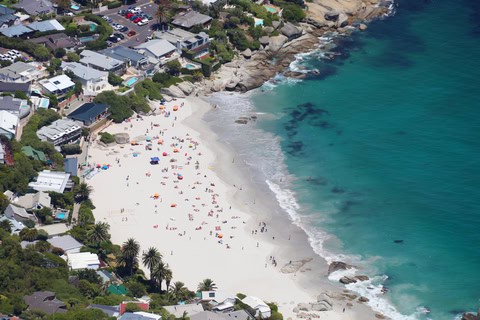
Clifton Beaches (1-4): Sheltered coves, each with a different crowd. This beach is beautiful for sunbathing, though the water is always freezing.
·
Muizenberg: The long, gentle waves make it perfect for learning to surf. The colourful beach huts are iconic. You can rent a wet suit and board for a few hours very cheaply.
St James: A family-friendly cove with a tidal pool and those famous colourful bathing boxes.

12. Explore Cape Point
Our drive to Cape Point felt like an adventure straight out of a postcard. As we made our way through the Cape Peninsula, the dramatic coastline unfolded before us—towering cliffs, crashing waves, and endless ocean views. When we finally arrived at the Cape Point Nature Reserve, it felt like we’d reached the edge of the world.
Together, we hiked up to the old lighthouse perched high above the Atlantic. The climb was steep in parts, but the reward was breathtaking. Standing there, arm in arm, we looked out at the spot where the cold Atlantic meets the warm Indian Ocean. The sheer power of nature made us feel small but incredibly alive.
We also took time to explore the walking trails that wound through fynbos-covered hills, spotting baboons and ostriches along the way. The wild, untamed beauty of Cape Point is something every couple should experience—it’s both romantic and awe-inspiring.
What made it even more memorable was simply slowing down. We found a quiet spot overlooking the ocean, sat side by side, and just let the moment sink in. It felt like we were sharing something timeless, a reminder of how vast and beautiful the world is when seen together.
Cape Point isn’t just a sightseeing stop—it’s a journey of discovery, both of the landscape and of your relationship. For us, it was the highlight of our Cape Town trip, an experience that felt adventurous, meaningful, and unforgettable.
Final Thoughts:
Cape Town taught us that the best things in life—and in travel—aren’t always things you can buy. The memories we made hiking as the sun rose, sharing a Gatsby sandwich on a colourful street, and watching penguins play in the wild are the ones that stuck with us the longest. The cheapest time to visit South Africa is during the winter months, from June to August.