The Ultimate Guide to Cape Town’s Hidden Gems, Local Foods & Secret Beaches
Most Travelers Miss This Side of Cape Town — Here’s How to Find It
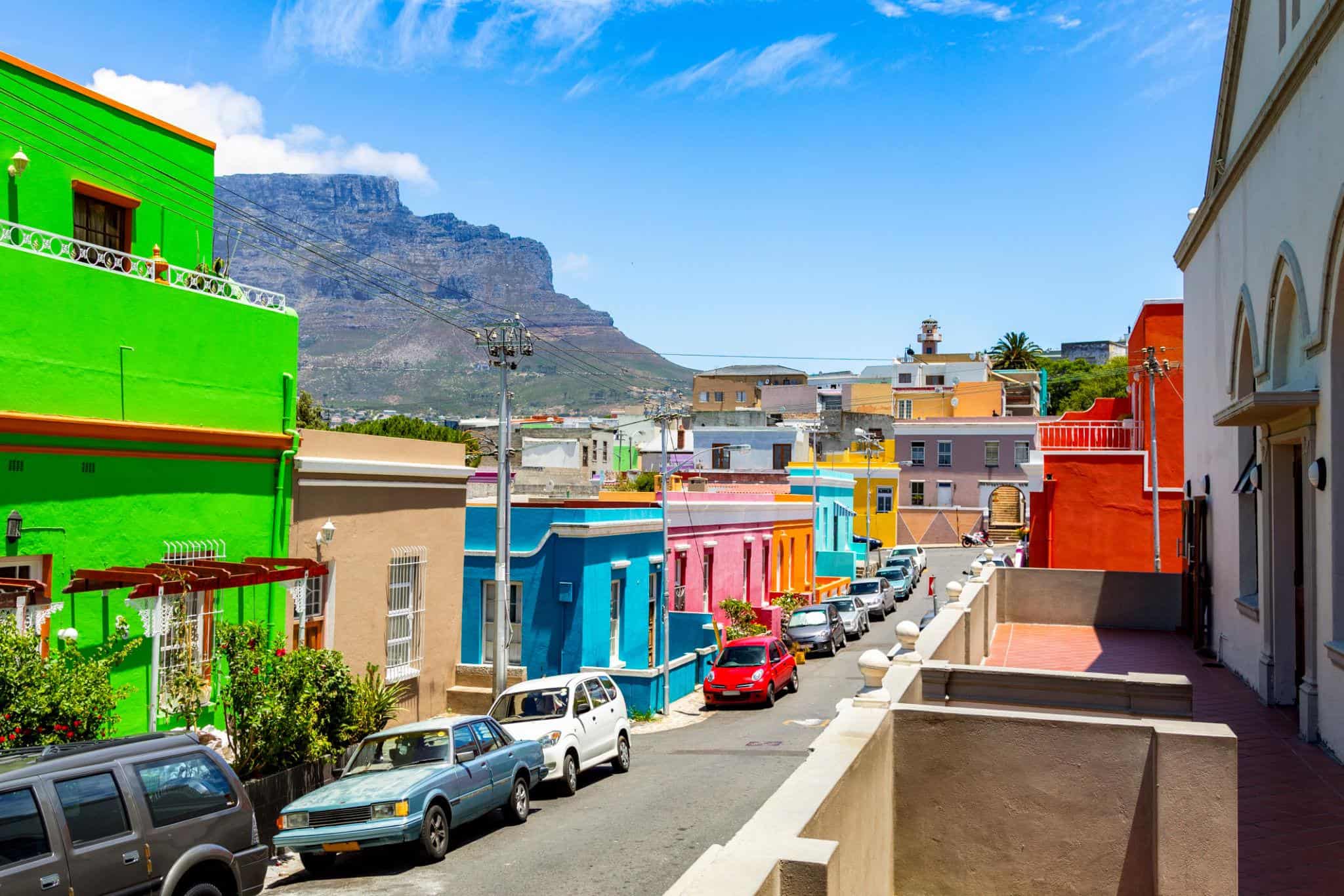
Are you looking for things to do in Cape Town beyond the usual tourist experiences? You have done Table Mountain, posed with the colorful houses in Bo-Kaap and battled the crowds at the V&A Waterfront. The next thing is what else to do in this beautiful City. We realized that the real Cape Town isn’t found on the tourist maps. You will find it in a warehouse in Woodstock, where chefs cook without a net or on a quiet stretch of sand at the end of a steep path. You can also have a scoop of ice cream that tastes like the entire African continent.
This guide will show you how to explore Cape Town like a local. We’ll show you where locals eat, swim, and shop when the tour buses have left. Forget the scripted experiences. You should explore Cape Town at your pace and on your own terms. Beyond the tourist checklist, Cape Town is a city layered with culture, hidden coastline and an exciting community.
Best beaches in Cape Town
Some of the best beaches in Cape Town are not just in tourist areas. While everyone else is trooping onto Camps Bay, you could be swimming in near-solitude. You just need to know where to look. Here are couple of best beaches in Cape Town to enjoy where you can claim your own patch of sand.
Smitswinkel Bay

Tucked away beneath the cliffs of the Cape Peninsula, Smitswinkel Bay is less than an hour from the city center but it feels a world away. A few people have weekend homes here on the mountainside and the occasional person actually lives here.
Why does it stay quiet? Because you have to work for it. The walk down is steep. It’s a commitment. But at the bottom? Crystal-clear water, white sand, and the kind of calm that makes you forget about schedules.
Local Tip: There are zero facilities here. No shops. No lifeguards. Pack water, snacks, and sunscreen. Start your descent early so you don’t have to climb back up in the dark.
Sandy Cove / Cosy Beach
Hidden in plain sight between Camps Bay and Llandudno, Cosy Beach is the quiet neighbour you wish you had. It’s small. It’s intimate. And it’s constantly overlooked by tourists racing to the bigger name
This is the spot for a slow afternoon. Bring a light picnic. Explore the granite rock pools. If you visit in the morning, you might catch the Atlantic Ocean looking like a sheet of glass.
Local Tip: Look for the wooden stairs leading down from the coastal path. Space is limited, so arrive early if the sun is out.
Kraalbaai
If you have a Saturday to spare, drive an hour north to the West Coast National Park. Beyond the City you’ll find Kraalbaai. Its lagoon waters are calm, turquoise, and sheltered. It feels more Mediterranean than Atlantic.
You can kayak, paddleboard, or simply float in water that barely has a ripple. If you visit in spring (August-September), the surrounding park explodes with wildflowers.
This is a national park, so entry fees apply. Locals love it, so get there early to snag a good spot under the trees.
Local markets in Cape Town where the Community Meets
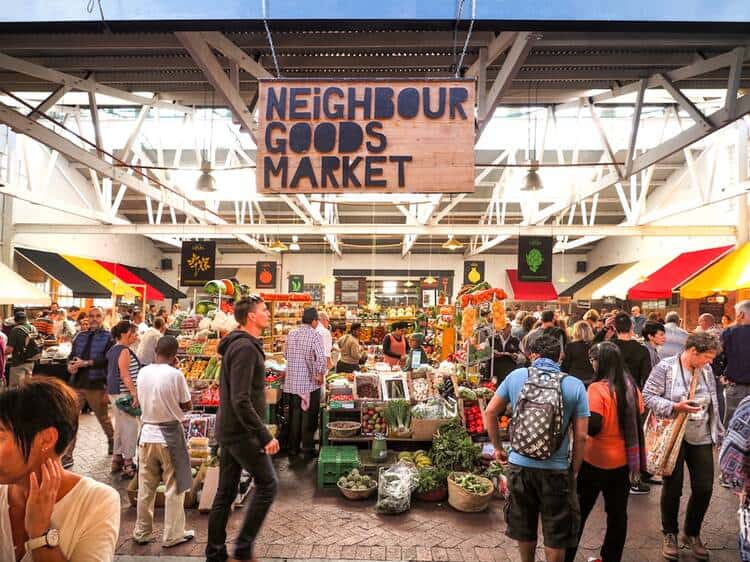
Markets in Cape Town aren’t just for tourists. They are community hubs. They are where you taste the real flavour of the city’s diverse cultures.
The New Bo-Kaap Market
On February 14, 2026, the City of Cape Town officially opened the Bo-Kaap Market. It formalized what locals had already discovered.The Market provides a platform where local food traders, creatives and small businesses trade in a managed and accessible space.
Located on those famous cobbled streets, local food traders,creatives, and small businesses have embraced this market designed to strengthen informal trading and encourage participation by everyone. You’ll find fragrant Cape Malay curries, handmade crafts, fresh produce, and traditional clothing.
Cape Town Mayor Geordin Hill-Lewis highlighted its importance, noting the city is backing informal trading with a massive R270 million investment. This is the real Bo-Kaap. It’s authentic and energetic. And good news; it’s now a permanent weekend fixture.
Local Tip: Go hungry. Look for stalls run by locals like Bo-Kaap’s Finest for food that tastes like family recipes.
The Underground Collectives
Don’t limit yourself to official markets. Head to the industrial side of town. In Woodstock and Salt River, abandoned factories and warehouses have been transformed into artisanal food collectives.
These spaces are raw. They have concrete floors and exposed pipes. But they buzz with creative energy. You might find a different chef using the space every night. Monday could bring Ethiopian injera. Friday could feature experimental tasting menus from a former fine-dining chef.
Local Tip: These spots don’t advertise. You find them through Instagram stories and word of mouth. Walk around the Woodstock industrial area and look for open doors and warm lights after dark.
Hidden food spots in Cape Town
Forget the guidebooks. The best meals in Cape Town happen in places that don’t look like restaurants. They happen in homes and unmarked storefronts. Here are couple of Cape Town hidden food spots that you should experience:
Tapi Tapi
In the heart of Observatory, a microbiologist-turned-ice-cream-maker is on a mission. Tapiwa Guzha runs Tapi Tapi, https://www.tapitapi.co.za/ and he is making traditional dessert. His ice creams are handmade in small batches with locally sourced ingredients. His focus is to share folk traditions, rituals and cultures through food practices.
He believes African food has been erased, so he scoops it back into existence. His flavours tell stories. You can try rondo ice cream, made with edible clay that expectant mothers in Africa eat for nutrition. Or black-jack, a herb many know as a weed but Guzha knows as a flavour.
He even makes an ice cream inspired by kelewele—a spicy, caramelized Ghanaian plantain snack. It’s daring, educational and very delicious too.
Local Tip: Tapi Tapi is a one-man show. The shop is closed on Mondays for churning, but you can actually join him that morning to learn how to make ice cream for free. You get to take some home.
Hidden Dining in Suburban Homes
Some of the city’s most incredible meals happen in dining rooms. Ordinary people—grandmothers, passionate home cooks—turn their homes into restaurants for a handful of guests.
These aren’t businesses in the legal sense. They are cultural exchanges. You might book a seat at a table in a suburban house for a Cape Malay cooking experience. You learn about the spice combinations while the cook’s kids do homework in the next room.
Local Tip: These secret dining events spread via private WhatsApp groups and cryptic social media posts. You might only get the address two hours before dinner. Trust the process.
The Gatsby Sandwich
You can’t eat like a local without discussing the Gatsby. This is Cape Town’s definitive street food. It’s a massive roll stuffed with meat (often masala steak or polony), fries, sauce, and salad.
Tourists go to the famous spots but locals know the best Gatsby comes from the corner shop in their specific neighbourhood. Ask your Uber driver where they get theirs. The answer is usually a small takeaway in the southern suburbs.
How to find your hidden food spot
The places listed above are just the start. The secret food scene is constantly evolving. Here is how you can keep exploring.
- Follow the locals. Don’t ask hotel concierges. Ask the person serving you coffee, during breakfast where they ate last night.
- Use Instagram geographically. Search for locations like “Woodstock, Cape Town” on Instagram. Look at recent posts from locals, not tourist accounts.
- Be willing to get lost. The best discoveries happen when you wander without a plan. You can turn down a side street and simply follow the smell of curry.
Explore Cape Town like a local and Why it matters
Travelling like a local isn’t just about saving money or avoiding queues. It’s about connection, tasting the history of the Bo-Kaap in a single bite of bobotie, understanding the cultural mission of a man making ice cream in Obs or earning the view at Smitswinkel Bay after a steep hike.
Cape Town is a city of layers. The tourist layer is definitely beautiful and you must see those places. The real authentic experience, however are the layers underneath—the hidden food spots, the quiet beaches, the community markets—where the soul lives.
So, on your next visit, skip the crowded itinerary. Go find a warehouse dinner, swim at a beach with no name or eat ice cream that challenges you.
Conclusion: Cape Town’s Hidden beaches, Secret food spots and local market
When you wander beyond the famous landmarks of Cape Town, you begin to see the city through a different lens. You taste it in family-run cafés gives you a taste of real Cape Town. You hear it in local markets or feel it on quiet beaches where the crowds disappear with the Atlantic stretches endlessly in front of you.
If you truly want to explore Cape Town like a local, slow down. We had more fun in neighbourhoods over tourist strips. The meals from food spots where locals line up, were much tastier than restaurants. Lastly, you should walk the coastline instead of rushing through it. That’s where the real stories are and culture comes alive.
Cape Town remains one of the best places to visit in South Africa because it offers contrast — mountains and ocean, culture and adventure, comfort and edge. Whether you’re planning your first South Africa itinerary or returning for a deeper experience, this city rewards curiosity.
Save this guide, share it with your travel partner, and begin mapping out your South Africa adventure today.
Start planning your Cape Town trip. Build an itinerary that blends hidden food spots, local beaches, and vibrant markets.
And when you go — don’t just visit Cape Town.