South Africa Safari Planning Guide (Everything You Need to Know)
That first big South Africa safari decision usually arrives sooner than people expect: Kruger or somewhere smaller? Once you start comparing private reserves, malaria-free parks, self-drive routes, and luxury lodges, the dream trip gets complicated fast. A strong south africa safari planning guide should make that process clearer, not heavier, and the best place to start is by matching the safari to your travel style rather than chasing the most famous name.
South Africa works so well for first-time safari travelers because it gives you options. You can book a fully hosted luxury lodge with twice-daily game drives, build a flexible self-drive trip through a national park, or combine wildlife with Cape Town, the Winelands, or the Garden Route. That variety is the country’s biggest strength, but it also means there is no single “best” safari for everyone.
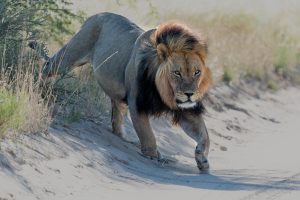
How to use this South Africa safari planning guide
Before choosing a lodge or flight, decide what kind of trip you actually want. If your priority is seeing the Big Five with as little effort as possible, private reserves around Greater Kruger are often the easiest fit. If you want more independence and lower costs, a self-drive safari in Kruger National Park can be excellent. If you are traveling with young kids, worried about malaria, or want shorter transfer times, places like Madikwe or Pilanesberg may suit you better.
That trade-off matters. The most exclusive safari areas often deliver more polished guiding, fewer vehicles at sightings, and stronger hospitality, but they come at a much higher price. National parks can be more affordable and flexible, though wildlife viewing may feel less curated and driving distances can be longer.
Choose the right safari region
Kruger and the Greater Kruger ecosystem dominate many safari itineraries for good reason. Wildlife density is strong, the safari infrastructure is well developed, and there is a wide range of properties from practical rest camps to ultra-luxury lodges. This region suits travelers who want a classic safari with serious wildlife potential and enough choice to match different budgets.
Private reserves bordering Kruger, such as Sabi Sand and Timbavati, are often where travelers go for a more premium experience. You usually get guided drives, bush walks where permitted, and experienced trackers working with guides to find animals efficiently. This can make a short trip more rewarding, especially if you only have three or four safari nights.
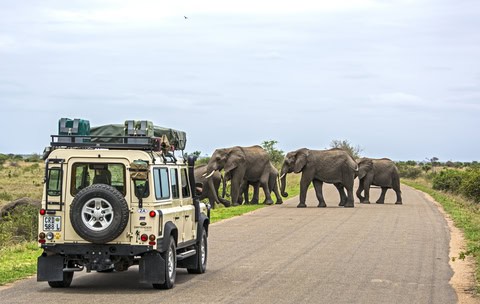
Kruger National Park itself is ideal for travelers who want freedom. Self-driving lets you move at your own pace, spend less, and shape the day around your interests. The trade-off is that you do more of the work yourself, from navigation to timing your game drives, and animal sightings are never guaranteed.
Madikwe is one of the strongest alternatives if you want a malaria-free safari without giving up the feel of a serious wildlife destination. It is popular with families, couples, and travelers combining safari with Johannesburg. Pilanesberg is even easier to access and can work well for shorter trips, though it does not always feel as remote or immersive as larger safari regions.
The Eastern Cape, including reserves near Port Elizabeth or Gqeberha, is another practical option, especially if you are adding the Garden Route. These reserves are convenient and often malaria-free, but wildlife densities and overall wilderness feel can vary a lot between properties. For some travelers, that convenience is worth it. For others, Greater Kruger still feels more iconic.
When to go and what to expect
Dry season, generally from May to September, is the easiest time for wildlife viewing in many parts of South Africa. Vegetation thins out, animals gather more predictably around water, and cooler temperatures make game drives comfortable, especially in the mornings and evenings. If your top goal is seeing as much wildlife as possible, this is usually the safest bet.
Green season, roughly from October to April, has its own appeal. The landscapes are more dramatic, birding is often excellent, and many areas feel alive after rain. You may also find better value outside peak holiday periods. The challenge is that thicker bush can make sightings harder, and summer storms or heat can affect the rhythm of your days.
If you are photographing wildlife, your ideal timing may depend on what you want. Dry season often helps with clear sightings and softer winter light. Green season can offer richer backgrounds and baby animals, but conditions are less predictable. It depends on whether you value consistency or atmosphere more.
Budget honestly before you book
One of the most common safari planning mistakes is focusing only on the lodge rate. In reality, your total cost may also include regional flights, road transfers, conservation fees, premium beverages, tips, and pre- or post-safari hotel nights. A property that looks cheaper at first can end up costing more once the extras are added.
In broad terms, self-drive safaris in Kruger are the best value. Mid-range lodges in or near major safari areas offer a more guided experience without stepping into top-tier pricing. Luxury lodges charge more because they are selling much more than a room – you are paying for guiding quality, staff ratios, food, setting, and access to a more exclusive safari rhythm.
If budget matters, shorter stays in a high-quality area can be smarter than stretching to a longer stay somewhere less rewarding. Three nights with excellent guiding often produce a better experience than five nights in a place where game drives are weaker.
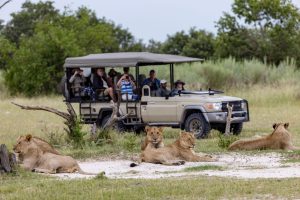
How much does a South Africa Safari Cost?
A South African safari doesn’t have a single price tag. The cost can range from a few hundred dollars to thousands. It all depends on how you want to experience the wild.
Budget Safari ($180–$300 per day)
This option gives you the core safari experience without the frills. You choose a self-drive safari, meaning you rent a car and drive yourself through public parks like Kruger National Park. You sleep in basic but comfortable rest camps with facilities for self-catering. These camps have huts or safari tents that can cost as little as R450 (around $25) per night for a campsite. For a 3-day trip, a budget self-drive could cost just under $450 per person, covering accommodation, park fees, fuel, and your own meals. It is a rewarding way to travel, especially if you enjoy independence and planning your own route.
Mid-Range Safari ($350–$600 per day)
If you prefer comfort and less planning, a mid-range safari is the sweet spot. You swap the self-catering for a lodge where all your meals are included. You also swap the self-drive for guided game drives in open 4×4 vehicles. Rangers know the best spots, so you see more wildlife with less effort. A 4-day, all-inclusive package in a tented camp costs around R18,185 (about $1,000 USD) per person. This price includes your accommodation, all meals, and daily game drives into the park.
Luxury Safari ($700–$1,500+ per day)
A luxury safari is the top tier. You stay in private game reserves like Sabi Sand, famous for incredible wildlife encounters. The cost includes a lavish suite, gourmet food, premium drinks, and private game drives twice a day.
For a 4-day Sabi Sands all-inclusive stay, you can pay from $3,300 to $13,200 per person, depending on the lodge’s exclusivity.
Pick the safari style that fits you
This is where a south africa safari planning guide becomes practical rather than inspirational. You need to know how you want to move through the trip.
A lodge-based safari is the easiest option. Meals, drives, and daily logistics are handled for you, and the pace encourages you to settle into the landscape. This suits couples, first-time safari travelers, and anyone who wants a more immersive and less stressful experience.
A self-drive safari gives you flexibility and control. You can spend more time on the road, combine different rest camps, and keep costs lower. It suits confident independent travelers, but you need patience, realistic expectations, and comfort with driving rules, distances, and road timing.
A split itinerary often works best. You might begin with a few nights in Cape Town or Johannesburg, continue to a private safari lodge, then finish with wine country, the coast, or another regional highlight. South Africa is one of the few safari destinations where that kind of combination feels easy and worthwhile.
Where to go on Safari in South Africa
How many days do you need?
For a dedicated safari stay, three nights is usually the minimum worth booking. That gives you several game drives and enough time for your luck to shift if the first outing is quiet. Two nights can work, but it often feels rushed, especially if transfers take half a day.
Four or five nights is a sweet spot for many travelers. You have time to settle in, revisit sightings, and enjoy the slower moments between drives. If you are self-driving through Kruger, you may want even longer because travel between camps and sightings unfolds more gradually.
For a broader South Africa trip, 10 to 14 days often works well. That allows space for safari plus another region without turning the trip into a checklist.
Don’t overlook logistics
South Africa is relatively easy to travel compared with many safari destinations, but safari logistics still shape the experience. Internal flights may save major time, especially if you are connecting from Cape Town to the northeast. Road transfers can be scenic and practical, though they are not always short.
Check luggage rules carefully if you are taking light aircraft to a remote lodge. Soft-sided bags are often required, and weight limits can be strict. Also confirm arrival times. Missing a lodge transfer or afternoon game drive because of a late connection is an expensive mistake.
Health planning matters too. Some safari regions are malaria areas, others are not. That does not mean one is automatically better than the other, but it should affect your decision if you are traveling with children, pregnant, or simply prefer to avoid medication planning.
What makes a safari feel worth it
The best safari is not always the one with the longest species list. It is often the one where the whole trip makes sense – where the pace is right, the guiding is strong, and you still have enough energy to absorb the place around you. Wildlife matters, but so do the people interpreting it, the landscape you wake up in, and whether your itinerary leaves room to enjoy South Africa beyond the game drive vehicle.
That is why culturally aware planning matters. A richer trip might include local food, regional history, or time in a city before or after the bush. At Damtos Adventure, that deeper approach is what makes safari travel memorable rather than transactional.
If you plan with honesty about your budget, time, and travel style, South Africa gives you one of the most rewarding safari entry points anywhere in Africa. Build the trip around the experience you want to have, not the one that looks best in a brochure, and the right safari usually becomes much easier to see.