Namibia Self Drive Guide for First-Time Travelers
The first time you leave Windhoek behind and the traffic thins into open gravel road, Namibia starts to make sense. Space becomes part of the experience. This Namibia self drive guide is for travelers who want that freedom, but also want to understand the realities behind the dream – long distances, changing road surfaces, careful fuel planning, and the kind of silence you only get in the desert.
Namibia is one of Africa’s best self-drive destinations because the country rewards independent travel. Roads connect many of the headline landscapes, wildlife viewing is possible without joining a full tour, and the pace suits travelers who prefer building their own route. At the same time, it is not a casual road trip destination in the way parts of Europe or the US can be. You need to plan with intention.
Why a Namibia self drive guide matters
A map of Namibia can be misleading. Distances do not look dramatic until you remember how much of the country is gravel, how easy it is to underestimate driving times, and how little infrastructure you may find between stops. A route that looks simple on paper can turn into a full-day drive, especially if you stop often for photography, wildlife, or just to take in the scale of the landscape.
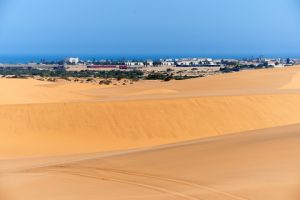
That is exactly why self-driving here feels so rewarding. You are not rushing between attractions. You are moving through huge ecological and cultural regions that each have their own rhythm. The red dunes of Sossusvlei, the Atlantic mood of Swakopmund, the skeletal coastlines of the west, and the game-rich plains of Etosha all feel distinct. Driving yourself lets you feel those transitions rather than skipping over them.
Is Namibia good for a first self-drive trip in Africa?
For many travelers, yes. Namibia is often one of the easiest introductions to self-driving in southern Africa. The road network is generally reliable, signage is decent on major routes, English is widely used, and tourism infrastructure is well established in the main travel areas.
Still, easy does not mean effortless. Wildlife can cross roads unexpectedly. Flat tires are not rare on gravel routes. Gas stations may be far apart. Cell signal is inconsistent outside towns and lodges. If you are comfortable with long days on the road, basic trip planning, and driving carefully on gravel, Namibia is a realistic and very rewarding choice. If you dislike remote travel or feel uneasy being far from services, you may prefer a guided itinerary.
Namibia has very good roads for independent drivers. The main routes use gravel roads that graders maintain regularly. Signage exists at most junctions. Fuel stations appear every 200 to 250 kilometers on major corridors like the B1 and C14.
Tour groups cost three to five times what a self drive costs. A 14-day group safari from Windhoek runs $3,500 to $6,000 per person. My friend and I spent $1,800 total including vehicle rental, fuel, food, park fees, and camping. The difference pays for better equipment and extra days on the road.
Self drive also gives you control. You stop when you want, leave a waterhole after five minutes if nothing moves or stay an extra hour if spot a group of a lion. In short, no guide decides your schedule and you can do things at your own pace.
Choosing the right vehicle
Your vehicle choice depends on your route more than your travel style. If your trip stays on the classic circuit of Windhoek, Sossusvlei, Swakopmund, and Etosha, a standard SUV can work in many cases. If you plan to go deeper into Damaraland, tackle rougher roads, or travel in the rainy season, a 4×4 gives you more margin for error and more confidence.
Many travelers assume a 4×4 is mandatory everywhere in Namibia. It is not. But higher clearance is genuinely useful, especially on corrugated gravel roads, potholes, and access tracks to camps. If your budget allows it, the extra comfort is often worth it. If it does not, you can still self-drive successfully by being realistic about where you go and how fast you travel.
Make sure your rental includes at least one spare tire, and ideally two for longer gravel-heavy routes. Check whether roadside assistance is available and what it actually covers. This is one of those details that feels boring at pickup and very important later.
You need a high-clearance 4×4. Not an all-wheel-drive crossover not a sedan or minivan.
The rental market in Namibia offers purpose-built vehicles. Look for a Toyota Hilux, Ford Ranger, or Land Cruiser with a raised suspension, all-terrain tires, and a second spare wheel. Diesel engines work better than petrol. They give you longer range and better fuel economy on gravel.
We rented from a local company in Windhoek and paid $110 per day for a Hilux with a rooftop tent, fridge, and two spare wheels. The rental included a basic tool kit, air compressor, and tire repair plugs. Check that your rental includes a full-size spare, not a space-saver. A space-saver tire on a corrugated road will fail within 100 kilometers.
Do not take a standard rental car onto the C14 or C28 roads. You will get stuck. You will also void your insurance. Rental contracts for non-4×4 vehicles explicitly prohibit gravel travel outside urban areas.
Road conditions and how to drive them
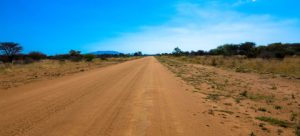
Namibia’s paved roads are usually straightforward. The bigger adjustment is gravel. Some gravel roads are well graded and easy. Others are washboarded, loose, or uneven enough to punish speed and overconfidence.
The safest rule is simple: slow down more than you think you need to. Many accidents happen because drivers treat gravel like asphalt. Sudden steering, hard braking, and fast cornering can all lead to loss of control. Give yourself generous stopping distance and avoid driving at night whenever possible.
Night driving is risky not because of traffic, but because of what you cannot predict – livestock, wildlife, poor visibility, and fatigue after a long day. In Namibia, arriving before dark is not just a comfort preference. It is smart trip design.
Best route for a first trip
For a first-time visit, the classic loop works for a reason. It gives you desert, coast, wildlife, and open-road scenery without becoming too demanding.
A strong first itinerary starts in Windhoek, then heads to Sossusvlei for the dunes and desert landscapes. From there, continue to Swakopmund for a change of atmosphere and easier driving days. Then head north or inland toward Damaraland if you want dramatic scenery and a more remote feel, before continuing to Etosha for wildlife. From Etosha, return to Windhoek.
You can do this in about 10 to 14 days, though closer to two weeks feels far more comfortable. Namibia is not a country to cram. The extra days are not wasted time. They are what allow the trip to breathe.
Fuel, food, cash, and practical planning
Fuel planning is one of the biggest habits to build early. Top up whenever you can, especially before long rural stretches. Do not wait until the tank gets low just because the next town looks close on a map.
Food is similar. In main towns, you will have shops, restaurants, and supplies. Between destinations, options can be very limited. Carry water, snacks, and a simple backup meal if you are driving a long section. In hot months, more water than you think you need is the safer choice.
Card payments are common in many tourism businesses, but cash still helps for small purchases, tips, or places with unreliable connectivity. Keep it practical rather than excessive.
How much time do you really need?
This is where many itineraries go wrong. Namibia looks spacious and cinematic online, but what often gets cut out of the picture is the driving effort between those views. If you only have seven days, you will need to choose a region rather than chase the whole country.
Ten days is enough for a satisfying first route if you keep it focused. Two weeks is better if you want a more relaxed pace and room for weather, road conditions, or a place that deserves an extra night. If you are the kind of traveler who likes sunrise game drives, slow photography stops, and unhurried lodge evenings, give Namibia more time, not less.
Best Time for a Namibia Self Drive
The dry season, roughly from May to October, is the most popular period for self-drive travel. Roads are usually easier, wildlife viewing in Etosha is strong, and temperatures are more comfortable for many travelers. This is also peak travel season, so rates can be higher and availability tighter.
The green season, generally from November to April, brings different rewards. Landscapes can be more vivid, birding improves, and some areas feel quieter. But rain can affect road conditions, especially on lesser routes, and summer heat can be intense. There is no single perfect season – only the season that best fits your priorities.
Safety and common mistakes
Namibia is often considered a safe destination for independent travelers, especially compared with many places people worry about before they arrive. The bigger risks on a self-drive trip are usually road-related rather than crime-related.
The most common mistakes are trying to cover too much ground, driving too fast on gravel, skipping vehicle checks, and underestimating how tiring long distances can be. Another common issue is treating every day as a transfer day. Namibia works better when you balance movement with stillness.
A quick walk-around of the vehicle each morning helps. Check tires, look for anything unusual, and confirm that water, fuel, and navigation are sorted before you leave. It is a small routine that can save a lot of stress.
Where self-drive travel feels most rewarding
Sossusvlei is one of those places where independence adds real value. You can rise early, chase the changing light, and move at your own pace through one of Africa’s most striking desert landscapes. Swakopmund works well as a reset point, especially after long drives, with easier logistics and access to both coast and adventure activities.
Etosha is another highlight for self-drivers because game viewing becomes personal. You choose how long to sit at a waterhole, when to move on, and which sightings deserve patience. That freedom often creates more memorable wildlife moments than a tightly structured schedule.
Damaraland is where the self-drive experience starts to feel more rugged and exploratory. It is not always the easiest region, but for many travelers it becomes the most memorable because the scenery is so raw and the roads make you feel genuinely far away.
Final thought for planning well
The best Namibia road trips are not built around speed. They are built around judgment – choosing fewer stops, starting early, respecting the roads, and letting the country unfold at its own scale. If you plan it with care, self-driving here does more than get you from place to place. It gives you access to the silence, distance, and texture that make Namibia unforgettable.
Final Checklist Before You Go
· Book your 4×4 rental three months ahead for dry season.
· Reserve NWR campsites the same day you book the vehicle.
· Download Tracks4Africa and test it before you leave Windhoek.
· Buy a paper map as backup.
· Deflate tires at the first gravel section.
· Fill your tank at every opportunity.
· Carry 5 liters of water per person per day.
· Pack a headlamp, toilet paper, and wet wipes.
· Tell someone your route and check in by satellite.
· Drive at a speed that lets you stop for wildlife.
Namibia self drive is not complicated. It is just unforgiving of shortcuts. Respect the distances. and the gravel. You will have a trip worth the planning.