Your Unforgettable 10-Day Rwanda Itinerary: A First-Timer’s Guide
Rwanda is small on the map but has a huge impact. In ten days, you can walk Kigali’s clean, hilly streets, lock eyes with wild mountain gorillas, glide across Lake Kivu and watch giraffes move through Akagera’s golden savannah. Let’s clear something up right away. Rwanda will surprise you. You’ve heard about the mountain gorillas—and yes, they are life-changing. The country has breathtaking green hills and the capital is so clean and orderly. It has a history that is so profound with a people radiating resilience and warmth. This 10-day journey is designed to show you all of it.
I visited with a mix of excitement and uncertainty. I left with a full heart and pictures that still doesn’t do the place justice. This itinerary follows my path, optimized for a first-time visitor. We’ll balance iconic must-dos with cultural immersion and restorative downtime. You’ll get actionable advice, honest costs, and personal insights to make your trip seamless.
A quick note on two big questions: Is it safe to travel to Rwanda? In my experience, overwhelmingly yes. Kigali is one of the safest capitals I’ve ever walked in, day or night. General crime is low, and the sense of order is palpable. Always exercise standard travel caution, but you can relax here more than in many destinations.
And, is Rwanda cheap to visit? No. It is not a budget backpacker haven. The gorilla permit alone is $1,500. However, it offers high value. You pay for incredible, well-managed wildlife experiences, very good guides, and a premium on cleanliness and safety. We’ll discuss budget options where they exist.
Pre-Trip Essentials: Before You Go
Best Time to Visit:
The best time to visit is during the two dry seasons: the long dry season from June to September and the short dry season from December to February. This is when trekking trails are less muddy, and wildlife viewing is easier. I went in June; the skies were clear, and the landscapes lush. The rainy seasons (March-May, October-November) offer lower prices and fewer tourists but can make treks more challenging.
Getting There & Around:
You’ll fly into Kigali International Airport (KGL). For this itinerary, you need a private driver/guide and a 4×4 vehicle. It’s not a luxury; it’s a necessity for the steep, winding rural roads. A reputable tour operator will arrange this. Trust me, after a long gorilla trek, having a dedicated driver is worth every penny.
Health: A Yellow Fever vaccination certificate is required for entry. Malaria is present in some regions (like Akagera, not on this itinerary). Consult your doctor for anti-malarial prophylaxis. Altitude in Volcanoes National Park is around 2,500m+; take it slow.
Packing Must-Haves:
- Waterproof hiking boots
- Gardening gloves (for pushing through nettles while trekking)
- Rain jacket
- Warm layers for cool mountain mornings
- Neutral-colored clothing for trekking.
- Pack a good power bank
The 10-Day Itinerary
Day 1: Arrival in Kigali – Acclimatizing to the Land of a Thousand Hills
Your adventure starts in Kigali, the Nation’s capital. You’ll likely arrive in the evening. The first impression from the airplane window is darkness punctuated by the lights of hilltop villages. The second is the smooth, modern airport.
Actionable Insight: Arrange an airport transfer through your hotel or tour operator. The process is efficient, and your driver will be waiting with a sign.
Where to Stay: For your first night, choose a place in the safe, convenient neighborhoods of Kiyovu or Nyarutarama.
o Premium: The Retreat by Heaven – A stunning boutique hotel that feels like an oasis. Their farm-to-table restaurant is exceptional.
o Mid-Range: Urban by City Blue – Modern, clean, and offers great value with excellent service.
Evening: Keep it simple. Have dinner at your hotel or take a short drive to Pili Pili for a relaxed vibe and fantastic grilled meats with panoramic city views. Go to bed early. Let your body adjust.
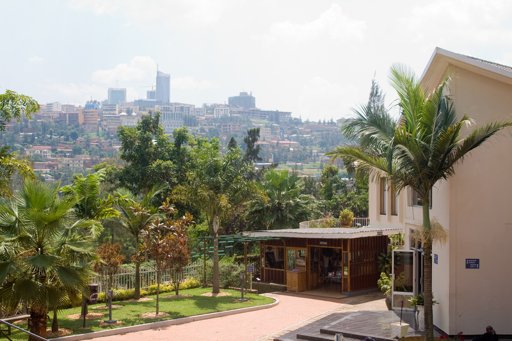
Day 2: Kigali – Confronting History and Embracing the Present
This is a very profound and essential day for understanding modern Rwanda.
Morning: Visit the Kigali Genocide Memorial. Go here first. It provides the crucial context for everything else you will see. The exhibits are harrowing but presented with dignity and a focus on education and reconciliation. Allow at least 2 hours. Silence and respect are paramount.
Lunch: Head to Question Coffee Café in the city center. Not only do they serve excellent coffee and light lunches, but they are also a social enterprise training Rwandan youth. It’s a perfect example of the country’s forward motion.
Afternoon: Take a city tour. This isn’t about old buildings; it’s about seeing a thriving African capital. You should not miss the following:
- Visit the Kimironko Market. It’s vibrant, colorful, and full of life. Your guide will help you navigate.
- See the presidential palace museum (Kandt House) for colonial and natural history.
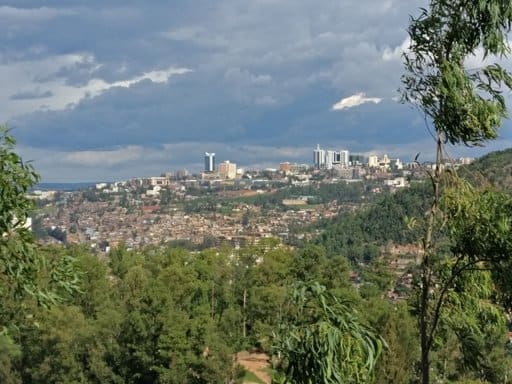
- Drive through the beautiful, rolling neighborhoods. Notice the lack of litter. The monthly community cleanup, Umuganda, is a real point of national pride.
Dinner: Experience contemporary Rwandan cuisine at Poivre Noir. The menu is creative, and the setting is lovely.
Note: Be present and ask questions today. Rwandans are open to discussing their history and future, often with a perspective that will humble you.
This day provides you with excellent cultural depth into Rwanda. This is one of the strongest and most important days in the itinerary.
Day 3: Transfer to Nyungwe Forest – Journey into the Canopy
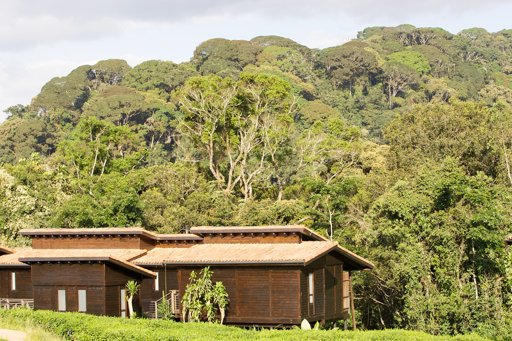
After breakfast, you begin the scenic 5-6 hour drive southwest to Nyungwe National Park through tea plantations and rural villages. The distance from Kigali to Nyungwe Forest National Park is about 218-225 km (135-140 miles)
The road is good, and the journey is part of the experience. You’ll watch Kigali’s order give way to lush rural life: tea plantations terraced on impossibly steep hills, children waving, farmers tending fields.
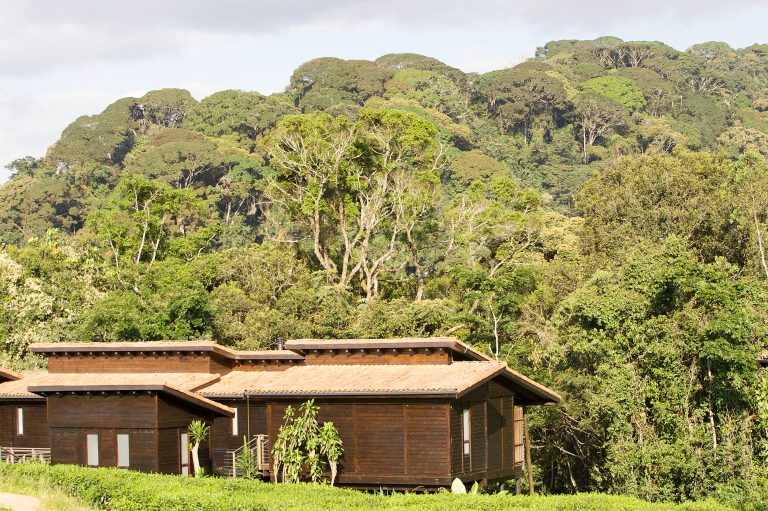
Where to Stay: Nestled on the edge of the park.
- Premium: One &Only Nyungwe House – Ultra-luxury in a stunning tea plantation setting.
- Mid-Range: Nyungwe Top View Hill Hotel – Fantastic views, comfortable rooms, and great service.
Afternoon: Settle in and enjoy the view from your lodge. If energy permits, take a short guided walk to a nearby tea plantation to learn about Rwanda’s prized tea.
Dinner & Evening: Have dinner at your lodge. The night sounds of the ancient forest are your soundtrack. Go to bed early for a big day tomorrow.
Day 4: Nyungwe Forest – Chimpanzees and the Canopy Walk
Today, you enter one of Africa’s oldest rainforests. Nyungwe Forest offers incredible wildlife encounters, primarily focused on tracking chimpanzee families and experiencing the iconic canopy walk
Morning: Chimpanzee Trekking. Your trek starts early. Tracking chimpanzees is definitely different from gorillas. They are faster and live in a less dense part of the forest. You might hike for 30 minutes or 3 hours. It feels more exciting and relaxing. The chaos is exhilarating—their calls, their rapid movement through the trees. You get a full hour with them.
Lunch: Packed lunch provided by your lodge.
Afternoon: Canopy Walk. This is a non-negotiable activity. The 70-meter-high, 160-meter-long suspension bridge hangs above a verdant valley. Walking across, you’re level with birds and towering tree ferns. The perspective is breathtaking. It’s a steady walk, not technically difficult.
Dinner: Back at your lodge. This is the best time to share stories of your day.
Note: For the chimp trek, wear sturdy shoes and be prepared for variable weather. The canopy walk can feel shaky so always go at your own pace and don’t look down if you’re nervous!
Day 5: To Lake Kivu – A Shoreside Respite
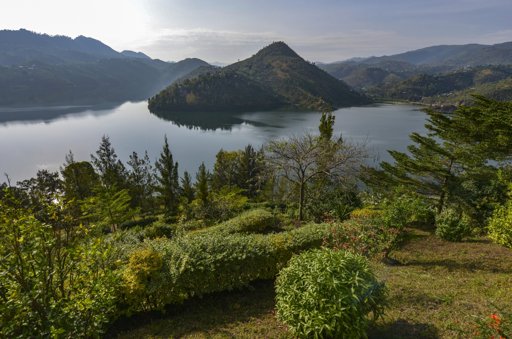
Enjoy a final morning in Nyungwe. Perhaps take a guided Colobus Monkey Trek (these striking black-and-white monkeys are prolific here) or a scenic waterfall hike. After lunch, begin the 3-hour drive north to Lake Kivu, Rwanda’s immense inland sea.
Where to Stay: In the town of Kibuye (Karongi). Its hills and islands make it the most scenic bay.
- Premium: Cleo Lake Kivu – A beautiful, design-focused hotel right on the water.
- Mid-Range: Bethanie Hotel – Excellent views, a great pool, and very comfortable rooms.
Evening: Check in and immediately feel the pace slow. Watch the sunset over the lake with a drink in hand. The tranquility is a perfect contrast to the forest.
Dinner: Enjoy fresh Isambaza (tiny fried fish from the lake) at your hotel or a nearby restaurant like Home Saint Jean.
Day 6: Lake Kivu – Relaxation and Exploration
A day to recharge before the gorilla trek. Lake Kivu is for unwinding.
Morning: Take a boat trip to Amahoro Island (“Peace Island”) or Napoleon Island (actually a large colony of fruit bats!). Swim in the lake’s safe, bilharzia-free waters. Your boat captain can arrange a fresh fish barbecue on a secluded beach.
Afternoon: You have options. Visit the Ethnographic Museum in Kibuye for cultural history. Or, simply relax. Read by the pool, get a massage, or take a walk along the shore.
Dinner: Another fantastic lakeside meal.
Note: This is a vital buffer day. Gorilla trekking is physically demanding. Use today to rest your legs and soak in the views.
Day 7: To Musanze – Gateway to the Volcanoes
After a lazy breakfast, drive 2.5 hours north to Musanze (Ruhengeri), the bustling town at the base of the Virunga volcanoes. The landscape becomes dramatic, with sharp volcanic peaks piercing the sky.
Where to Stay: In or near Musanze.
- Premium: Bisate Lodge – An eco-luxury fantasy of nest-like villas with volcano views. Unforgettable.
- Mid-Range: Five Volcanoes Boutique Hotel – Great location, cozy fireplaces, and very helpful staff.
- Budget-Friendly: Da Vinci Gorilla Lodge – Clean, comfortable, and excellent value.
Afternoon: Visit the Iby’iwacu Cultural Village. This is not a tacky tourist trap. It’s a community-run project where former poachers share their traditions—dancing, archery, kingship rituals. It’s fun, interactive, and your visit directly supports the community.
Evening: Briefing Time. Your lodge will confirm your gorilla trekking time. Pack your day pack which includes rain gear, gloves, water, snacks, camera, your permit passport. Make sure you charge your batteries.
Dinner: Eat a good meal and hydrate. Go to bed early, full of anticipation.
Day 8: The Peak Experience – Gorilla Trekking
The day you’ve been waiting for. You’ll have an early breakfast and be driven to the Volcanoes National Park headquarters by 7:00 AM.
The Process: There’s a buzz in the air. You’ll present your permit, enjoy a traditional Intore dancer performance, and be assigned to a gorilla family (based on your fitness level). Groups are max 8 visitors. You meet your guide and trackers for a briefing.
The Trek: It is unpredictable. You could hike for 1 hour or 4. Terrain is steep, muddy, and thick with vegetation. The porters (hired locally for $20) are worth it—they carry your bag and literally pull you up slopes.
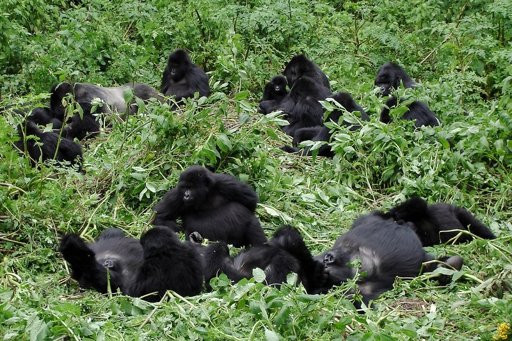
The Encounter: Suddenly, you will hear it. A branch cracks and then you hear a deep grunt. You have to leave your bags and walking sticks, approach quietly and there they are. Then you will see the silverback. He’s powerful, immense and calm with a strong stare. You must avoid direct eye contact. Behind him are mothers with babies clinging to their backs and Juveniles tumbling like puppies. You have one hour to observe them. It passes in a heartbeat. The connection is profound and primal.
Afternoon: Return to your lodge, exhilarated and tired. You’ll get your certificate. Most lodges will help clean your muddy boots. Spend the afternoon reliving the experience, sharing photos, and resting.
Note: Hire a porter. It supports the local community and makes the trek much easier. Bring cash (USD or RWF) to tip your guide, trackers, and porters ($10-$20 each is standard).
Day 9: Golden Monkeys or Dian Fossey – A Final Adventure
You have just one more morning in this magical area. Choose one last activity.
Option A: Golden Monkey Trekking. This is a lighter and more playful trek. These agile, bright-orange monkeys frolic in the bamboo forest. The trek is usually shorter and at a lower altitude.
Option B: Hike to the Dian Fossey Tomb. This is a tougher, more historical 2-3 hour hike to the former Karisoke Research Center. You see the ruins and her grave. It’s a pilgrimage for primate lovers, offering stunning valley views.
After Lunch: Begin the scenic 2.5-hour drive back to Kigali.
Final Night in Kigali: Stay at a different hotel for a new perspective. Enjoy a farewell dinner at Heaven Restaurant (connected to The Retreat). Their menu is a celebration of local ingredients. Reflect on an incredible journey.
Day 10: Departure – Carrying Rwanda with You
For your final hours, do some last-minute souvenir shopping at the Caplaki Craft Village for baskets, art, and coffee. You can also have a leisurely lunch before your airport transfer.
Note: Buy your souvenirs here. The craft village has fixed, fair prices, so no haggling is needed. Rwanda’s coffee makes a fantastic gift.
Conclusion: Rwanda A small Country with a big Impact
This 10-day Rwanda itinerary is a loop of transformation. You move from the reflective solemnity of Kigali, through the primal energy of ancient forests, to the deep peace of the lake. Finally you experience the heart-pounding, life-affirming encounter with our gorilla cousins. You leave not just with photos, but with a new understanding.
Is Rwanda worth it? Absolutely. It’s a country that demands engagement and rewards it tenfold. It is safe and very welcoming. While it may not be cheap, every dollar supports conservation and community in a visible, tangible way. The best time to visit is whenever you can make it happen. The country’s beauty and power are constant, so it doesn’t matter which time of the year.
Book that permit. Pack those boots. Rwanda is ready to change your perspective.
Ten days in Rwanda go fast, but they go deep. You start in Kigali’s clean streets and quiet cafes, you face the country’s past at the Genocide Memorial, and then you step into mist-covered volcanoes to meet one of the world’s rarest animals. From there, Lake Kivu slows you down and Akagera reminds you that Rwanda’s story is about more than gorillas.
You’ve now seen what Rwanda is best known for: mountain gorillas, thousand hills, resilience and a thoughtful approach to tourism. You’ve learned the Rwanda best time to visit, weighed whether Is Rwanda cheap to visit for your budget and checked for yourself Is it safe to travel to Rwanda.
If this itinerary speaks to you, start with the gorilla permits and anchor your dates around them. Then layer in Kigali, Lake Kivu and Akagera. Keep a little white space in the schedule so you can say yes to unplanned conversations, side-trips and invitations. That’s where some of your best Rwanda stories will come from.
When you fly home, you won’t just remember a checklist of sights. You’ll remember the cool forest air on your face as a silverback stepped out of the bamboo, the way Kigali lights glow on the hills after rain, and the quiet satisfaction of watching the sun sink behind Lake Kivu.