7 Best Safari Parks in Namibia
Namibia rewards travelers who like their safaris a little wilder, quieter, and more cinematic. If you are searching for the best safari parks in Namibia, you are not just choosing where to see animals – you are choosing what kind of landscape, rhythm, and travel style fits your trip best. Some parks are all about classic game viewing at waterholes, while others feel remote, river-fed, and deeply tied to local communities.
That difference matters. Namibia is not a one-note safari destination. It offers salt pans, desert-adapted wildlife, lush northeastern wetlands, and conservation areas where cultural context is part of the experience. For travelers who want more than a checklist of animal sightings, this is where Namibia stands apart.
Best safari parks in Namibia for different travel styles
The right park depends on what you want most. If this is your first safari in Namibia, Etosha usually makes the strongest case. If you are chasing a more remote and layered journey, the northeast parks can be even more rewarding. And if your dream is tracking desert-adapted elephants against stark, open country, the conversation shifts again.
Etosha National Park
Etosha is Namibia’s headline safari destination for a reason. Wildlife viewing here can be exceptional, especially in the dry season when animals gather around waterholes. The landscape feels dramatic and stripped back, with the vast Etosha Pan creating a sense of scale that is completely different from the greener safari scenes many travelers associate with East or Southern Africa.
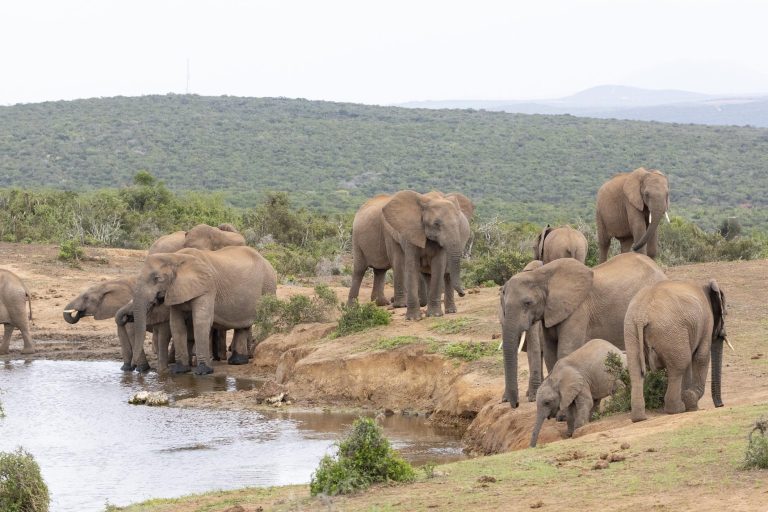
Expect strong sightings of elephant, lion, giraffe, zebra, springbok, wildebeest, and a very good chance of seeing rhino. Birding can also be excellent in the wetter months. What makes Etosha especially appealing for self-drive travelers is how accessible and organized it is. Roads are manageable, rest camps are well established, and game viewing often feels straightforward compared with denser bush environments.
The trade-off is that Etosha is no secret. In peak periods, some waterholes and camp areas feel busy. If you want a polished first-time safari with reliable wildlife viewing, that may not bother you at all. If you prefer exclusivity, private reserves on the park’s edges or more remote regions may suit you better.
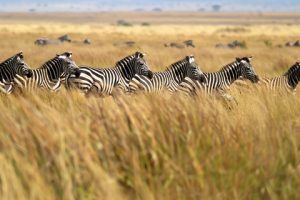
Bwabwata National Park
Bwabwata, in Namibia’s Zambezi Region, offers a very different safari mood. This is greener, more humid, and more river-influenced than the arid imagery many people carry into Namibia. It is also one of the country’s most interesting protected areas because people live within the park, which creates a closer relationship between conservation, travel, and community life.
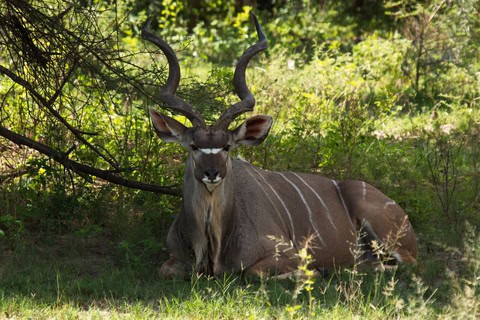
Wildlife here includes elephant, buffalo, hippo, crocodile, antelope species, and rich birdlife, with predator sightings possible but less predictable than in Etosha. The point of Bwabwata is not only ticking off the Big Five. It is the feeling of being in a living landscape where village life, waterways, and wildlife all shape the experience.
For culturally curious travelers, this park can add depth to a Namibia itinerary that might otherwise lean heavily toward desert scenery. It also works well as part of a broader northeastern circuit. Roads and logistics can be more variable than in Etosha, so this is a place where planning ahead really helps.
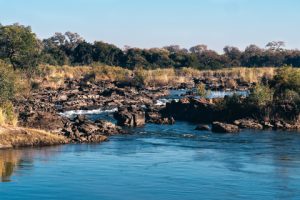
Nkasa Rupara National Park
Nkasa Rupara is one of Namibia’s most underrated safari areas. Seasonal flooding, channels, grasslands, and wetlands give it a more Botswana-like character, and in the right season it can feel wonderfully wild. This is not the park most casual travelers know first, which is part of its appeal.
Elephants, buffalo, red lechwe, sitatunga, hippos, crocodiles, and a range of bird species make this a strong option for travelers who enjoy water-based ecosystems. Predators are present too, but as with much of the Zambezi Region, patience matters. This is less about nonstop sightings and more about atmosphere, habitat diversity, and the sense that you are somewhere genuinely off the standard route.
The big consideration here is seasonality. Access can become tricky in the wet months, and conditions can change quickly. If you like structured, easy safari travel, Etosha is simpler. If you want something more remote and distinctive, Nkasa Rupara deserves serious attention.
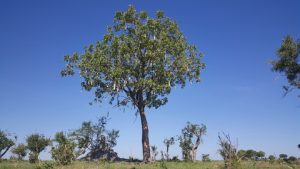
Mudumu National Park
Often paired with other parks in the Zambezi Region, Mudumu has a quieter profile but can be a smart addition for travelers building a longer safari route through northeastern Namibia. It protects riverine and woodland habitats and supports elephant, buffalo, antelope, and strong birdlife.
Mudumu is not usually the one-park answer for a first Namibia safari. It works better as part of a broader regional experience with Bwabwata and Nkasa Rupara. The value is in the combination. You get a less commercial safari setting, meaningful habitat variety, and a stronger sense of Namibia beyond its most photographed desert icons.
For repeat Africa travelers, that can be exactly the point. Not every great safari stop needs to be famous. Some places earn their place by giving you room to slow down and notice more.
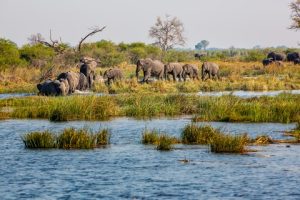
Desert-adapted wildlife and private conservation areas
When travelers ask about the best safari parks in Namibia, they are often also thinking about desert wildlife. This is where the conversation gets slightly more complex, because some of Namibia’s most memorable wildlife experiences happen outside classic national park setups.
Namib-Naukluft National Park
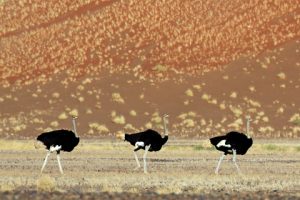
Namib-Naukluft is better known for landscapes than for conventional big-game safari viewing, but it still belongs in the broader discussion. The park delivers some of the most iconic scenery in southern Africa, from massive dunes to mountain and gravel plain environments. Wildlife exists here in subtler ways – oryx, springbok, ostrich, and smaller desert-adapted species are part of the story.
If your idea of safari includes dramatic landscapes as much as animal density, this park can be unforgettable. It is especially rewarding for photographers and travelers combining wildlife with road-trip adventure. You are not coming here for Etosha-style waterhole action. You are coming for a desert ecosystem that feels ancient, stark, and uniquely Namibian.
Skeleton Coast National Park
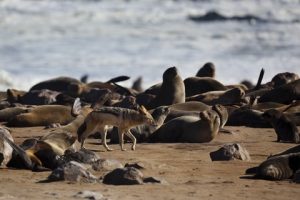
Skeleton Coast sits in the same category of exceptional but unconventional safari territory. It is more about remote wilderness, seal colonies, shifting fog, stark coastal scenery, and the eerie meeting of desert and Atlantic Ocean than classic game viewing. Still, it offers a rare perspective on how wildlife survives in extreme environments.
This is a strong choice for travelers who want expedition energy rather than a standard safari loop. Access and costs can be limiting depending on how you visit, so it is usually better suited to travelers with more time or a higher budget. The payoff is atmosphere. Few places in Africa feel this haunting and this raw.
Damaraland conservancies and private reserves
Strictly speaking, these are not all national parks, but they deserve a place in any serious Namibia safari conversation. In Damaraland and nearby conservation areas, travelers may track desert-adapted elephants and, in some regions, black rhino with experienced guides. The landscapes are spectacular – rocky, open, and beautifully severe.
This is one of the most special wildlife experiences in Namibia because it feels grounded in place. You are not just spotting animals. You are understanding how they move through an arid environment and how conservation partnerships support their survival. For many travelers, this becomes the most memorable part of the trip.
It is also where budget matters more. These experiences often come through lodges, conservancies, or guided excursions rather than simple park gate entry. If your budget allows for one high-impact splurge, this region makes a compelling case.
How to choose the right Namibia safari park
If you want the easiest and most reliable wildlife viewing, choose Etosha. If you want greener scenery, birding, and a more layered conservation story, focus on the Zambezi Region. If you are drawn to desert-adapted wildlife and striking geology, Damaraland may suit you better than a classic park-first itinerary.
Timing changes the experience too. The dry season usually favors concentrated wildlife viewing, especially in Etosha. The greener months bring dramatic landscapes, migrant birds, and a different visual richness, but sightings can be less predictable. That does not make one season better than the other – it depends on whether you prioritize photography, birding, road conditions, or classic safari density.
Self-drive travelers will generally find Etosha the most straightforward. More remote regions can be deeply rewarding, but they ask for stronger logistics, more time, and greater flexibility. That is often the dividing line between a good Namibia trip and a great one: not trying to do everything, but choosing the landscapes that match your style of travel.
Namibia does not force you into a single safari template. That is exactly why it stays with people. The country gives you room to choose between waterholes and wetlands, dunes and river systems, independent road-tripping and guided conservation experiences. Travel deeper, and the best safari park in Namibia starts to look less like a ranking and more like the one that fits the story you want to bring home.