Budget or Luxury Safari Travel? Choose Well
A sunrise game drive in the Serengeti can cost wildly different amounts depending on where you sleep, how you move between parks, and what level of comfort you expect at the end of the day. That is why the real question around budget or luxury safari travel is not which one is better in absolute terms. It is which one gives you the kind of Africa you actually want to experience.
Safari planning gets distorted by extremes. On one side, travelers imagine luxury as the only way to do Africa properly. On the other, budget travel is sometimes framed as rough, rushed, or second-rate. Neither picture is accurate. Across destinations like South Africa, Namibia, Kenya, Tanzania, Botswana, and Rwanda, both styles can be rewarding. The difference lies in pace, access, comfort, and how much logistical support you want built into the trip.
Budget or luxury safari travel: what really changes?
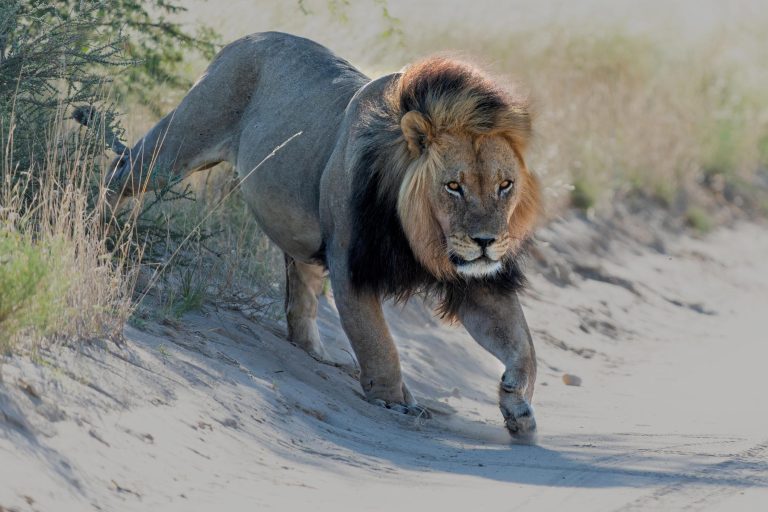
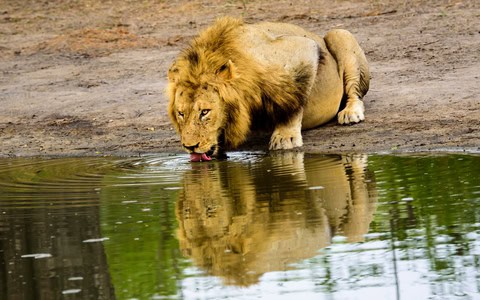
The wildlife does not become more authentic because your room has a plunge pool. At the same time, comfort does shape the rhythm of your trip. Budget or luxury safari travel changes the container around the experience – not always the core magic of seeing lions at dawn or elephants crossing a dusty road at sunset.
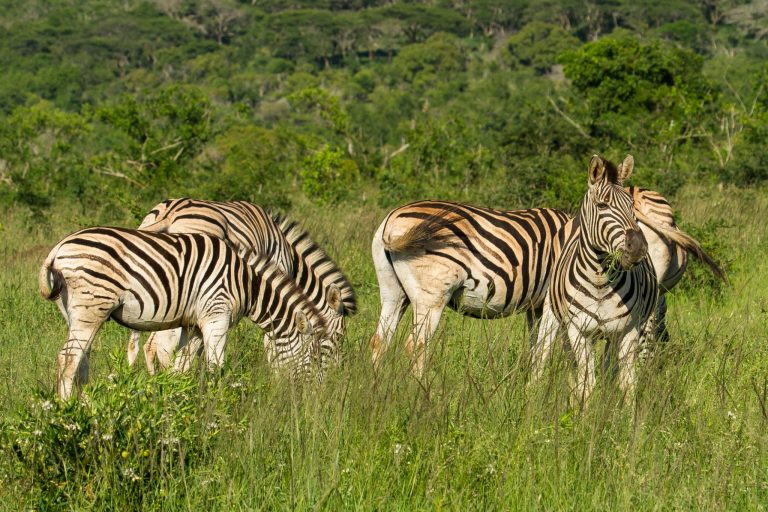
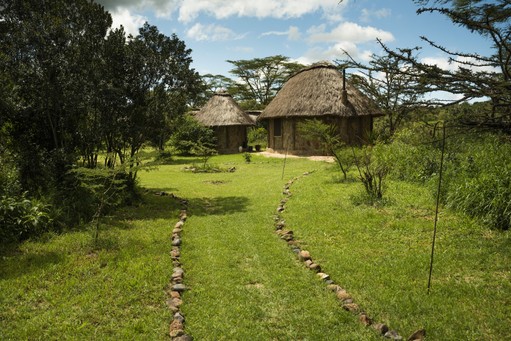
With budget safaris, you are usually paying less because you share more and simplify more. That may mean group departures, longer road transfers, public campsites or modest lodges, fewer included extras, and parks with broader tourism infrastructure. In places like Kruger, Addo, Etosha, or parts of northern Tanzania, a well-planned budget safari can still deliver serious wildlife viewing.
Luxury safaris charge for privacy, service, location, and exclusivity. You are more likely to stay in small camps with prime settings, enjoy highly trained guides, move by charter flight instead of road, and access private conservancies or concessions with stricter vehicle limits. In some destinations, especially Botswana and high-end Kenya, that changes the quality of the experience in a real way. Fewer vehicles at sightings, more personal attention, and stronger sense of space are not small upgrades.
Where budget safaris work especially well
If your goal is to see iconic wildlife without overspending, some countries are simply better suited to value-conscious travelers. South Africa is one of the strongest examples. Kruger and the private reserves around it offer a broad range of stays, from self-drive rest camps to polished lodges. You can build a very affordable trip if you are comfortable driving yourself and mixing safari days with time in Cape Town or the Garden Route.
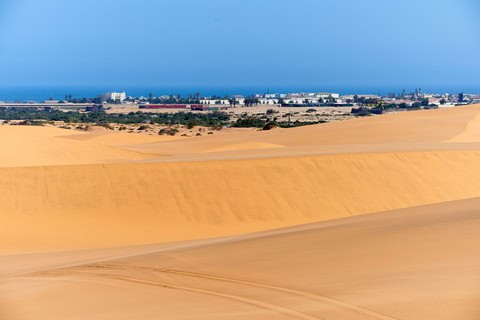
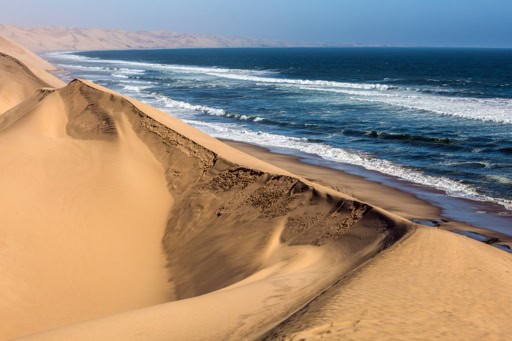
Namibia also rewards independent travelers. Etosha is excellent for self-drive safari, roads are generally manageable, and the country is ideal for those who enjoy wide-open landscapes as much as dense wildlife drama. A budget trip here can still feel expansive and memorable because the scenery does so much of the work.
Tanzania and Kenya can be done on a budget too, but usually with more compromise. Group tours help control costs, and camping safaris are a common entry point. The trade-off is pace. You may spend more time on the move, have less flexibility in your schedule, and share sightings with more vehicles in high-demand areas like the Masai Mara or Serengeti during peak migration periods.
When luxury safari travel earns its price
Luxury matters most when it improves access, not just aesthetics. That is the key distinction. A beautiful suite is nice, but what many travelers are really paying for is time, space, and a smoother trip.
In Botswana, for example, luxury often unlocks the country properly. Remote camps in the Okavango Delta or Linyanti are expensive, but they also place you in wildlife-rich areas that are hard to reach cheaply. Charter flights cut long travel days. Small camps create quieter sightings. Guiding is often exceptional. If you are traveling a long distance for a once-in-a-lifetime safari, those factors may justify the cost.
The same can be true in Rwanda for gorilla trekking extensions or in Kenya’s private conservancies, where luxury camps often provide a more intimate and less congested wildlife experience than busier public reserve areas. For honeymooners, multigenerational families, or travelers who value downtime as much as game drives, luxury can also make the whole journey feel less like a logistical project and more like a deeply restorative trip.
Comfort, culture, and the kind of trip you want
A safari is never only about animals. It is also about how you relate to the place around you. That includes camp life, food, conversations with guides, nearby communities, and whether you leave room for cultural experiences beyond the wildlife circuit.
Budget travel can sometimes encourage more grounded experiences. You may stay closer to towns, meet a wider mix of travelers, and combine safari with local markets, overland routes, or community-run activities. If your style is curious, flexible, and more interested in connection than polish, this can be a strong fit.
Luxury, however, does not have to mean insulated. The best high-end operators build in meaningful local context, employ and train local teams well, and connect guests to landscapes and communities with care. The weaker ones create a bubble where guests consume Africa as scenery. That is why price alone is not a quality marker. You want to know what the experience includes, who guides it, and whether the trip reflects the place rather than floating above it.
The hidden costs travelers often miss
Safari budgets can fall apart when travelers compare only nightly rates. A low lodge price may exclude game drives, park fees, meals, or transfers. A luxury rate may seem extreme until you realize it covers flights between camps, drinks, laundry, and activities.
Season matters just as much. Traveling in shoulder season can make a luxury safari more reachable, especially in southern Africa. The trade-off is that weather and wildlife patterns may shift. Green season can be beautiful, with fewer crowds and dramatic landscapes, but some roads become more difficult and visibility can change with thicker vegetation.
There is also the question of trip length. A shorter luxury safari can sometimes deliver more than a longer budget one if internal flights save days of transit. On the other hand, if you enjoy road travel and want to feel the geography unfold, a slower budget itinerary may be far more satisfying than hopping between camps by air.
How to choose between budget or luxury safari travel
Start with your non-negotiables. If private guiding, low-density wildlife viewing, and high comfort are central to the trip, go luxury where it counts. If your priority is simply getting out into the bush, seeing wildlife well, and keeping room in the budget for a longer journey, a budget or mid-range safari may be the smarter move.
It also helps to think in hybrids. Not every safari has to live at one end of the scale. Many travelers get the best value by mixing categories: perhaps a few nights in a simpler lodge near a national park, followed by two nights in a special camp. Or self-drive in Namibia, then splurge on one memorable property. Or pair Cape Town with a mid-range Kruger safari rather than trying to make every stop luxurious.
This is often the sweet spot for travelers who want depth without excess. It lets you spend intentionally, not just cheaply or lavishly.
Questions worth asking before you book
Ask yourself how much time you want to spend in transit, whether you are comfortable with shared vehicles, and how much heat, dust, or unpredictability you genuinely enjoy. Be honest here. A safari sounds romantic until the road transfer takes six hours and your camp shower is a bucket system you were not mentally prepared for.
Also ask what kind of memory you want to come home with. For some travelers, it is enough to have seen elephants, lions, and giraffes in the wild. For others, the ideal memory includes a beautifully designed camp, dinner under the stars, and a guide who seemed to read the landscape like a book. Both are valid. The mistake is choosing based on someone else’s version of what safari travel should look like.
At Damtos Adventure, we believe the best safari is the one that matches your curiosity, your comfort level, and your sense of adventure. If you plan with clarity, both budget and luxury can take you somewhere extraordinary.
Africa does not ask for the most expensive trip. It asks for attention, time, and the willingness to meet the journey on its own terms.