11 Hidden Gems in South Africa
Crowds gather fast at Table Mountain, Kruger, and the Cape Winelands, but some of the most memorable hidden gems in South Africa sit far from the usual first-timer circuit. These are the places that reward travelers who want more than a checklist – quieter landscapes, stronger local character, and experiences that feel earned rather than staged.
South Africa is especially good at this kind of travel because its variety runs deep. You can move from desert-like mountains to subtropical forests, from cultural heartlands to near-empty beaches, often within a single trip. The trade-off is simple: the lesser-known places usually ask for more planning, more driving, or more flexibility. For many travelers, that is exactly what makes them worth it.
Why South Africa’s hidden gems are worth your time
Well-known destinations are popular for a reason, and skipping them entirely is not always the smartest move. If it is your first trip, combining major highlights with a few quieter stops often works better than trying to avoid every famous place. But adding even two or three hidden gems in South Africa can change the rhythm of your journey.
You get more room to breathe, better chances to interact with local communities on a real level, and a stronger sense of regional identity. A fishing village on the West Coast feels nothing like a village in KwaZulu-Natal. A mountain town in the Eastern Cape tells a different story from a desert settlement in the Northern Cape. That contrast is part of what makes the country so rewarding.
1. Nieu-Bethesda
This tiny Karoo village feels almost improbable – a quiet grid of dusty streets, old stone buildings, giant skies, and a creative energy that does not try too hard to impress you. Most travelers come for the Owl House, an eccentric outsider-art site created by Helen Martins, but the village itself is the draw.
Nieu-Bethesda suits travelers who like slow mornings, long conversations, and places with a little edge to them. It is not polished, and that is part of the appeal. Roads into the area can be long, so it works best as an intentional stop on a broader Karoo route rather than a quick detour.
2. The Wild Coast
If your idea of South Africa includes dramatic cliffs, rolling green hills, and beaches that still feel genuinely remote, the Wild Coast deserves serious attention. This stretch of the Eastern Cape has beauty on a scale that can rival the country’s more famous coastal regions, but with a much wilder personality.
Places like Coffee Bay, Hole in the Wall, and Port St. Johns attract travelers who are happy to trade convenience for atmosphere. Infrastructure can be inconsistent, and travel times are often longer than they look on a map. Still, if you want hiking, cultural encounters in Xhosa heartland communities, and coastlines that feel untamed, this region delivers.
3. Wupperthal
Set in the Cederberg, Wupperthal is one of those places that lingers in your memory because it feels so distinct from standard South African itineraries. Founded as a mission station, it has a strong historical identity and a striking mountain setting that gives the whole settlement a sense of quiet isolation.
This is not a destination for nightlife or packed schedules. It is for travelers who appreciate landscapes, heritage, and the slower pace of a place that has not been heavily commercialized. Pair it with hiking or rock art exploration in the surrounding Cederberg if you want a trip that leans into nature and history together.
4. Hogsback
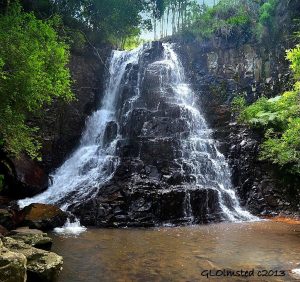
High in the Amathole Mountains, Hogsback feels greener, moodier, and more mystical than many people expect from South Africa. Forest trails, waterfalls, mountain views, and a slightly bohemian atmosphere give it a character all its own.
It is especially appealing for couples, solo travelers, and families who want a nature break without the intensity of a safari schedule. Misty weather can shift your plans, especially in cooler months, but that same unpredictability is part of the town’s charm. Hogsback is less about ticking off major sights and more about settling into the landscape.
5. De Hoop Nature Reserve
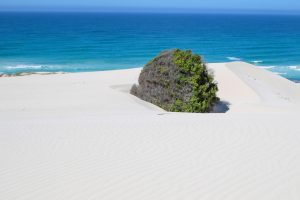
If you want coastal South Africa without the traffic and buzz of better-known routes, De Hoop is a strong contender. This reserve offers dunes, fynbos, hiking, and marine life in one of the most beautiful protected areas in the Western Cape.
Whale watching here can be exceptional in season, and the beaches are strikingly unspoiled. The reason it still feels like a hidden gem is that it requires intention – you do not just pass through by accident. For travelers who value wildlife and scenery over restaurant hopping and nightlife, that is a very fair trade.
6. Clarens
Clarens is better known among South Africans than among many international visitors, which puts it in an interesting middle ground. It is not exactly secret, but it still feels underrepresented in overseas trip planning. Framed by the Maluti foothills, the town mixes mountain scenery, art spaces, local food, and easy access to Golden Gate Highlands National Park.
This is a good stop for travelers driving between regions who want somewhere attractive and relaxed without sacrificing comfort. It can get busier on holiday weekends, so timing matters. Go midweek if you want the quieter version of the town.
7. The Northern Drakensberg villages
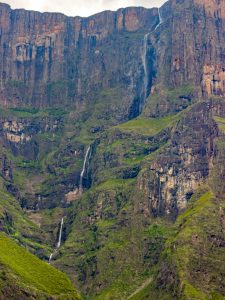
Many travelers know the Drakensberg by name but only a smaller share explore its lesser-known village bases in depth. Areas around Bergville and the Northern Drakensberg offer access to some of the country’s finest mountain scenery, with fewer crowds than the most obvious resort zones.
This region suits active travelers. Hiking, landscape photography, and cultural touring can all fit into the same stay. Weather and altitude matter here, so pack for variation and do not underestimate trail conditions. The reward is a more grounded mountain experience that feels connected to both nature and local life.
8. St. Lucia beyond the headlines
St. Lucia is not completely hidden, but many visitors treat it as a quick stop for hippos and boat cruises before moving on. Stay longer, and the area opens up. Between the wetlands, estuary life, nearby beaches, and access to iSimangaliso’s wider ecosystems, it becomes far richer than a one-night waypoint.
This is one of the best examples of a place that sits near mainstream tourism yet still functions like a hidden gem if approached differently. Slow travel changes the experience. Early mornings, local guiding, and time outside the standard boat-tour window can make all the difference.
9. McGregor
In a country full of wine destinations, McGregor stands out because it does not chase the same polished image as the larger Cape wine regions. The village has whitewashed cottages, a gentle pace, and a more intimate feel that appeals to travelers who like understated charm.
It works well for a weekend break or as part of a broader Western Cape route. You can expect food, wine, and mountain scenery, but on a scale that feels personal rather than performative. If you want luxury with lots of nightlife, look elsewhere. If you want atmosphere and breathing room, McGregor gets it right.
10. Kaapsehoop
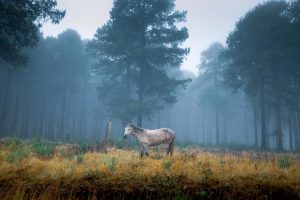
Perched above the lowveld in Mpumalanga, Kaapsehoop has the kind of mood that makes you slow down almost immediately. Wild horses, old mining history, misty streets, and sweeping views create a setting that feels both cinematic and deeply local.
It is a smart add-on for travelers heading toward Kruger who want contrast before or after safari. The village itself is small, so manage expectations – this is about mood, walking, and scenery more than a packed activity list. As a short stay, though, it has real character.
11. The West Coast fishing villages
Towns such as Paternoster get some attention now, but the wider West Coast still holds plenty of quieter corners where life moves to a different rhythm. This region is shaped by fishing culture, seasonal wildflowers, stark coastal beauty, and a food scene rooted in place rather than trend.
The best approach is to treat the area as more than a beach stop. Spend time with the landscape, look for small local seafood spots, and travel in flower season if that interests you. The atmosphere is low-key, which is exactly why many travelers fall for it.
How to plan a trip around South Africa hidden gems
The biggest mistake travelers make is squeezing too many remote stops into one itinerary. South Africa is large, and drive times can wear you down faster than expected. A better strategy is to choose one major anchor – Cape Town, Kruger, Durban, or the Garden Route – and then add one or two lesser-known destinations that fit geographically.
Budget matters too. Hidden destinations are not always cheaper. Some are affordable because they are simple and local-focused, while others cost more because remote logistics raise transport and accommodation prices. If you are self-driving, you gain flexibility, but road conditions vary, and some places are best reached in daylight.
Season also shapes the experience. Whale season transforms De Hoop. Summer can be beautiful on the Wild Coast, but it can also be busy in domestic travel periods. Mountain areas like Hogsback and the Drakensberg shift dramatically with weather. The right hidden gem depends not just on what you like, but on when you are traveling.
What ties these places together is not that they are unknown. It is that they still allow space for surprise. That is often the difference between a good trip and one you keep talking about long after you get home. Travel deeper, stay longer where it feels right, and let South Africa show you the version of itself that many itineraries miss.