How to Plan Rwanda Gorilla Trek Right
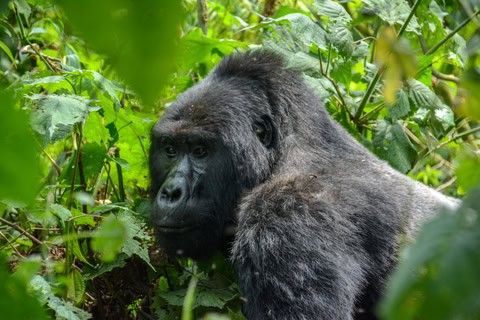
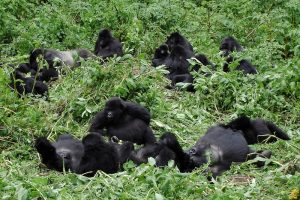
Few wildlife experiences ask more of you emotionally for just one hour than meeting mountain gorillas in Rwanda. You wake before sunrise, drive into the folds of the Virunga mountains, hike through bamboo and muddy forest, and then suddenly you are standing a respectful distance from a silverback watching your every move. If you are figuring out how to plan Rwanda gorilla trek travel well, the goal is not just getting a permit. It is building the right trip around that one remarkable hour.
How to plan Rwanda gorilla trek travel from the start
The first decision is simple but shapes everything else – are you planning the trek as a short standalone experience or as part of a broader Rwanda itinerary? Many travelers fly into Kigali, spend a night in the city, transfer to Volcanoes National Park, trek, and return. That works well if gorilla trekking is your main reason for visiting.
If you have more time, Rwanda rewards a slower pace. Gorilla trekking pairs naturally with Kigali’s memorial and cultural sites, golden monkey tracking, lake time around Lake Kivu, or a safari extension in Akagera National Park. For travelers who want both depth and efficiency, this is often the smarter route. Gorilla trekking is expensive, so stretching the journey by a few days can make the overall trip feel more balanced and worthwhile.
The second early choice is whether to plan independently or work with a Rwanda-based operator. Independent planning is absolutely possible, especially for confident travelers who are comfortable arranging permits, transfers, and lodging themselves. A local operator, though, can save time and reduce the risk of misaligned bookings. Since permits are date-specific and the trek starts early, this is one destination where logistics matter.
Book your permit before anything else
When people ask how to plan Rwanda gorilla trek adventures, the most practical answer is this: start with the permit, not the hotel. Your permit secures your trekking date in Volcanoes National Park, and everything else should follow from that.
Rwanda’s gorilla permits are among the most expensive in East Africa, which means this is not usually a casual add-on. That price can feel steep, but it also supports conservation, park management, and communities connected to the gorillas’ habitat. For many travelers, the cost is easier to justify when they understand that the experience is tightly controlled and the tourism model is built around protection rather than volume.
Book as early as you can, especially for peak travel months. If your dates are fixed, waiting for a last-minute deal is usually a poor strategy. Accommodations near the park can be adjusted. Permit availability is much harder to solve once your trip window is close.
Choose the right time to go
Rwanda gorilla trekking happens year-round, but the best time depends on what kind of trip you want. The drier periods, generally from June to September and again from December to February, are the easiest for hiking. Trails are still steep and the forest can still be wet, but conditions are often more manageable.
The rainy seasons can bring muddier paths, thicker vegetation, and a more demanding hike. That said, the rainforest is beautiful in these months, and some travelers prefer the greener landscapes and lighter demand outside peak periods. This is a classic it-depends decision. If comfort and footing matter most, aim for drier months. If you are flexible and comfortable with rougher trail conditions, shoulder or rainy periods can still work well.
One thing to keep in mind is that weather in the mountains shifts quickly. Even in drier months, expect some rain and prepare for mud. Rwanda is organized and accessible, but gorilla trekking is still a real forest hike, not a scenic stroll.
Decide where to stay near Volcanoes National Park
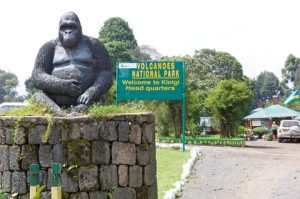
Most gorilla trekking stays are based near Musanze, the gateway area for Volcanoes National Park. Where you stay should reflect how you want the trip to feel.
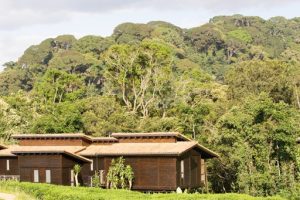
Luxury lodges offer polished service, excellent food, fireplaces, sweeping volcano views, and carefully managed transfers to park headquarters. They are ideal for honeymooners, milestone trips, or travelers who want the trek to feel like part of a high-end safari journey.
Mid-range lodges often hit the sweet spot. You still get comfort, warm hospitality, and easy access to the park without pushing the total cost of the trip even higher than it already is. Budget guesthouses exist too, and they can work well for travelers prioritizing the experience over the room. The trade-off is usually less atmosphere, more basic facilities, and sometimes longer or less polished transport coordination.
Arriving at least one day before your trek is the wise move. It gives you time to settle in, adjust to the altitude, and avoid unnecessary stress if there is traffic or a flight delay from Kigali.
Understand how the trekking day works
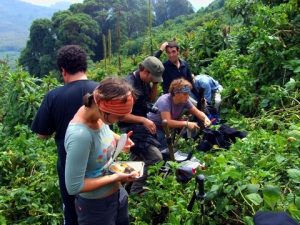
The trekking process is more structured than many first-time visitors expect. Early in the morning, you report to the park headquarters for registration, a briefing, and group allocation. Visitors are assigned to one of the habituated gorilla families. Some groups are closer and easier to reach, while others require longer, steeper hikes.
You can usually mention your fitness level or mobility concerns during briefing, and the rangers do try to match travelers accordingly. Still, this is not an exact science. Gorilla movements change daily, and even a group believed to be nearby can end up requiring a tougher walk than expected.
Once your group begins hiking, you may spend anywhere from under an hour to several hours reaching the gorillas. When you find them, the viewing time is limited to one hour. That can sound short on paper. In reality, it is intense, focused, and memorable enough that most travelers do not feel shortchanged.
Pack for forest conditions, not for photos
Packing well can make the day far more enjoyable. Waterproof hiking boots with good traction matter more than almost anything else. The trails can be slick, uneven, and steep. Long pants and long sleeves are useful for stinging plants, insects, and dense vegetation.
A light rain jacket is essential even if the forecast looks promising. Gloves are surprisingly helpful when grabbing branches or steadying yourself on muddy slopes. Bring water, a few snacks, sunscreen, and a small daypack. Camera gear should be practical, not excessive. You want to be present and mobile, not weighed down.
Hiring a porter is one of the best small decisions you can make. Porters help carry your bag and offer support on difficult sections of the trail. It is useful for you, and it also directly benefits local livelihoods around the park. This is one of those choices that makes logistical and cultural sense at the same time.
Prepare for the physical side of the trek
A Rwanda gorilla trek does not require elite fitness, but it does reward preparation. The altitude, incline, humidity, and muddy ground can make even a moderate hike feel harder than expected. If your trip is a few weeks away, focus on regular walking, stair climbing, and light hill training.
Travelers sometimes worry about whether they are fit enough. The honest answer is that many people of varying ages and abilities complete the trek successfully. What matters most is being realistic, moving at a steady pace, and using support when needed. Walking sticks are often available, and porters can make a real difference.
If you have knee issues, balance concerns, or limited stamina, do not assume the trek is out of reach. But do communicate clearly at briefing and choose accommodations that allow you to rest well before and after the hike.
Here’s a 10 day Rwanda itinerary for first time visitors
Budget beyond the permit
The permit is the headline expense, but it is not the full budget. You also need to factor in accommodations, transport from Kigali, meals, porter fees, guide or driver costs if using an operator, and tips. Depending on your travel style, the total trip can range widely.
This is where many travelers miscalculate. They focus on the permit and then try to economize on everything else, which can make the experience more rushed than it needs to be. If your budget is tight, it is often better to shorten the trip slightly than to cram permit day into a stressful schedule with weak transport planning.
For couples or small groups, private transport can be worth the extra cost because timing is so important. Solo travelers may prefer joining a small organized trip to keep costs manageable.
Respect the rules and the setting
The gorillas are the stars of the experience, but this is not a zoo encounter. You are entering a protected habitat and visiting endangered animals under strict rules. Keep your distance, follow ranger instructions, avoid flash photography, and stay calm and quiet around the gorillas.
If you are sick, especially with a cold or flu-like symptoms, you may not be allowed to trek. That can be disappointing, but it reflects the reality that gorillas are vulnerable to human illness. Responsible travel here means accepting that conservation comes first.
That mindset is part of what makes Rwanda such a compelling gorilla destination. The experience feels carefully protected rather than overexposed. For travelers who want more than a checklist trip, that matters.
A Rwanda gorilla trek is one of those journeys where careful planning pays off in a big way. Get the permit first, give yourself enough time, prepare for the hike you hope you will have and the one you might actually get, and let the country offer more than a single bucket-list moment. Travel deeper, and Rwanda gives you every reason to stay curious.