Kruger National Park Travel Guide
Sunrise in Kruger does not ease in gently. It arrives with the low call of francolins, the rustle of dry grass, and the feeling that anything could step onto the road ahead. That is exactly why a Kruger National Park travel guide matters – this is one of Africa’s great safari destinations, but the experience you have depends heavily on timing, route choice, budget, and the kind of trip you actually want.
Kruger is enormous, stretching across northeastern South Africa along the borders of Mozambique and Zimbabwe. It is not a park you “do” in a rushed day and fully understand. Some travelers come for a first safari and want easy logistics. Others are chasing photography, quieter sections of the park, or a family-friendly self-drive with a few comfort stops built in. Kruger can work for all of them, but not in the same way.
Why Kruger still stands out
There are many excellent safari destinations in Africa, yet Kruger keeps earning its reputation because it combines serious wildlife viewing with unusual flexibility. You can self-drive, stay in government rest camps, choose a private lodge bordering the park, or mix those styles into one trip. Few major safari areas offer that range.
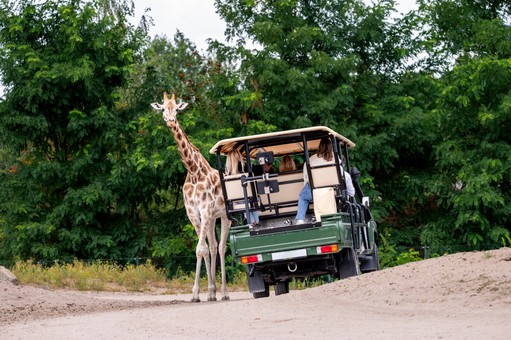
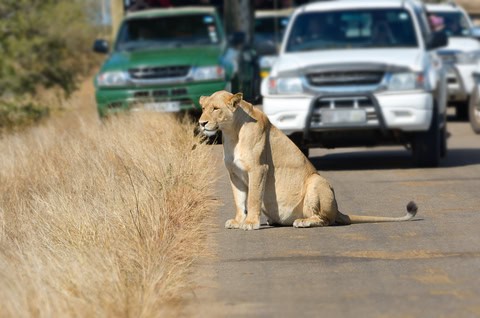
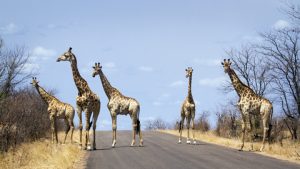
Wildlife is the obvious draw. The Big Five are here, and sightings of elephants, giraffes, zebras, antelope, and a wide variety of birds are common. Predators are never guaranteed, which is part of the appeal. A lion sighting in Kruger still feels earned. You spend time reading tracks, scanning the roadside, and learning patience rather than simply moving from one staged moment to another.
There is also a landscape story here. Southern Kruger often feels busier but productive for game viewing, while central sections open into broader plains and northern areas can feel wilder, more remote, and more rewarding for repeat visitors. That contrast matters when planning your route.
Best time to use this Kruger National Park travel guide
Kruger is open year-round, but the best time depends on what you value most.
The dry winter months from about May to September are the easiest for wildlife viewing. Bush cover is thinner, animals gather more predictably around water, and temperatures are generally pleasant, especially from June through August. Mornings can be cold on game drives, so layers matter. This is the classic safari season, and for good reason.
The green season, roughly October through March, changes the feel of the park. The landscape becomes more dramatic, birding improves, and there is a sense of life returning after the dry months. You may also see newborn animals. The trade-off is that heat, rain, and thicker vegetation can make game spotting harder. December and January can be especially busy with local holiday travel, so that period is not ideal if you want a quieter experience.
For many travelers, the shoulder months of April and September hit the sweet spot. You get strong wildlife viewing with fewer extremes in weather.
Choosing where to stay in Kruger
Where you sleep will shape your trip almost as much as where you drive.
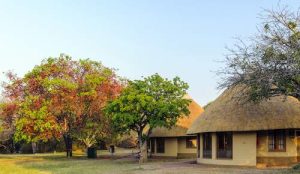
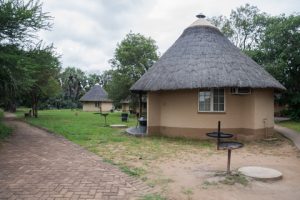
Inside the park, SANParks rest camps are the practical choice for independent travelers. They range from relatively simple bungalows and campsites to more comfortable units with kitchens and basic services. Staying inside the park lets you start early and stay out later within gate hours, which is a real advantage for sightings. Popular camps such as Skukuza, Lower Sabie, Satara, and Berg-en-Dal are often booked well ahead, especially in peak season.
Each camp has its own character. Lower Sabie is a favorite for river views and productive nearby roads. Satara is well known for predator country in central Kruger. Skukuza is the largest and most developed, which some travelers appreciate for convenience and others find less atmospheric.
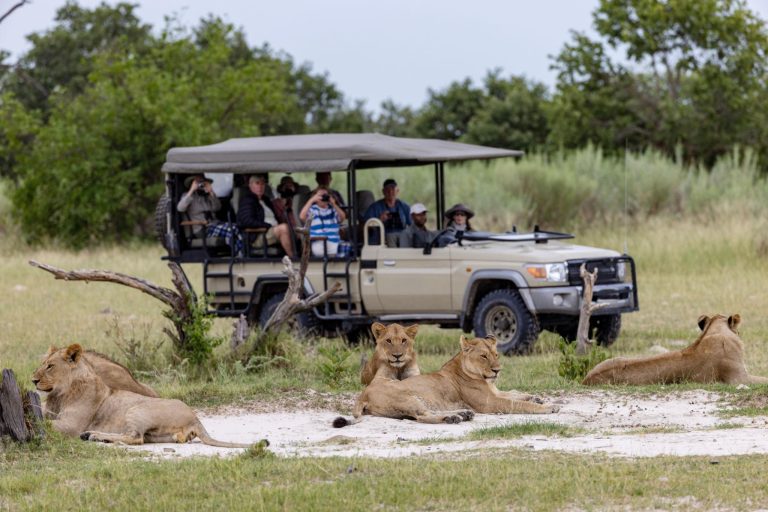
Private lodges in reserves bordering Kruger offer a different experience. They are more expensive, but the value can be real if you want guided drives, off-road tracking in some areas, and a more all-inclusive stay. This option suits first-time safari travelers who prefer fewer moving parts and a more curated experience.
A third option is staying just outside Kruger in towns near gates like Hazyview, Malelane, or Phalaborwa. That can lower costs and broaden dining choices, but you lose some early-morning advantage and may spend more time on transfer logistics.
Self-drive or guided safari?
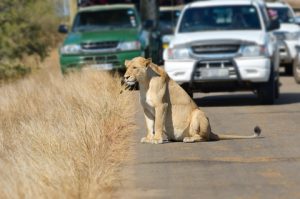
Kruger is one of the best self-drive safari parks in Africa. Roads are generally well maintained, signage is clear, and the freedom to move at your own pace is a major part of the experience. For independent travelers, couples, families, and anyone who enjoys slow travel, self-driving can be incredibly rewarding.
That said, guided game drives still have a place. Experienced guides read animal behavior, hear updates on radio networks in some contexts, and notice details many first-time visitors miss. If your budget allows, a hybrid approach works well. Self-drive most days, then add a sunrise or sunset guided drive from camp to deepen the experience.
The real question is not which option is better. It is what kind of traveler you are. If you love flexibility and do not mind long quiet stretches between sightings, self-drive is ideal. If you want interpretation, less responsibility, and a higher chance of understanding what you are seeing, guided drives are worth it.
Planning your route through the park
A common mistake is trying to cover too much. Kruger looks manageable on a map until you realize how long drives can take once animal sightings, speed limits, and stopovers are factored in.
For a first trip of three to five nights, focus on one region rather than the entire park. Southern Kruger, entering through gates like Malelane, Crocodile Bridge, or Paul Kruger, is often the easiest starting point. Wildlife density is strong, camp infrastructure is convenient, and travel times are simpler for first-timers.
With five to seven nights, you can combine south and central Kruger for a better sense of contrast. A route that includes two or three camps works better than changing every night. Too much movement turns a safari into a packing exercise.
If you have been before, northern Kruger deserves attention. It is less crowded, culturally and geographically distinct, and often missed by travelers who only chase Big Five checklists. The pace feels different there.
Practical tips that make a big difference
Book early if you are traveling in high season. Kruger rewards spontaneity once you are inside the park, but accommodation planning is not the place to wing it.
Gate times matter. They change seasonally, and arriving late can create unnecessary stress. If you are staying outside the park, leave earlier than you think you need to.
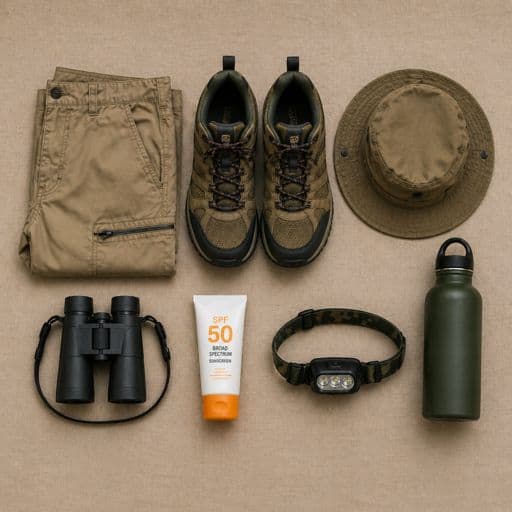
Bring cashless payment options, your reservation details, sun protection, binoculars, and more water than you expect to drink. On a self-drive, snacks help too, especially on longer loops.
Drive slowly. Not just because of park rules, but because the best sightings are often easy to miss. A leopard draped over a branch or a resting lion in winter grass can disappear if you rush.
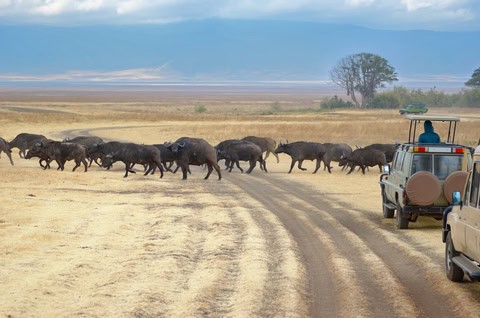
Do not measure your day only by the Big Five. Kruger rewards attention. A herd of elephants crossing at close range, a martial eagle on a snag, or a hyena den with cubs can become the moment you remember most.
Budget expectations
Kruger can be done at different price points, which is part of its appeal. A self-drive trip using SANParks camps can be relatively affordable by safari standards, especially if you prepare some meals yourself. Add conservation fees, fuel, car rental, and occasional guided activities, and the cost stays manageable for many mid-range travelers.
Private lodges raise the price significantly, but they also reduce planning friction and often include meals and drives. For some travelers, especially those on a shorter trip to South Africa, paying more for efficiency and comfort makes sense.
If budget matters most, avoid peak holiday periods, stay longer in fewer camps, and do not overcomplicate your route. Simplicity usually saves money.
Safety, etiquette, and cultural awareness
Kruger is wild space, not a zoo with African scenery. Stay in your vehicle except where it is clearly permitted. Respect speed limits, keep noise down at sightings, and never crowd animals for a photo.
It is also worth remembering that a Kruger trip sits within a wider South African journey. The communities around the park are part of the story, not just the access points. If your itinerary allows, spend time in the surrounding region, ask questions, and treat the park as one piece of a larger cultural landscape. That approach fits the way Damtos Adventure sees travel – deeper, more connected, and more rewarding.
How many days do you really need?
Three nights is the minimum to feel the rhythm of Kruger. You can still have a great trip, but it will feel introductory.
Four to six nights is where the park opens up. You have time for slow mornings, changing weather, mixed habitats, and those unpredictable wildlife patterns that make safari travel so absorbing. More than that is even better if you enjoy photography, birding, or simply the pleasure of not needing every drive to produce a headline sighting.
Kruger does not ask you to see everything. It asks you to pay attention, to let the road unfold, and to accept that the best safari days are rarely the most scripted. Plan well, keep your expectations wide enough for surprise, and the park will meet you on its own terms.