African Safari Adventures Worth Planning Right
The first real safari decision is not which lodge has the best plunge pool. It is what kind of wildlife experience you actually want. African safari adventures can mean sunrise game drives in South Africa, tracking gorillas in Rwanda, sleeping under desert skies in Namibia, or combining Big Five viewing with cultural visits that give the trip more depth than a checklist of animals.
That is why safari planning gets more interesting the moment you stop treating Africa as one destination. The right trip depends on your budget, travel style, pace, and how close you want to be to both wildlife and local culture. For some travelers, the dream is a polished first safari with easy logistics. For others, it is a more remote journey where long drives, smaller camps, and fewer crowds are part of the reward.
What African safari adventures really include
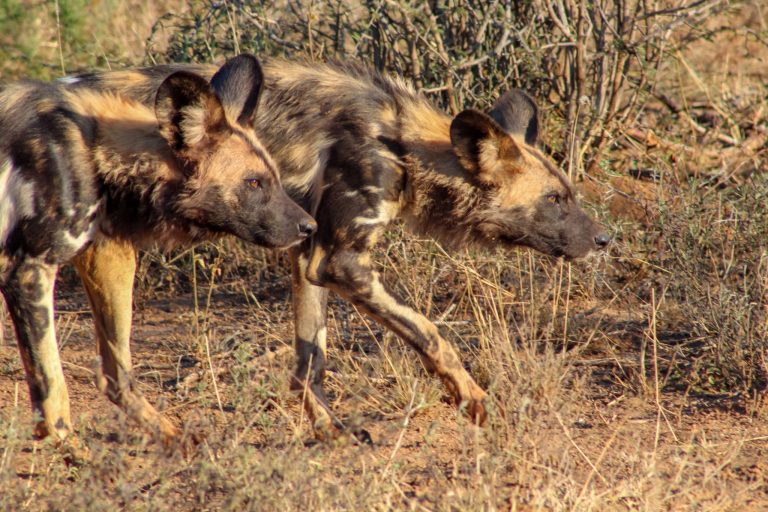
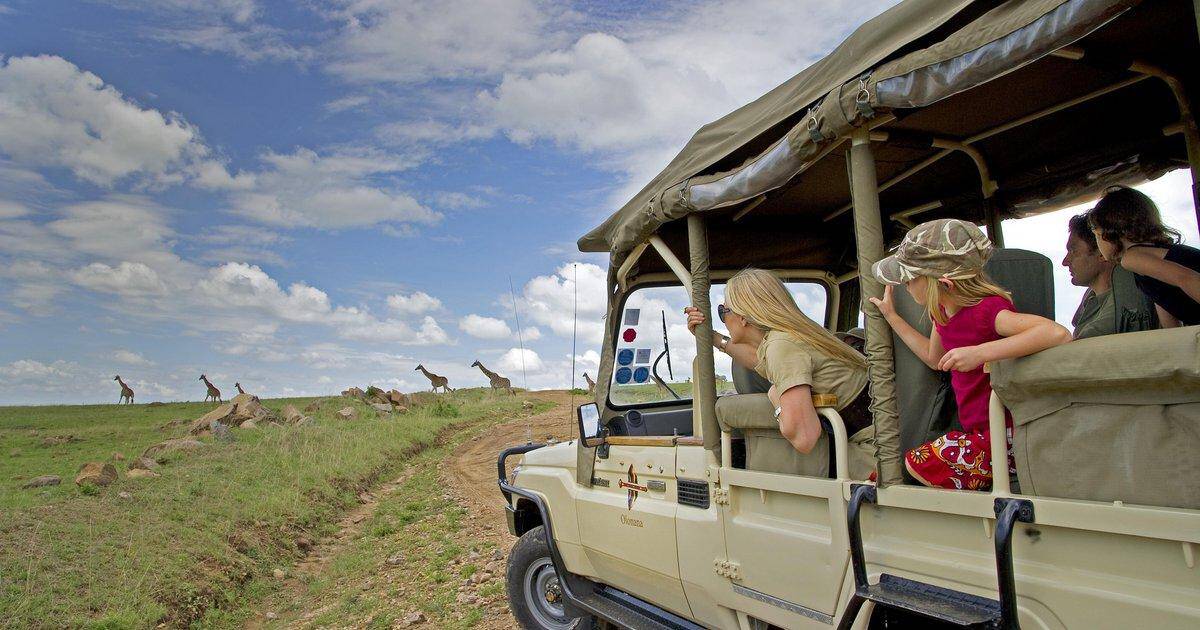
A safari is often reduced to lions, elephants, and open vehicles, but that only tells part of the story. Across Africa, safari travel can include classic game drives, walking safaris, boat safaris, birding trips, desert-adapted wildlife viewing, chimpanzee or gorilla trekking, and conservation-focused stays in private reserves.
The country you choose shapes the entire feel of the trip. South Africa is often the easiest entry point for first-time safari travelers because infrastructure is strong, self-drive options exist, and families or couples can mix safari with Cape Town, the Winelands, or the Garden Route. Namibia feels very different – bigger landscapes, longer distances, fewer people, and a sense of space that makes every sighting feel earned. Rwanda offers a more specialized adventure built around primates, forests, and high-end, well-managed tourism with strong conservation impact.
This is also where expectations matter. If your goal is nonstop predator action, one destination may suit you better than another. If you care just as much about scenery, cultural connection, and the overall rhythm of the journey, a country with more varied experiences may be the smarter choice.
How to choose the right African safari adventure
The best safari is not the most expensive one. It is the one that matches the way you travel.
For first-time safari travelers
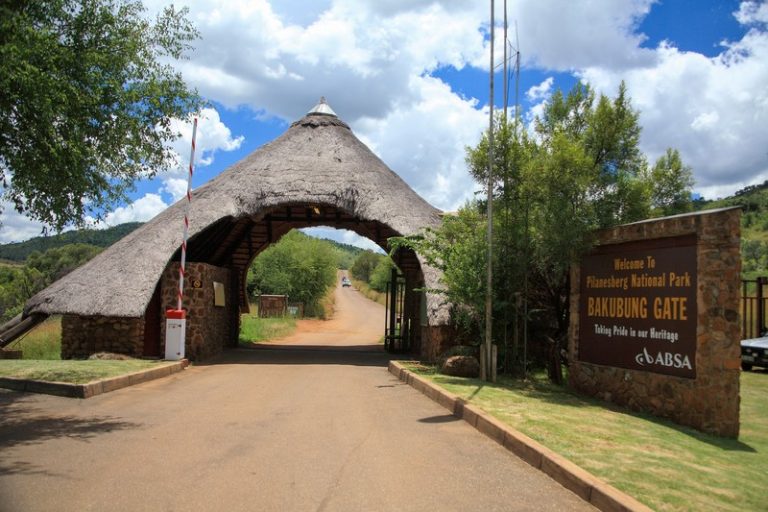
If this is your first safari, look for destinations with reliable roads, a wide range of accommodations, and strong guiding standards. South Africa stands out here. You can go fully guided in a private reserve, stay in a national park, or build a broader trip around wildlife, cities, food, and coastal scenery. It is one of the best places to learn what kind of safari traveler you are.
A first safari also benefits from fewer moving parts. Flying between multiple camps sounds exciting, but it can become tiring if your trip is short. One well-chosen reserve or park, with three to four nights on safari, often feels more satisfying than racing across a map.
For travelers who want wild landscapes
Namibia offers a different version of safari travel. You are not always chasing dense wildlife concentrations in the same way you might in more game-heavy regions, but the payoff is the setting itself. Etosha gives excellent wildlife viewing, while the wider country adds dunes, desert roads, ancient rock art, and a remote atmosphere that appeals to independent travelers and photographers.
This style of safari works best if you enjoy the journey as much as the sightings. Distances can be long. Drives are part of the experience. The reward is a trip that feels cinematic and deeply grounded in place.
For travelers focused on primates and conservation
Rwanda is one of Africa’s most powerful wildlife experiences, but it is not a classic Big Five safari destination in the way many people first imagine. Gorilla trekking in Volcanoes National Park is physically demanding, highly regulated, and unforgettable. It is ideal for travelers who want a short, high-impact trip with a strong conservation story and a more intimate encounter with wildlife.
If you pair Rwanda with a traditional safari elsewhere, you get range. If you go only for gorillas, the trip still delivers something rare – not just spectacle, but a genuine sense of presence in the forest.
Timing matters more than most travelers expect
Safari timing is rarely as simple as good season versus bad season. Wildlife movement, rainfall, road conditions, crowd levels, and pricing all shift by region.
Dry seasons are usually favored for classic game viewing because animals gather around water sources and vegetation is thinner, making sightings easier. That said, green season travel can be excellent for birding, dramatic scenery, lower rates, and fewer vehicles around sightings. If you are a photographer, shoulder season often gives you a better balance than peak months.
Families traveling on school breaks may need to prioritize availability over ideal conditions. Couples planning a special trip may prefer shoulder season if it means better value on high-end camps. Solo travelers often do well with small-group departures or destinations where logistics are easier to combine.
The right question is not only when is the best time to go, but best for what. Predator sightings, newborn animals, migration patterns, hiking conditions, and overall cost do not peak at the same time.
Safari style shapes the whole trip
Not all African safari adventures feel the same on the ground, even when the wildlife is excellent.
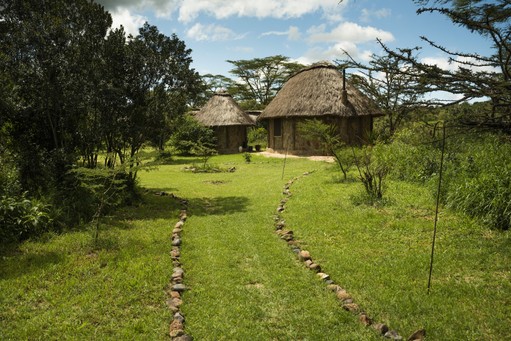
A lodge-based safari is the easiest choice for travelers who want comfort, strong guiding, and smooth logistics. This works especially well for couples, families, and first-timers. Mobile camps or more rustic properties create a stronger sense of immersion, but they usually ask for more flexibility.
Private reserves can offer fewer crowds, off-road tracking, and night drives, while national parks often deliver bigger landscapes and lower price points. Neither is automatically better. It depends on whether you value exclusivity and close wildlife access more than scale and affordability.
Then there is transport. Fly-in safaris save time and feel more polished, but they can raise the cost quickly. Road-based safaris are usually better for travelers who want to see more of the country and keep spending under control. In places like Namibia and South Africa, a self-drive element may even improve the experience if you are confident behind the wheel.
Do not ignore the cultural side of safari travel
Some of the most memorable African safari adventures are the ones that go beyond game drives. Wildlife may be the reason you book, but local culture often becomes the part you keep thinking about after you return.
That can mean visiting a local community project, learning about regional food traditions, adding time in Cape Town or Kigali, or choosing guides who explain not just animal behavior but the wider human story of the landscape. Conservation in Africa is tied to people, livelihoods, land use, and history. A safari feels richer when those connections are part of the journey.
This is where thoughtful planning matters. Cultural experiences should feel respectful and grounded, not staged for easy photos. Brands like Damtos Adventure resonate with travelers because they treat safari destinations as lived places, not just wildlife backdrops.
Budget honestly, then spend where it counts
Safari travel can be expensive, but smart planning makes a major difference. The biggest cost drivers are usually park fees, internal flights, guide quality, season, and accommodation level. Luxury is easy to find, but value exists too, especially if you travel in shoulder season, stay longer in one area, or mix one premium property with more moderate accommodations.
It is usually worth paying more for good guiding and the right location. A cheaper camp in the wrong area may save money on paper but deliver a weaker experience overall. On the other hand, not every traveler needs five-star lodging. If you care more about wildlife than thread count, there is room to prioritize differently.
If you are planning a once-in-a-lifetime trip, build in enough time to settle into the rhythm of safari. Two nights can feel rushed. Three to four nights in one area often changes the trip from exciting to immersive.
A better way to plan African safari adventures
Start with your travel personality, not a generic top ten list. Ask yourself whether you want classic Big Five viewing, remote scenery, primates, family-friendly logistics, or a mix of safari and city experiences. From there, choose the country that fits that goal rather than forcing every dream into one trip.
The best itineraries are rarely the busiest. They leave room for weather shifts, unplanned sightings, long lunches between drives, and the simple pleasure of being in the landscape. Safari travel rewards patience. It also rewards curiosity.
If you plan African safari adventures with that mindset, the trip becomes bigger than wildlife alone. You are not just collecting sightings. You are traveling deeper into places where landscape, conservation, and culture still shape the experience in a meaningful way.
Choose the safari that fits who you are as a traveler now, and you will come home with something far better than a standard bucket-list story.