Your perfect 14-Day South Africa Itinerary for First-Time Visitors
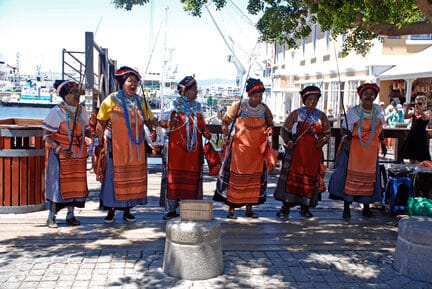
Discover the best places to visit in south Africa — from Cape Town’s beaches to safari adventures
Introduction
This 14-day itinerary covers South Africa’s best highlights — from Cape Town’s iconic Table Mountain to the wildlife-packed Kruger National Park. Whether you love beaches, wine, or safari adventures, this guide helps you plan your perfect trip.
South Africa has it all: cosmopolitan cities, crowned by Cape Town. Stunning coastal scenery along the Garden Route. And some of the world’s best wildlife safaris, with Kruger National Park and others home to lions, elephants, rhinos and so much more. Tackling all of South Africa’s highlights in just two weeks is doable, with a spot of planning. You can choose to stick to the south coast, or explore Cape Town and the Garden Route before heading north to Kruger National Park. Whatever you have planned, you can safely skip Johannesburg – there’s not much to see here and your time is better spent elsewhere.
If you’ve ever dreamed of South Africa — hearing a lion’s roar at dawn, tasting Stellenbosch wine at sunset, or driving the Garden Route’s ocean roads — this two-week itinerary turns that dream into reality.”
I visited South Africa during the early summer, which is in December over there. If you’re planning your first trip to South Africa, you’ve picked a fantastic destination. With dramatic landscapes, warm people, wildlife of a lifetime and miles of coastline, you’ll experience so many “wow” moments. South Africa is a big country and you cannot see everything in just two weeks. Turning your dream into a plan can feel overwhelming. Where do you even start?
I’ll walk you through where to stay, where to eat, when to go, and most importantly what to do each day. I’ve put together this 2-week itinerary for the best places to see in South Africa
You’ll learn:
- The best time to visit South Africa (yes, the phrase matters).
- How to make the most of South Africa’s beaches.
- A realistic sense of “Is South Africa cheap to visit?” — yes and no, depending on your choices.
- And the big question: “How much is safari in South Africa?” — I’ve got data for you.
Let’s dive in and get you ready for a memorable adventure to the Rainbow country.
· “Read our Namibia adventure next.”
· “Check our guide to the Top 12 Places to Visit in South Africa.
When to Go & Budget Basics
Best time to visit South Africa
The best time of year to visit South Africa depends on which activities you want to do. Picking when you travel makes a big difference. Overall, the shoulder seasons (the time between peak and off-peak travel seasons) — March to May and September to November — win for weather, wildlife, and fewer crowds.
• If you’re visiting safari: The dry winter months (May-October) are best because animals gather around waterholes and are easier to spot.
• For Beach time and the Cape: November to March brings warm weather and summer beach vibes.
• Do you want to compromise?: aim for early May or late September so you get both good wildlife and pleasant beach/hill country weather.
Is South Africa cheap to visit?
Short answer: You can make it very affordable — or splurge big — depending on choices.
• You can make your accommodation, food and local travel can be moderate.
• When you have to add private safari lodges, flights between regions, premium experiences – the cost rises.
• For example: For safari in South Africa the cost ranges widely: budget self-drive options around US $150-300 per person per day. For mid-range it’s between US $300-600. Luxury options start from about US $700+ So yes — you can visit on a modest budget, but if you go for luxury it’s not exactly “cheap”.
How much is safari in South Africa?
You’ll have to budget based on your needs.
• Mid-range lodges are around US $450-600 per person per night; luxury camps US $800-1,200+ per person per night.
• With basic accommodation and self-drive options is roughly US $100-200 per day with basic accommodation and self-drive. So when you include flights, park fees, guide/game drives, you’re looking at a significant amount to budget for.
Day 1-3: Cape Town – Arrival & City Highlights
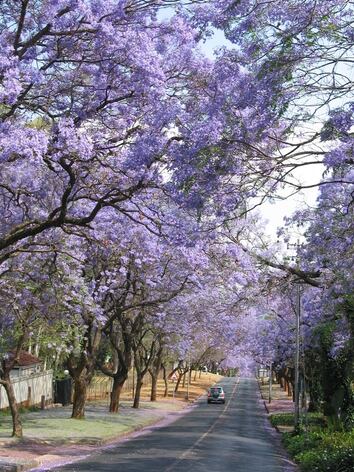
Cape Town is consistently ranked as one of the world’s best cities to visit. For a start, the Table Mountain is truly impressive; it just takes your breath away. The flat-topped silhouette is more than just a backdrop; it’s the soul of the city. It offers an incredible mix of natural wonders, gourmet food, and history. You get urban sophistication and raw nature, often in the same view.
Highlights:
- Visit Table Mountain, V&A Waterfront, and Robben Island.
- Enjoy a sunset walk at Camps Bay Beach.
- Take a drive to Cape Point, the dramatic tip of the Cape Peninsula.
Day 1: Arrival & Settling In
Cape Town, framed by mountains and sea, immediately captures your heart. Spend your first three days here, using a rental car for flexibility.
Cape Town, framed by mountains and sea, immediately captures your heart.”
- Arrive at Cape Town International Airport, Check into your accommodation. Good area: City Bowl or Sea Point — central, easy access.
- Afternoon: Take a gentle walk up or ride the cable car to Table Mountain for panoramic views.
- Dinner: Head to the V&A Waterfront for seafood (for example: The Codfather or Willoughby’s) and settle into South Africa’s rhythm.
Day 2: Cape Town City & Peninsula
- Morning: Visit the historic neighborhood of Bo‑Kaap — colourful houses, rich culture.
- Midday: Drive or join tour along the Atlantic coast: Clifton, Camps Bay. The term South African beaches’ truly applies here. Clifton Fourth and Camps Bay are among the top ones.
- Lunch: Beachside café in Camps Bay.
- Afternoon: Continue via scenic Chapman’s Peak Drive to Cape Point and the tip of the peninsula.
- Evening: Return and try dinner in the “Kloof Street” area – great food scene.
- This is a full-day, can’t-miss road trip.
Day 3: Winelands or Robben Island & Sunset Beach Walk
- Option A (Relaxed): Morning ferry to Robben Island (historical tour). Afternoon: stroll the Sea Point Promenade.
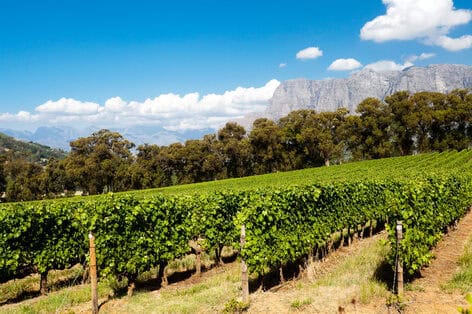
- Option B (Wine and hills): Head out to the Stellenbosch Winelands or Franschhoek for cellar door visits.
- Late afternoon: Visit a beach for sunset – Bloubergstrand offers iconic views of Table Mountain at dusk.
- Dinner: Gourmet dinner in Stellenbosch or back in Cape Town depending on your energy.
Insider Tip: Book Robben Island tickets in advance — they often sell out during summer.
Where to stay in Cape Town:
- Mid-range: “Taj Cape Town” or “Cape Cadogan”.
- Upscale: “One & Only Cape Town”.
- Budget: Boutique guesthouse in Gardens or Sea Point.
Day 4-5: Cape Town Beaches & Winelands
You have to drive from Cape Town through Hermanus to Mossel Bay, then on to Knysna and Plettenberg Bay. This is one of the world’s most scenic coastal drives.
Day 4: Beach Day and Wine Country
- Morning: Pick a true beach day. For my recommendation, I’ll take Clifton Fourth Beach (white sand, sheltered cove) or Muizenberg Beach if you’d prefer slightly warmer water and surfing vibe.
- Lunch: Picnic or beach-side fish and chips.
- Afternoon: Drive to Stellenbosch Winelands. Do a cellar tour and wine tasting. Don’t rush — the ambience is part of the charm.
- Dinner: In Franschhoek or return to Cape Town for dinner.
Day 5: Garden Route Kick-Off or Continue Coastal Relaxation
- You have the option to begin the scenic Garden Route drive (if you plan that route) or stay longer in the Cape region.
- If you’re staying, spend morning exploring the Kirstenbosch Botanical Gardens, afternoon in Kalk Bay harbour, gallery shopping.
- Evening: Sundowners in Camps Bay.
Day 6-7: Drive & Overnight Road-Trip To Hermanus or Garden Route
Explore rolling vineyards, art galleries, and charming colonial towns.
Highlights:
- Wine tastings at Spier, Delaire Graff, or Tokara.
- Explore Franschhoek’s Wine Tram for a fun hop-on-hop-off experience.
Day 6: Route to Hermanus or Start Garden Route
- Early morning departure from Cape Town.
- If you stay in the Western Cape: head to Hermanus (approx. 1.5–2h) — famed for whale watching (July-Nov) plus beautiful coastline.
- Check into a guest-house with sea view. Lunch at seaside. Afternoon walk along the cliff path for panoramic views.
- Dinner: Seafood at a harbour restaurant.
- Drive Time: “Cape Town to Hermanus: about 2 hours via N2 highway.”
Day 7: Coastline & Moving On
- Morning: Whale-watching (seasonal) or beach walk at Grotto Beach.
- Midday: Drive via the coast toward the Garden Route region (or if staying west, continue to lagoon-side towns).
- Evening: Stay in a seaside village (e.g., Mossel Bay or Plettenberg Bay) with relaxed dinner by the water.
Day 8-10: Garden Route Scenic Drive & Adventure
Day 8: Garden Route Highlights
- Drive the Garden Route: forested hills, ocean views, wildlife.
- Stop at Knysna for lagoon views. Visit feather-bed boat cruise or just relax by the water.
- Check into a comfortable lodge or boutique hotel.
Day 9: Nature & Beaches
- Morning: Hike in Tsitsikamma National Park canopy walk, suspension bridges over forested gorge.
- Afternoon: Beach time at one of the local beaches — wind down.
- Dinner: Try local game meat or seafood.
Day 10: Travel to Safari Gateway
- Drive toward Johannesburg region (if flying) or directly toward your safari lodge region.
- Overnight near the gate of your safari reserve (for example near Kruger National Park). Prepare for game-drive mode: early starts, casual but smart dress (layered neutral colours).
Day 11-14: Safari Adventure (Kruger Region)
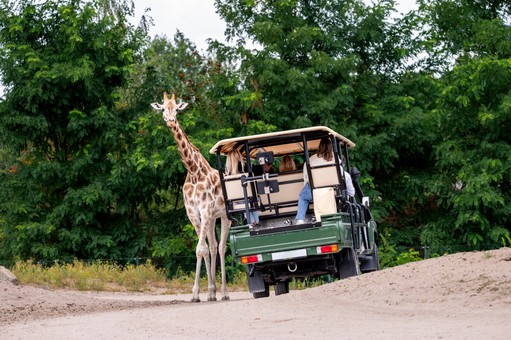
Fly to Nelspruit or Hoedspruit, and then drive to Kruger National Park for the ultimate wildlife adventure.
Highlights:
- Morning and evening game drives to spot the Big Five.
- Visit private reserves like Sabi Sands or Timbavati for a more exclusive experience.
Day 11: Enter the Bush
- Early morning: Enter Kruger or private reserve. Check-in to your safari lodge.
- Afternoon: Intro game drive. The dry season means animals concentrate around waterholes, making sightings easier.
- Dinner at lodge. Relax, stargaze, and enjoy the bush sounds.
Day 12: Full Safari Day
- Dawn: Game drive. Mid-day: rest, pool, lunch at lodge.
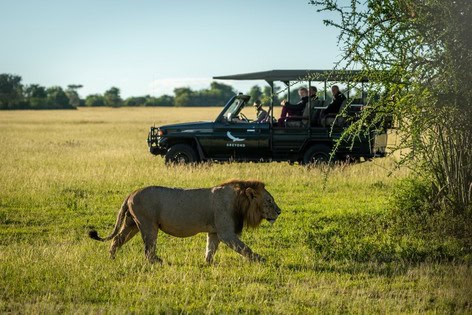
- Late-afternoon: More game drive. Spot lions, elephants, buffalo, rhino, leopard — the “Big Five”.
- Dinner around campfire or in the lodge’s main building. Ask your guide about spotting behaviour, best times, and hide-spots.
Day 13: Optional Activities & Final Drives
- Morning: Optional walking safari or night drive (depending on lodge).
- Afternoon: Free time, perhaps spa or relaxing. Evening: Final game drive.
- Budget note recap: As mentioned, many safaris cost US$300-600 or more per person per day.
Day 14: Wrap-up & Departure
- Early morning short drive or just relax at lodge.
- Mid-day: Checkout, transfer to airport (Johannesburg or directly Cape Town if you flew in/out).
- Depart home, full of memories.
Where to stay for safari:
- Mid-range: Comfortable lodge inside or adjacent to Kruger (eg. Sabi Sand or Skukuza area).
- Luxury: Private reserve with all-inclusive packages (higher cost).
Remember to book well ahead, especially during peak season (June-October).
Practical Tips
Packing & Travel Tips
- Book internal flights early — Cape Town to safari gateway can be busy.
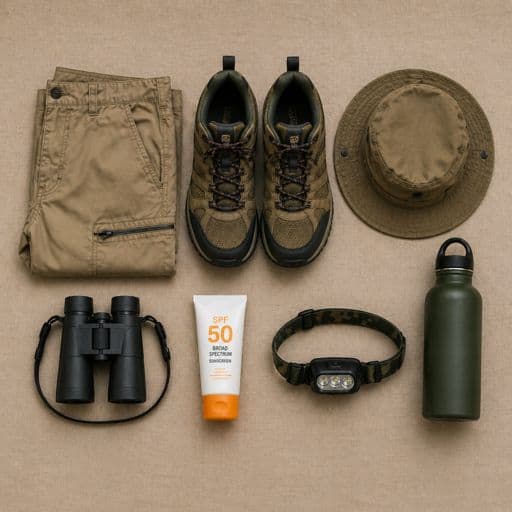
- Travel-light: carry layers (early mornings can be chilly in the bush).
- Choose neutral-coloured clothing for safari drives (reds/oranges attract insects).
- Respect wildlife: no feeding, keep safe distances.
- Use reputable transport and tour companies for safety in big cities.
- Stay flexible: rain can change beach days, game drives may shift due to weather.
Food & Dining
- In Cape Town: try seafood (line fish, calamari), South-African wines (try Chenin Blanc, Pinotage).
- In countryside: try “braai” (barbecue) culture, local specialties like bobotie, biltong.
- Safari lodges: meals often included — check extras (drinks, tips).
Budgeting
- Rental car: for Garden Route and Cape, budgeting a mid-sized car helps.
- Meals: Casual lunches are reasonably priced, though fine dining can add up.
- Safari: Significant line item — mid-range US$300-600+ per person per night. Note you’ll ask yourself “How much is safari in South Africa?” frequently!
- Beaches: Most beaches are free to visit, but expect to pay extra for sun beds or umbrella rentals.
Safety & Health
- Use common-sense safety: secure valuables, especially in urban areas.
- Travel insurance strongly recommended (for wildlife/remote areas).
- If you go to malaria zones (some parts of Kruger region), check prophylaxis (your itinerary above avoids high-risk areas but always verify).
- Stay updated on local advice.
Conclusion
You’ve now got a fully-fleshed 14-day itinerary that gives you city life, coastline, wine country, scenic drives and a real safari adventure in South Africa. You’ll experience the beauty of South Africa beaches, savour the wildlife of the bush, and answer the big questions: Is South Africa cheap to visit? (yes if you plan wisely) and How much is safari in South Africa? (Significant, but worth it).
Pick your best time to visit South Africa, align your travel window with your priorities (beach, safari or both) and book your stays and internal transport early. Travel with curiosity and respect — you’ll come back changed.
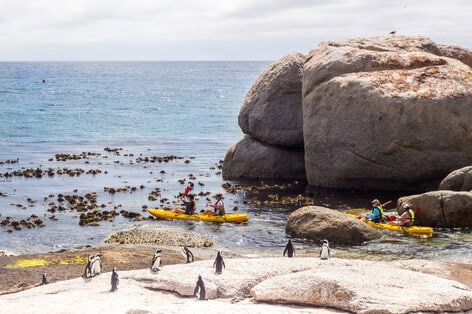
When you land back home, you’ll have stories of penguins at Boulders Beach, the roar of a lion at dawn, glasses of Stellenbosch wine, and the sheer joy of standing on the terrace of Camps Bay as the sun sets. South Africa rewards the traveller who plans well and remains open-hearted. If South Africa is on your bucket list, start planning now — the adventure of a lifetime awaits. Start planning your South Africa journey today.