Angkor Wat Visitor Guide for First-Time Trips
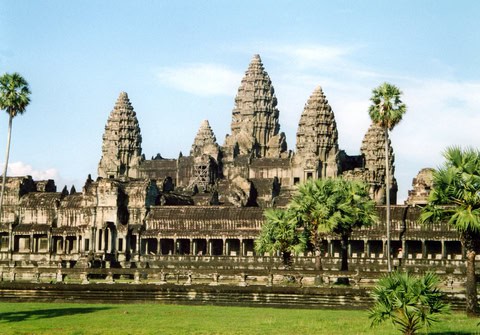
Sunrise at Angkor Wat looks magical in photos, but the real experience starts earlier than most travelers expect – in the dark, with a tuk-tuk ride, a growing crowd, and a quick decision about where to stand. That is exactly why an Angkor Wat visitor guide matters. The temple complex is one of Southeast Asia’s great cultural landmarks, but it rewards travelers who arrive with a plan, not just a camera.
Angkor Wat is part of the wider Angkor Archaeological Park near Siem Reap, Cambodia. While many people say they are “going to Angkor Wat,” they usually mean the broader temple zone, which includes major sites like Bayon, Ta Prohm, Banteay Srei, and dozens of lesser-known ruins scattered through forest and open countryside. If you want a trip that feels deeper than a rushed photo stop, give yourself enough time to understand what you are seeing and how to pace the experience.
Angkor Wat visitor guide: what to know before you go
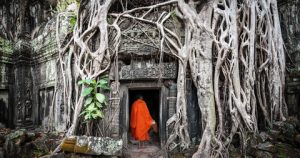
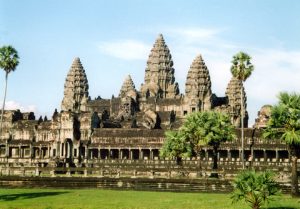
The first thing to understand is scale. This is not a single monument visit that takes an hour or two. Angkor Archaeological Park covers a vast area, and the temples vary widely in style, condition, and atmosphere. Angkor Wat itself is the grand icon, but some travelers end up connecting more strongly with the carved faces of Bayon or the tree-wrapped stones of Ta Prohm.
Most visitors stay in Siem Reap and enter the park by tuk-tuk, private car, bicycle, or guided tour. For first-time travelers, a tuk-tuk driver for the day often strikes the best balance between flexibility, cost, and ease. It gives you room to move at your own pace without dealing with heat, navigation, and long cycling distances. A guided visit, though, adds context that can completely change the experience, especially if you care about Khmer history, Hindu and Buddhist symbolism, or the stories carved into the bas-reliefs.
The entry pass is required for the temple park, and you should buy it through official channels. Pass options typically cover one day, three days, or seven days. If your schedule allows it, three days is the sweet spot for most travelers. One day can feel rushed, especially in the heat. Seven days makes sense for history lovers, photographers, or travelers who want to explore outlying temples without pressure.
Best time to visit Angkor Wat
Cambodia is warm year-round, but weather changes the feel of your visit. The dry season, generally from November to early April, is the most popular time. Skies are clearer, paths are easier to manage, and temple-hopping is simpler. The trade-off is bigger crowds, especially around sunrise at Angkor Wat and at major temples by mid-morning.
The shoulder and green months can be rewarding if you do not mind occasional rain. From roughly May to October, the landscape becomes lusher, moats and reservoirs look fuller, and there are often fewer visitors. The downside is humidity, muddy paths in some areas, and less predictable weather. For many travelers, a visit in the early part of the wet season offers a good middle ground.
Time of day matters just as much as time of year. Sunrise is famous for a reason, but it is not always peaceful. If you want that classic reflection shot, expect company. Some travelers actually prefer visiting Angkor Wat later in the morning or in the afternoon, when the biggest sunrise crowds have moved on. Light changes the mood of the stone, and the temple can feel more spacious once the early rush fades.
How many days do you need at Angkor Wat?
If you only have one day, focus on the highlights and accept that it will be selective rather than complete. A common route is Angkor Wat at sunrise, Bayon in the morning, Ta Prohm before lunch, then one or two quieter stops depending on your energy.
With two or three days, the experience becomes much more rewarding. You can split the major temples across separate mornings, avoid trying to absorb too much at once, and add places such as Preah Khan, Banteay Kdei, or Banteay Srei. That extra time also helps if you care about details – the carvings, shifting architecture, and the way the Khmer Empire expressed religion and power through temple design.
Families with younger children or travelers sensitive to heat should lean toward multiple shorter days. The walking is manageable, but the combination of sun, stairs, uneven ground, and early starts can wear people down quickly.
Choosing the right temple route
Most drivers and guides will mention the small circuit and the grand circuit. These are standard sightseeing loops through the park. The small circuit covers the best-known temples and is ideal for a first day. The grand circuit reaches farther and includes sites that often feel less crowded and more spacious.
That said, standard routes are only helpful up to a point. If everyone leaves at the same time and follows the same order, popular temples become crowded very quickly. A good driver or local guide can reverse the route or adjust the timing to help you avoid bus groups. That flexibility is often worth more than trying to copy a fixed itinerary from a social post.
For travelers who want a deeper cultural visit, consider balancing famous temples with lesser-visited ones. Angkor Wat gives you the iconic moment. Bayon gives you human expression. Ta Prohm gives you atmosphere. A temple like Preah Khan, by contrast, can offer more space to slow down and actually take in the setting.
What to wear and bring
This part is simple but important. Angkor is an active cultural and religious site, and respectful dress matters. Shoulders and knees should be covered, especially if you want access to sacred areas and upper levels where rules are more strictly enforced. Lightweight, breathable clothing works best, but avoid treating the temples like a beach destination.
Good walking shoes or sturdy sandals make a real difference. The ground can be uneven, steps are often steep, and surfaces can become slippery in wet weather. Bring water, sunscreen, insect repellent, and a hat. If you are visiting for sunrise, having a light layer for the early morning ride can be useful, even though the day warms quickly.
Photography is part of the experience for many travelers, but this is not just a backdrop. Be mindful around monks, worshippers, and places where people are actively praying. A little awareness goes a long way.
Practical tips for a better visit
A few choices can shape your day more than people expect. Start early, but not always with sunrise. If sunrise is not a must for you, leaving slightly later can mean a more comfortable start and fewer crowds at other temples. Eat a solid breakfast, because temple fatigue is real by late morning.
Hire a guide if context matters to you. Without explanation, many visitors see beautiful ruins and little more. With the right guide, walls become stories, galleries become political statements, and temple orientation starts to make sense. This is where culturally grounded travel becomes far more rewarding than simply checking off famous sites.
Pace yourself in the heat. Midday is the hardest stretch, and trying to power through every major site without a break usually backfires. Return to Siem Reap for lunch if your schedule allows, or plan a shaded stop between temples. Slow travel often leads to a better temple day than an ambitious one.
Cash is still useful in Siem Reap and around the park for small purchases, tips, and tuk-tuk arrangements, though many hotels and larger businesses accept cards. Keep your temple pass accessible, since you may need to show it at multiple checkpoints.
Is Angkor Wat worth it for travelers who want more than landmarks?
Yes – especially if you approach it as more than a bucket-list stop. Angkor works on two levels. The first is visual: monumental towers, intricate carvings, roots folding over stone, light moving across ancient corridors. The second is cultural: the scale of Khmer civilization, the shift between Hindu and Buddhist traditions, and the living connection between the temples and modern Cambodia.
That deeper layer is where many meaningful trips begin. If your travel style leans toward culture, history, and place-based experiences, Angkor is not just impressive. It is one of those destinations that rewards curiosity. You do not need to be an archaeologist to feel that, but you do need to give it more attention than a rushed half-day visit.
For readers who travel with the same mindset we value at Damtos Adventure – travel deeper, discover more – Angkor is at its best when you leave room for context, conversation, and a little quiet between the headline moments.
Siem Reap also deserves time beyond the temples. The town offers markets, food, museums, and opportunities to connect your temple visit to present-day Cambodian life. That balance matters. Ancient sites tell one part of the story. The people, culture, and rhythms of modern Cambodia tell the rest.
If this is your first visit, keep your plan realistic, respect the setting, and let the place unfold slowly. Angkor Wat is famous for a reason, but what stays with most travelers is not only the sunrise silhouette. It is the feeling of walking through a landscape where history still feels close enough to touch.