Best Time for Gorilla Trekking in Africa
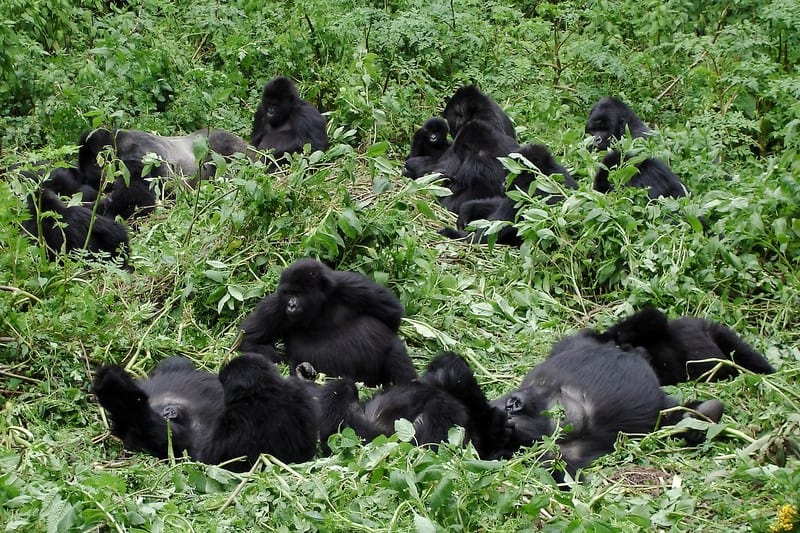
A mountain gorilla encounter lasts about an hour, but the timing of your trip shapes everything around it – the trail under your boots, the light in the forest, the ease of getting permits, and how much you will pay. If you are trying to decide the best time for gorilla trekking, the short answer is the dry seasons. The more useful answer is that the right time depends on whether you care most about easier hiking, lower costs, better photography, or a quieter experience.
Gorilla trekking is one of East Africa’s most powerful wildlife experiences, and it is available year-round in Uganda and Rwanda. Volcanoes National Park in Rwanda and Bwindi Impenetrable National Park and Mgahinga Gorilla National Park in Uganda all sit in high-altitude rainforest, where weather can shift quickly. Even in the drier months, rain is still possible. That is why planning around seasons matters, but so does keeping your expectations flexible.
Best time for gorilla trekking: the short answer
For most travelers, the best time for gorilla trekking is during the dry seasons from June to September and from December to February. These months usually bring less rain, muddier trails are less of a problem, and forest conditions are often more comfortable for hiking.
This is also when travel demand is highest. Permits can sell out far in advance, especially in Rwanda and for the more accessible sectors of Bwindi. If you are planning a once-in-a-lifetime trip and want the smoothest overall conditions, this is the safest window. If you are more flexible and would rather trade convenience for value, the rainy seasons deserve a serious look.
Understanding the trekking seasons
Dry season: June to September
This is the peak trekking period across both Uganda and Rwanda. Trails are usually firmer, vegetation can be slightly less dense, and transfers between parks are easier because roads are in better condition. If you are combining gorilla trekking with a classic safari in places like Queen Elizabeth National Park or Akagera, this season often works well across the board.
The trade-off is competition for permits and accommodations. Premium lodges fill quickly, and the atmosphere can feel busier, especially around popular starting points. It is not crowded in the sense of mass tourism, but the best options disappear early.
Short dry season: December to February
This is another strong window, especially for travelers planning holiday trips or winter escapes from the US. Conditions can be very good for trekking, and the forests are still beautifully green. Wildlife travel across East Africa is also popular during these months, so it can be a smart time if you want to build a broader itinerary.
That said, Christmas and New Year dates often bring high demand and premium prices. If your schedule falls within the holiday period, book earlier than you think you need to.
Rainy seasons: March to May and October to November
These are the wettest periods, with March to May usually being the heaviest. Trails can become steep, slippery, and physically tougher, especially in Bwindi. For some travelers, that is enough reason to avoid these months.
But rainy season travel is not automatically a bad idea. The forests are lush, the landscapes are dramatic, and there can be more room to find permits and good lodging deals. If you do not mind getting muddy and you travel with the right gear, the shoulder and wet months can still deliver an extraordinary trek.
Rwanda vs Uganda: does timing matter differently?
The best time for gorilla trekking is broadly similar in Rwanda and Uganda, but the experience can feel different depending on where you go.
In Rwanda, trekking in Volcanoes National Park is often seen as more accessible because travel times from Kigali are shorter and the park infrastructure is very established. If you have limited time and want a more streamlined trip, dry season travel in Rwanda makes a lot of sense. It reduces the chance of slow road transfers and helps keep the overall journey efficient.
In Uganda, especially in Bwindi, the terrain can be more demanding and the trekking sectors vary quite a bit. Dry months can make a bigger difference here because muddy, steep trails become more challenging when rain sets in. On the other hand, Uganda often appeals to travelers who want a longer, more layered journey with cultural stops, safari add-ons, and a wider range of lodge budgets.
So while the calendar is similar, the impact of season can feel stronger in Uganda if you are concerned about trek difficulty.
What matters most when choosing your month
If you want the easiest hiking conditions
Aim for June through September, with January and February also strong choices. You are still in rainforest country, so expect damp air and the possibility of rain, but the ground is often more manageable.
This matters more than many first-time trekkers expect. Gorilla trekking is not mountaineering, but it can involve uneven terrain, thick vegetation, and uphill sections at altitude. Drier conditions make the whole day feel more comfortable.
If you want better value
Look at the rainy seasons, especially April, May, October, and November. Permit availability is often better, and some lodges offer lower seasonal rates. This can make a meaningful difference if you are balancing trekking with a broader East Africa trip.
The lower price comes with a clear trade-off. Hikes can be messier, delays are more likely, and good waterproof gear becomes essential rather than optional.
If photography matters to you
Dry season usually makes things easier, especially for movement and gear management. Trails are less muddy, and you have a better chance of keeping cameras and bags dry. Still, gorilla trekking takes place under thick canopy, so lighting is rarely simple at any time of year.
Rainy months can produce richer greens and a more atmospheric forest, which some travelers love. If you are comfortable shooting in low light and protecting your equipment, the wet season can actually be very rewarding.
If you want fewer crowds
Consider the shoulder months around October, November, or early March. You may not get the cleanest weather, but you can enjoy a calmer planning process and, in some cases, a more relaxed feel around lodges and trekking logistics.
This is often the sweet spot for travelers who value experience over perfect conditions.
Month-by-month feel at a glance
June, July, August, and September are the classic high season months – popular, practical, and usually the easiest for trekking. December, January, and February are also favorable, with strong conditions and high demand around the holidays.
March starts to get wetter, and April and May are typically the muddiest months. These can work for budget-conscious travelers, but you need realistic expectations. October and November bring another wet period, though often less intense than the long rains, and they can be worthwhile if you want a quieter trip.
Booking timing matters almost as much as travel timing
Even if you know the best time for gorilla trekking, that does not guarantee permit availability. In peak months, permits can sell out months ahead, especially for specific dates, preferred parks, or higher-end lodge combinations.
As a rule, book as early as possible if you are traveling in June through September or over the year-end holiday season. Waiting for last-minute deals is rarely a good strategy with gorilla trekking because permits are limited and non-negotiable. Your lodge choice, transfer plans, and even international flights often depend on locking that permit first.
What to pack if your timing is not ideal
A wet trail does not ruin a gorilla trek. Poor preparation does. Waterproof hiking boots, gaiters, a light rain jacket, gloves for grabbing vegetation, and a dry bag for electronics make a big difference. Quick-dry clothing is better than heavy layers, and a walking stick is more useful than many travelers expect.
If you are visiting in the rainy season, packing well gives you much more flexibility. It turns a potentially frustrating day into an adventurous one, which is the better mindset to bring into these forests anyway.
So when should you go?
If you want the most reliable conditions, choose June to September. If you want a good balance of weather and availability, January and February are excellent. If your priority is saving money or avoiding peak demand, the wetter months can still be worth it.
The truth is that gorilla trekking is not a beach vacation where one month is clearly perfect and another is not worth considering. It is a forest experience shaped by weather, terrain, and chance. Go when your budget, schedule, and energy align best, prepare for mud even in the dry season, and give the experience room to surprise you. That is often when Africa feels most unforgettable.