South Africa vs Namibia for Travelers
If your shortlist has come down to South Africa vs Namibia, you are already choosing between two of Southern Africa’s most rewarding trips. But they deliver very different kinds of adventure. One gives you layered cities, wine country, wildlife, coastline, and easy logistics in a single itinerary. The other strips travel back to wide horizons, desert silence, dramatic self-drives, and a feeling that you have reached somewhere gloriously remote.
That difference matters more than people expect. These are not interchangeable safari destinations with different flags. They suit different travel styles, budgets, energy levels, and expectations. If you are trying to decide where to go, the smartest question is not which country is better. It is which country fits the trip you actually want.
South Africa vs Namibia: the core difference
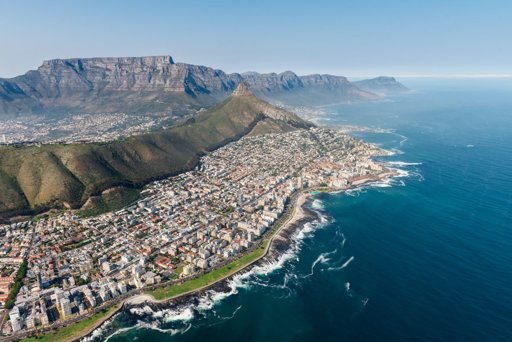
South Africa is the more varied and accessible choice for travelers who want a mix of experiences without feeling cut off. You can combine Cape Town, the Winelands, the Garden Route, Kruger-area safaris, beaches, food, and history in one country. It works especially well for first-time visitors to Africa, couples, families, and travelers who want comfort without losing the sense of adventure.
Namibia is more specialized, and that is exactly its appeal. It is about scale, solitude, and striking natural landscapes. Think Sossusvlei’s red dunes, Etosha’s stark wildlife viewing, the Skeleton Coast, and long roads through almost cinematic emptiness. It suits travelers who love road trips, photography, open space, and destinations that feel less polished and more elemental.
If South Africa feels layered and dynamic, Namibia feels pure and expansive.
Which country is better for safari?
For many travelers, this is the deciding factor in South Africa vs Namibia. The answer depends on what kind of wildlife experience you want.
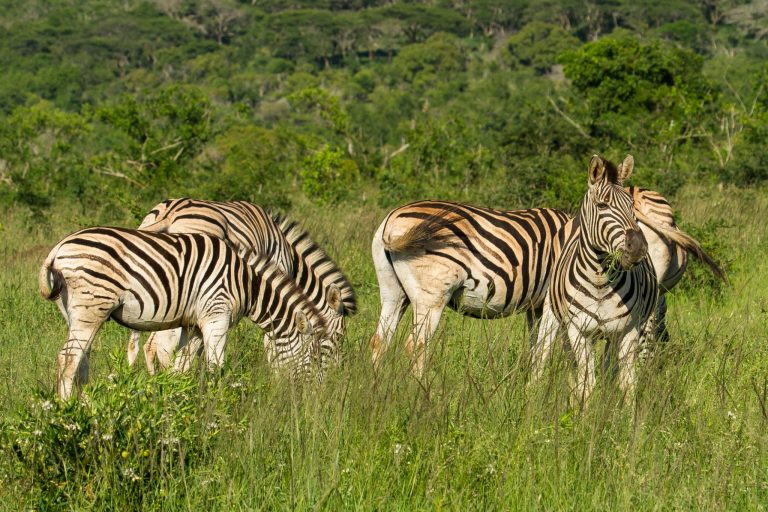
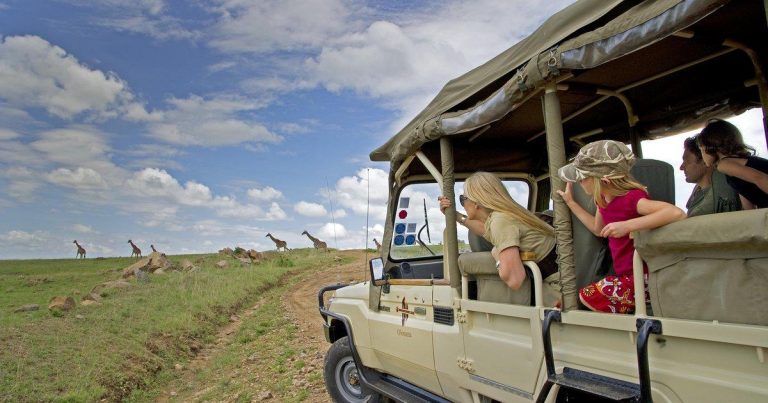
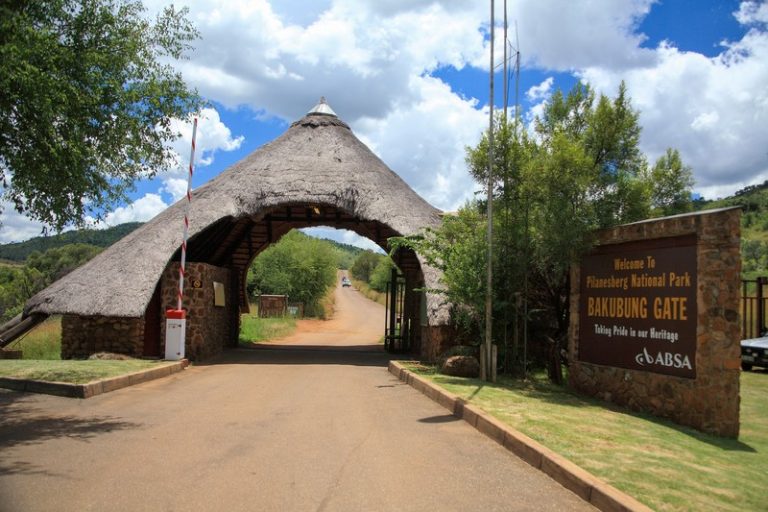
South Africa is often the easier safari choice. The country has a strong range of options, from luxurious private reserves near Kruger to more budget-friendly self-drive and national park experiences. Wildlife density can be excellent, Big Five viewing is a major draw, and the safari infrastructure is polished. Lodges, guides, roads, and flight connections generally make trip planning straightforward.
Namibia offers a different wildlife rhythm. Etosha National Park is the headline safari destination, and it can be outstanding, especially around waterholes in the dry season. Game viewing here feels rawer and more self-directed, particularly if you are driving yourself. You may not get the same lodge-heavy safari circuit that many people associate with East or South African game reserves, but that is part of the charm. Namibia’s appeal is not just the animal list. It is the experience of seeing wildlife within stark desert-edge landscapes and huge open terrain.
If your priority is classic Big Five safari with lots of lodging options and easier logistics, South Africa usually wins. If you enjoy self-drive wildlife viewing and want safari woven into a broader landscape adventure, Namibia is deeply rewarding.
Scenery and road trips
This is where Namibia becomes very hard to resist.
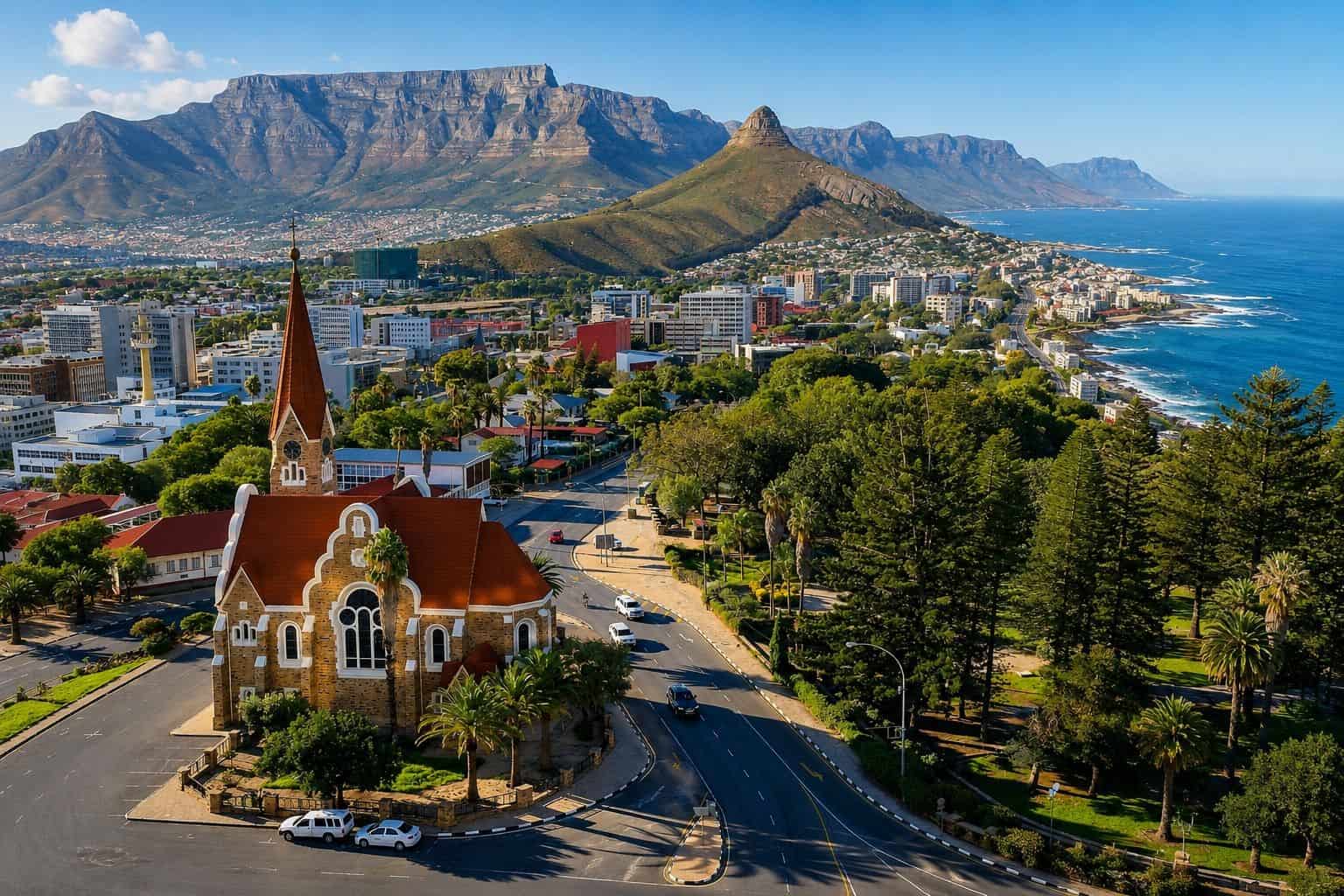
South Africa is visually diverse. You can move from mountain-backed cities to vineyard valleys, coastal drives, green forests, and bushveld reserves. For travelers who get restless with one kind of landscape, this variety is a major advantage. The Garden Route, Cape Peninsula, Drakensberg, and Panorama Route all offer memorable scenery, and the transitions between them can make a trip feel richly layered.
Namibia, though, has a stronger single identity. It is one of those places where the landscape becomes the story. The dunes of Sossusvlei, the gravel roads stretching toward the horizon, the rugged Atlantic coast, and the shifting desert light create a journey that feels immersive rather than segmented. Even the silence becomes part of the experience.
For road trips, Namibia is iconic. It rewards travelers who are comfortable driving long distances and who do not mind that the journey itself often takes center stage. South Africa also works well for self-drive travel, especially around the Western Cape and Garden Route, but it feels more connected, populated, and service-rich.
If you want variety, South Africa has the edge. If you want cinematic emptiness and one of Africa’s great self-drive adventures, Namibia stands out.
Culture, cities, and overall atmosphere
South Africa offers more depth for travelers who want city life, history, food, and culture alongside nature. Cape Town alone can fill a trip with neighborhood culture, museums, mountain views, markets, beaches, and nearby wine estates. Johannesburg adds historical weight, especially for travelers interested in apartheid history, urban creativity, and contemporary South African identity. The country’s cultural complexity is one of its biggest strengths.
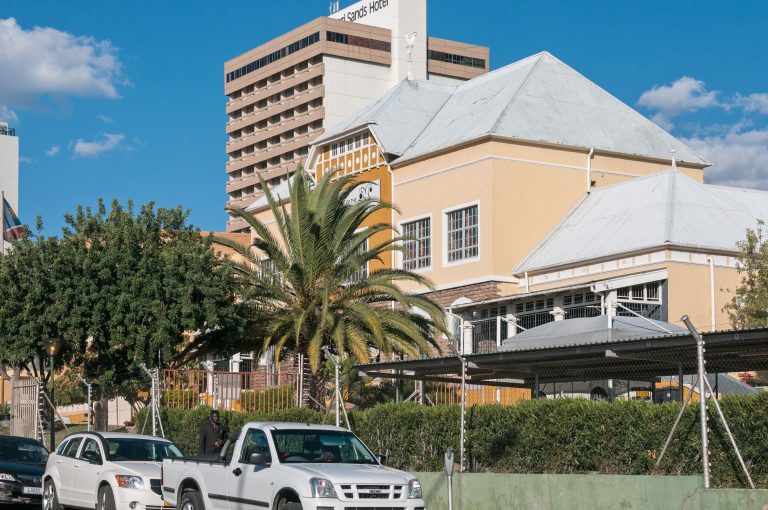
Namibia’s cultural appeal is quieter and often more place-based. Indigenous cultures, colonial legacies, desert communities, and regional identities all shape the country, but the experience is usually less city-centered and less fast-moving. Windhoek is useful and pleasant enough as a gateway, but it is not the reason most travelers come. They come for landscapes first, then the slower cultural encounters that happen along the route.
So if you want restaurants, nightlife, museums, and a stronger urban dimension, South Africa is the more complete package. If you prefer cultural travel that happens in smaller, more grounded moments rather than major cities, Namibia may suit you better.
Budget and trip planning
South Africa is often easier to plan across a wider range of budgets. There are more flights, more accommodations, more tour options, and more opportunities to mix luxury with value. You can splurge in one region and save in another. For international travelers, that flexibility can make a big difference.
Namibia can look simple on paper, but costs add up differently. Distances are long, fuel matters, rental vehicles can be expensive, and good lodges in remote areas are not always cheap. Self-drive remains one of the best ways to experience the country, but it requires more planning and confidence than many travelers expect. A Namibia trip is often less about finding bargains and more about paying for access to space, remoteness, and unforgettable scenery.
That does not mean Namibia is only for luxury travelers. It means the value equation is different. You are spending less on city entertainment and more on transport, route logistics, and staying in places where the setting is the main attraction.
Safety, comfort, and ease
Both destinations reward informed travel rather than careless travel.
South Africa has more developed tourism infrastructure overall, but it also requires more attention to urban safety, especially in major cities. Many travelers have excellent trips, but being thoughtful about where you stay, how you move around at night, and how you handle valuables is part of planning responsibly.
Namibia often feels calmer and less crowded, which many travelers find appealing. The bigger challenge is not usually city safety. It is the environment itself. Long drives, remote stretches, limited services, and rough roads mean preparation matters. A flat tire in Namibia is a different problem from a wrong turn in Cape Town.
If you want convenience and a more familiar tourism setup, South Africa is generally easier. If you are comfortable with remote travel and self-reliance, Namibia feels wonderfully liberating.
Best time to visit South Africa vs Namibia
South Africa is a strong year-round destination, but the best timing depends on which regions matter most. Cape Town and the Western Cape are best in the southern summer, roughly November through March, when the weather is warm and dry. Safari areas like Kruger are often excellent in the dry winter months, from about May to September, when vegetation thins and wildlife is easier to spot.
Namibia is usually at its best in the dry season from May to October. This is especially strong for Etosha, where animals gather around water sources, and for road trips, when conditions are generally more predictable. Desert landscapes are photogenic year-round, but heat can be intense in the hottest months.
If you need one broad window for Namibia, aim for the dry season. If you are choosing South Africa, plan around the regions you care about most because the country’s climate is more varied.
Who should choose South Africa?
Choose South Africa if you want a trip with range. It is ideal for first-time visitors to Africa, travelers who want safari without making the whole vacation only about safari, and anyone who values food, scenery, culture, and comfort in equal measure. It also works well for couples and families who want a smoother planning process and more accommodation choices.
It is the country for travelers who want to wake up near vineyards one day, track wildlife another day, and still have access to strong restaurants and well-developed tourism services.
Who should choose Namibia?
Choose Namibia if you are drawn to the road as much as the destination. It is for travelers who want wide-open space, fewer crowds, dramatic desert landscapes, and a trip that feels distinct from mainstream tourism patterns. Photographers, repeat Africa travelers, and adventurous couples often find Namibia especially compelling.
It is also a strong pick for people who do not need a packed itinerary to feel fulfilled. In Namibia, stillness is part of the reward. Damtos Adventure readers who want Africa at its most elemental often end up falling hard for it.
If you are still torn between South Africa vs Namibia, use this simple test: choose South Africa for variety and ease, choose Namibia for space and atmosphere. Either way, you are not settling. You are choosing the version of Southern Africa that matches how you want to feel when you travel, and that is usually the decision that leads to the best trip.