African Safari Travel Trends to Watch
A safari used to be sold as a bucket-list moment. You just fly in, spot the Big Five, and then fly out. That version still exists, but african safari travel trends are moving in a more thoughtful direction. Travelers are asking better questions now: Which destinations feel less crowded? How do I combine wildlife with culture? Where does my money actually go? And can I build a safari that feels personal instead of packaged?
That shift is changing how people plan trips across Africa. It is not just about chasing famous sightings anymore. More travelers want a safari that reflects their pace, budget, values, and curiosity. If you are researching your first trip or trying to decide where to go next, these are the trends shaping safari travel right now.
The numbers back this up. Africa welcomed 81 million international visitors in 2025, an 8% increase from 2024, making it the fastest-growing tourism region globally. The Southern Africa safari tourism market alone was valued at USD 14.56 billion in 2025 and is projected to reach USD 29.84 billion by 2033.
If you are planning a safari, or you operate in this space, you need to understand where the industry is heading. Here are the trends that matter.
The biggest African safari travel trends right now
One of the clearest changes is that travelers are staying longer in fewer places. Instead of racing through three countries in nine days, many are choosing one country and exploring it properly. That might mean pairing South Africa’s private reserves with the Cape, focusing on Namibia’s desert and wildlife contrasts, or spending more time in Rwanda to combine gorilla trekking with city culture and conservation experiences.
This slower approach makes sense for more than comfort. It cuts down on internal flights, reduces travel fatigue, and gives each destination room to feel real. Safari days often start early and involve transfers, game drives, and changing weather. A packed itinerary can look exciting on paper but feel exhausting in practice.
Another trend is the move away from generic luxury toward value-based luxury. Travelers still want beautiful lodges, strong guiding, and memorable settings, but many are less interested in polished excess for its own sake. They want to know what makes a camp worth the price. Is the guiding excellent? Is the location strong for wildlife? Does the property support conservation or local employment? The answer matters more now than flashy marketing language.
There is also growing demand for trips that combine wildlife with culture. A safari is no longer seen as complete just because it includes game drives. People want to understand the landscapes and the communities around them. That can mean adding a cultural village visit with the right local context, spending time in Cape Town before heading to the bush, exploring local food and history in Kigali, or building in time for markets, crafts, and community-led experiences.
Safari travelers are looking beyond the usual icons
The classic safari circuit still has power for a reason. The Serengeti, Maasai Mara, Kruger region, and Okavango Delta remain famous because they deliver. But one of the more interesting african safari travel trends is the growing interest in destinations that feel more specific and less obvious.
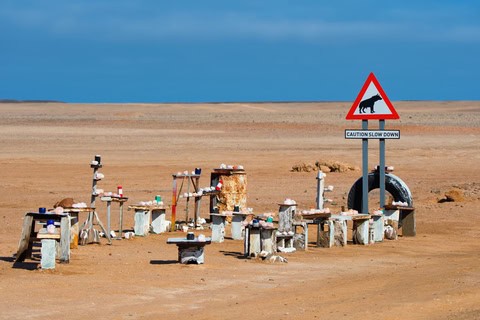
Namibia stands out here. Travelers who want dramatic scenery as much as wildlife are increasingly drawn to its wide-open desert landscapes, self-drive possibilities, and quieter rhythm. It appeals to people who do not need nonstop animal density every hour of the day and who care just as much about place as sightings.
Rwanda continues to attract travelers who want a high-impact experience built around gorilla trekking, conservation, and a more compact itinerary. It is expensive, so it is not a fit for every budget, but it has become highly appealing to travelers who want a short, focused trip with strong emotional weight.
Zambia is also getting more attention from safari travelers who care deeply about guiding and walking safaris. It tends to attract people who have already done a more classic safari and now want something a little less conventional. That is a pattern worth noticing: repeat Africa travelers are helping push interest toward countries and styles of travel that feel more grounded and specialized.
Seasonal strategy matters more than ever
Travelers are getting smarter about when they go. Instead of only asking for the “best time,” many are asking what kind of experience they want. That is a better question.
Peak dry-season safari still delivers easier wildlife viewing in many destinations, but it also brings higher prices and less flexibility. Shoulder season is gaining appeal because it can offer a better balance of cost, scenery, and crowd levels. In some places, green season travel means dramatic skies, excellent birding, fewer vehicles, and a more vibrant landscape. The trade-off is that wildlife can be harder to spot in thicker vegetation, and some roads or camps may be less accessible.
This trend matters because it gives travelers more options. If your priority is dramatic predator sightings, your timing may be different from someone who wants photography, lower rates, or family-friendly travel. A good safari plan now starts with matching season to expectations rather than chasing a single “perfect” month.
Shoulder Season is the new Peak Season
For decades, July through October was the undisputed peak for African safaris. That is no longer the case.
According to the State of Safari 2025 report from Go2Africa, shoulder season months have now overtaken peak months in share of enquiries. Travellers are prioritising wildlife conditions, value and crowd avoidance over traditional peak travel periods.
Why the shift? Shoulder seasons offer real advantages. Fewer people means a more exclusive experience. Wildlife sightings remain strong outside peak periods. “The animals don’t go on vacation. They’re there,” said Kate McIntosh, Go2Africa Africa Safari Expert. It may be harder to spot them in thicker bush, but the game is still present.
This shift also benefits conservation areas. Spreading visitor numbers across more months reduces pressure on ecosystems. Recent overcrowding in the Serengeti and Maasai Mara demonstrated what happens when demand concentrates too heavily. A more even distribution helps parks manage their natural assets sustainably.
Peak season will remain important due to school holidays from major source markets. But if you can travel outside those windows, you will get better value and a better experience.
Travelers want more private and customized experiences
Private guiding, flexible departures, and tailor-made itineraries are becoming more desirable across the market. That does not always mean ultra-luxury. Sometimes it simply means travelers want more control over pace and priorities.
Couples may want a romantic safari with fewer lodge changes. Families often need practical rhythm, child-friendly properties, and drives built around attention span rather than photography goals. Solo travelers may want small-group safaris that still feel intimate and safe. Photographers might prioritize vehicle positioning, specialist guides, and camps near key habitats.
The broader trend is clear: people want safari trips that fit how they travel in real life. The old one-size-fits-all package feels less attractive, especially for travelers spending significant money on a once-in-a-lifetime journey.
Conservation is no longer a side note
A few years ago, sustainability language often felt vague. Now travelers are pressing for specifics. They want to know whether a safari operator genuinely supports conservation, anti-poaching work, habitat protection, or local livelihoods. They also want to know whether community visits are respectful and meaningful instead of staged for tourists.
That does not mean every traveler arrives with a checklist, but the mindset has changed. The idea of ethical travel has moved closer to the center of safari planning. For many people, seeing wildlife in Africa comes with a responsibility to understand the ecosystems and people connected to that experience.
This is one reason camps and operators with strong local relationships stand out. When a safari is rooted in place, travelers feel the difference. Better storytelling, better cultural context, and more credible conservation claims all come from that foundation. It is one of the areas where trusted destination guidance matters most, and it is why brands like Damtos Adventure resonate with travelers who want more than surface-level recommendations.
Multi-experience itineraries are replacing single-focus trips
Another major shift is the rise of combination travel. More travelers want a safari to be part of a broader journey rather than the entire trip. South Africa is one of the easiest places to see this trend because it blends wildlife, wine, coast, food, and city experiences in one country. But it is happening elsewhere too.
A Namibia trip might combine Etosha with Sossusvlei and the Skeleton Coast. A Rwanda itinerary might pair gorillas with Kigali’s cultural and historical sites. East Africa travelers may add beach time after safari, especially if they want recovery time after early mornings and overland movement.
This trend works because it reflects how many travelers define value now. They are not just buying game drives. They are building a fuller trip with contrast – wildlife and city, bush and coast, conservation and culture. That makes a safari feel less isolated from the rest of the journey and often more worth the long-haul flight.
Budget awareness is sharper, even in the luxury market
Safari travel has never been cheap, and rising transport and lodge costs have made budgeting even more important. But the latest shift is not simply that people want lower prices. They want clearer trade-offs.
Many travelers are willing to spend more on the parts of a trip that matter most, like top guiding, a prime wildlife area, or a special conservation experience. At the same time, they may save money by traveling in shoulder season, mixing lodge levels, limiting flights, or choosing one standout park instead of several average stops.
That mindset is healthy. A smart safari budget is not about doing everything. It is about knowing what you care about and building around it. For some, that means one exceptional camp for three nights. For others, it means a well-planned self-drive in Namibia with a few strategic upgrades. Both can be excellent if expectations are honest.
New Destinations Are Gaining Ground
South Africa remains the most popular safari destination while Tanzania and Kenya follow closely. But travellers are increasingly looking beyond the traditional circuits.
Interest in Madagascar and Malawi doubled in 2025. Generative AI has played a role in redirecting consumer interest to these less-explored locations.
This diversification benefits the broader African tourism market. It creates new opportunities for less-visited destinations and distributes economic benefits more evenly. New safari hot spots contribute to job creation, local economies and enhanced tourism infrastructure.
Zimbabwe is also seeing strong momentum. Tourist arrivals increased by 15% in 2025, driven by world-class attractions like Victoria Falls, Hwange National Park and Mana Pools.
For travellers, this means more choice. For the industry, it means spreading the load and reducing pressure on overcrowded parks.
Wellness Is Becoming Part of the Safari
Wellness is no longer an afterthought on safari, it’s becoming central to the experience. This new trend emphasis active luxury with wellness integrated into safari planning. Travellers increasingly seek journeys that combine physical vitality and restorative experiences.
This includes guided walking safaris, horseback riding and wellness-focused bush stays alongside traditional wildlife viewing. The quiet luxury trend supports this. Slower routing, longer stays and lower visitor density create space for rest and reflection. The wilderness itself becomes part of the wellness experience.
So if you’re traveling, you design itineraries that balance activity with downtime, providing a more holistic experience.
Technology is helping, but trust still wins
Travelers now arrive with more information than ever. They compare camps on social media, watch wildlife clips, study migration maps, and read detailed forums before they ever speak to a planner. That has made safari buyers more informed, but not always more certain.
The problem with too much research is that everything can start to sound equally amazing. That is where good guidance still matters. You need someone, or a source, that can tell you why one reserve is better for first-time safari travelers, why one season suits photographers, or why a particular lodge is overpriced for what it offers.
Technology helps people imagine the trip. Trusted expertise helps them choose the right one.
The most interesting part of these african safari travel trends is that they point to a better kind of travel. People are moving beyond the idea of safari as a checklist and toward something more personal, more informed, and more connected to place. If you plan with that mindset, you are far more likely to come home with a trip that felt true to Africa and true to why you wanted to go in the first place.