Cape Town Weekend Itinerary for 3 Perfect Days
Friday afternoon in Cape Town can tempt you into doing too much too fast. The city has mountains, beaches, vineyards, penguins, bold history, and a food scene that easily fills a trip on its own. The best Cape Town weekend itinerary does not try to cram in every postcard stop. It gives you the city’s big views, its cultural depth, and enough breathing room to actually enjoy the place.
This plan is built for three days – ideal if you arrive on a Friday and leave on a Monday, or if you simply want a tight, well-paced city break. It works especially well for first-time visitors who want a strong mix of scenery, local flavor, and iconic Cape Peninsula experiences.
How to plan a Cape Town weekend itinerary
Cape Town rewards early starts and flexible thinking. Weather changes quickly, especially around Table Mountain, and traffic can stretch what looks like a short drive into a slow crawl. If you only have a weekend, keep your days grouped by area instead of zigzagging across the city.
This itinerary assumes you are staying in the City Bowl, Sea Point, Green Point, Camps Bay, or the V&A Waterfront. Those areas make it easier to move between major sights, restaurants, and departure routes for day trips. If you prefer a quieter base, Constantia also works, though it shifts you farther from the waterfront side of the city.
You can do this itinerary with a rental car, and that gives you the most freedom for the peninsula day. If you do not want to drive, use ride-hailing apps in the city and book a guided small-group tour or private driver for Cape Point. It usually costs more, but it removes the stress of navigation, parking, and winding coastal roads.
Day 1: City views, heritage, and the waterfront
Start with Table Mountain if the weather is clear. Do this first, not later, because conditions can shift by the hour and the cableway sometimes pauses for wind. If you are short on time, take the cable car up and spend an hour walking the top plateau. If you want a more active start and have decent fitness, hike one of the popular routes with a guide or an early departure.
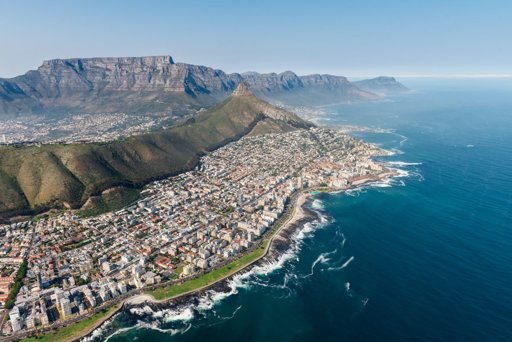
The view from the summit immediately helps you understand Cape Town’s geography – the city center below, Lion’s Head to one side, the Twelve Apostles dropping toward the Atlantic, and the ocean framing everything. For a first visit, it is the perfect orientation point.
After the mountain, head into the city for a slower cultural stretch. The Company’s Garden area works well as a reset after the wind and exposure above. Nearby, you can add one history-focused stop depending on your interests. The District Six Museum is especially worthwhile if you want a stronger understanding of forced removals and apartheid-era displacement. If your priority is political history on a bigger scale, saving Robben Island for a longer trip can make sense, since weekend time is limited and ferry operations depend on weather.
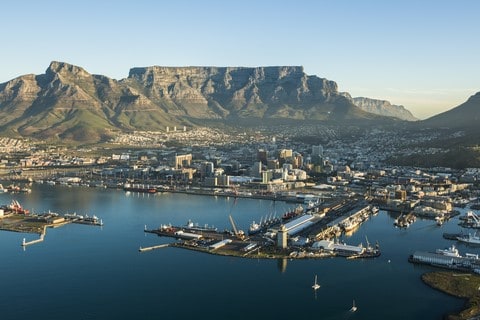
For lunch, stay central or move toward the V&A Waterfront. The waterfront is touristy, yes, but it is also convenient, scenic, and lively enough to justify a first visit. You will find a broad range of dining options, harbor views, and enough energy to ease you into the city without overthinking logistics.
In the late afternoon, walk the Sea Point Promenade if you still have energy. It gives you a different side of Cape Town – less dramatic than the mountain, more local and open-ended. Families stroll, runners pass by, and the Atlantic light starts doing what it does best.
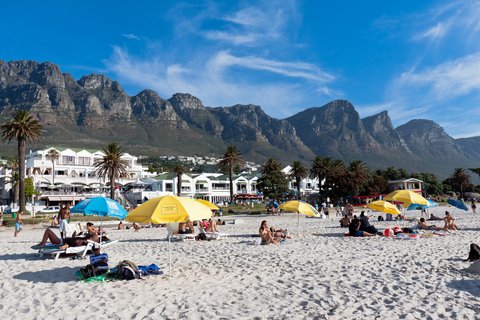
End the evening in Camps Bay if the weather is warm and clear. Sundowners here are popular for a reason. The trade-off is crowding and higher prices, but for a first weekend in Cape Town, that sunset backdrop earns its place.
Day 2: The Cape Peninsula road trip
If there is one day that defines a short Cape Town break, this is it. Leave early and make the peninsula your full-day focus. A rushed version exists, but it misses the point. You want time for viewpoints, small stops, and the changing feel of the coastline.
Drive from the city through Camps Bay toward Hout Bay and Chapman’s Peak Drive, one of the most beautiful coastal routes in South Africa. Stop when the views demand it, because they will. This is also why starting early matters. The later you leave, the more likely you are to share every pull-off with buses and long parking lines.
From there, continue south toward Cape Point and the Cape of Good Hope within Table Mountain National Park. These are often blended together in conversation, but they are slightly different stops. Cape Point has the better-known lighthouse setting and broad ocean views, while the Cape of Good Hope carries the symbolic weight many travelers come for. Neither is a secret. Both are worth it.
This part of the day is less about checking off landmarks and more about being in a landscape where cliffs, fynbos, ocean, and wildlife all compete for attention. Keep an eye out for baboons, but do not feed them or underestimate how bold they can be around food and parked cars.
For lunch, Simon’s Town is a smart choice. It breaks the drive nicely and gives you a more historic, lived-in atmosphere than the park stops. Nearby, Boulders Beach is the obvious add-on, and it is absolutely worth seeing if this is your first time in the area. The African penguins are charming, but go with realistic expectations – this is a protected colony, not a private wildlife moment, and it can be busy in peak periods.
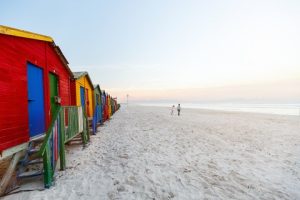
On the way back, choose your final stop based on energy. Muizenberg works if you want colorful beach huts and a softer, more casual coastal feel. Kalk Bay suits travelers who want independent shops, a working harbor mood, and a good place to pause over coffee or seafood. If you only choose one, Kalk Bay often feels more memorable.
By the time you return to Cape Town, keep dinner simple. This is the longest day of the itinerary, and trying to add a formal evening plan can turn a great day into a tiring one.
Day 3: Wine, neighborhoods, or beaches – pick your Cape Town
This is where a good Cape Town weekend itinerary becomes personal. Your final day should match your travel style, not a rigid formula.
Option 1: Constantia for a relaxed wine day
If you want a slower finish, spend the day in Constantia. It is closer than Stellenbosch or Franschhoek, which matters when you only have a weekend. You get a beautiful valley setting, established wine estates, and the chance to enjoy tastings without turning the whole day into a long-distance excursion.
Constantia works especially well for couples, food-focused travelers, and anyone who wants to trade high-energy sightseeing for a more measured final day. You can pair wine tasting with a long lunch and still be back in the city with time to pack and watch one more sunset.
Option 2: Bo-Kaap and the city’s cultural layers
If your trip has felt heavy on scenery and light on context, use your last day to spend more time in the city itself. Bo-Kaap is visually striking, but it should be approached as more than a photo stop. This is a historic neighborhood with deep Cape Malay cultural significance, and it deserves curiosity, not just quick content for social media.
Pair Bo-Kaap with a food experience, a local cooking class, or more time in museums and galleries depending on your interests. This route suits travelers who care about culture as much as landscape and want a fuller sense of Cape Town beyond its dramatic coastline.

Option 3: Beach time and one final viewpoint
If your ideal weekend ends outdoors, keep things simple. Spend the morning at Clifton or Camps Bay, then head up Signal Hill for a late-day view if conditions are good. Lion’s Head is also popular, but for a final day before departure, the hike can feel like too much unless you are very comfortable with steep terrain and timing.
This option is the least structured and often the best choice if you have had a packed two days already. Cape Town does not always need another attraction. Sometimes it just needs time.
Practical tips for a smoother weekend
Cape Town’s beauty can distract you from practical planning, but a few decisions make a big difference. Book the Table Mountain cableway and any major tours in advance when possible. Start sightseeing early, especially on weekends. Keep a close eye on weather forecasts, but accept that local conditions can still change quickly.
For safety, use the same common sense you would in any major city. Stay aware of your surroundings, avoid isolated areas after dark, and do not leave valuables visible in a car. In busy sightseeing zones, that small habit matters.
If you are visiting between December and February, expect bigger crowds, warmer weather, and stronger competition for restaurant reservations. Shoulder seasons such as March to May and September to November often feel easier – still beautiful, but less compressed.
The one real trade-off in a short Cape Town trip is deciding between wine country and the full peninsula. If this is your first visit, choose the peninsula first. It gives you the strongest sense of what makes Cape Town physically unforgettable. Wine can fit into a future trip or a lighter Constantia day.
Cape Town is one of those cities that can feel cinematic on first glance and deeply layered once you slow down. Let your weekend reflect both. See the mountain, take the coastal road, make room for local history, and leave one pocket of time unclaimed. That is often where the city becomes more than a checklist.