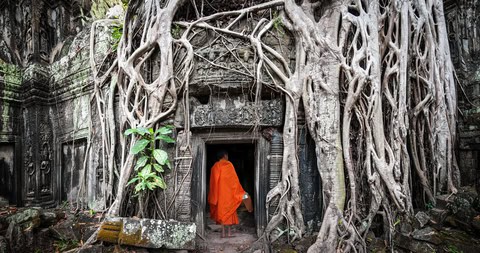
How to Visit Angkor Wat the Smart Way
You feel Angkor Wat before you fully understand it. The scale, the stone, the quiet faces carved into towers, the long corridors that seem to hold centuries of movement – this is why so many travelers ask how to visit Angkor Wat well, not just quickly. A rushed temple stop can still be impressive, but a well-planned visit turns the experience into something much deeper.
Angkor Wat is part of a vast archaeological park near Siem Reap in Cambodia, and that distinction matters. Many first-time visitors say “Angkor Wat” when they really mean the wider temple complex, which includes Bayon, Ta Prohm, Banteay Srei, and dozens of other sites. If you only plan for one temple, you may miss the real character of the place. The smart approach is to treat Angkor as a cultural landscape rather than a single photo stop.
How to visit Angkor Wat without wasting time
The first choice is your pass. Most travelers should decide between a one-day pass and a three-day pass. A one-day visit works if Cambodia is just one stop on a wider Southeast Asia itinerary and you have limited time. But it is intense. You will be moving early, covering a lot of ground, and making quick decisions in the heat.
A three-day pass is usually the better value for culturally curious travelers. It gives you room to slow down, return to favorite sites, and mix major temples with quieter corners of the park. If you like history, photography, or simply dislike feeling rushed, three days makes Angkor far more rewarding.
You will base yourself in Siem Reap, which is the practical gateway to the temples. It has the widest range of hotels, guesthouses, restaurants, and transport options. Staying in the city also makes sunrise departures manageable without isolating you far from food or services later in the day.
Temple tickets are purchased through the official system, and you should expect to have your photo taken for the pass. Keep that pass with you at all times because checks happen throughout the park, not just at the entrance. Losing time to ticket confusion on a hot morning is an avoidable mistake.
When to go and what kind of day to expect
The dry season, roughly from November to April, is the easiest time to visit for clear skies and more dependable road conditions. It is also the busiest. If you want postcard sunrise views and comfortable logistics, this is the safe choice, but you will share the experience with plenty of other travelers.
The green season, usually from May to October, can be excellent if you do not mind short bursts of rain. The landscape feels more alive, moats and ponds are fuller, and the jungle around the temples looks especially dramatic. The trade-off is humidity, muddy paths in some areas, and less predictable weather.
Within any season, your daily timing matters almost as much as your travel month. Sunrise at Angkor Wat is famous for a reason, but it is not always the most peaceful experience. If seeing the temple reflected in the pools at dawn is high on your list, go for it. Just know you will be one of many people waiting in the dark for that same moment.
If you care more about atmosphere than checklist bragging rights, consider a later morning start or a late afternoon visit. Midday is the harshest for heat and light, so many travelers do best by splitting the day – temples early, rest during the hottest hours, then back out in the afternoon.
How to visit Angkor Wat with the right route
Angkor rewards planning, but not overplanning. Trying to see everything usually means remembering very little. A simple route works best.
If you have one day, focus on the small circuit. That usually includes Angkor Wat, Angkor Thom, Bayon, Ta Prohm, and a few nearby stops depending on your energy. This gives you the headline temples with enough variety to understand the range of Khmer architecture and religious symbolism.
If you have three days, use day one for the icons, day two for deeper exploration, and day three for either more distant temples or repeat visits at better hours. Banteay Srei is worth the extra distance for its intricate carvings and different scale. Preah Khan often surprises people because it feels expansive, atmospheric, and less staged than some of the most photographed sites.
This is where a good local guide can make a major difference. Without context, you are looking at extraordinary ruins. With context, you begin to notice the shift between Hindu and Buddhist symbolism, the political power behind temple building, and the practical ingenuity of the Angkorian world. For a destination this historically rich, interpretation adds real value.
Getting around the temple park
Most visitors use a tuk-tuk, private car, bicycle, e-bike, or guided tour vehicle. The right option depends on your pace, budget, and tolerance for heat.
A tuk-tuk is one of the most practical choices for independent travelers. It is flexible, widely available, and ideal for short hops between temples. You get airflow, easy stops, and a more open connection to the landscape than you would in a sealed car.
A private car with a driver makes sense if you are traveling as a family, visiting in peak heat, or want a more comfortable day. It is also helpful for longer temple routes. The downside is that it can feel a little detached from the environment.
Cycling can be rewarding if you are active and comfortable in tropical conditions. Distances inside the park are larger than they first appear, though, and what sounds romantic at breakfast can feel punishing by late morning. E-bikes offer a middle ground for travelers who want independence without exhausting themselves.
What to wear and how to be respectful
Angkor Wat is not just an archaeological attraction. It is also a sacred site. That means clothing matters. Wear lightweight clothes that cover your shoulders and knees, especially if you plan to enter active religious areas. Breathable fabrics will help in the heat, but respectful dress is part of visiting well.
Good walking shoes matter more than fashion here. Temple steps can be steep, uneven, and worn smooth by time. Bring water, sunscreen, insect repellent, and a hat. The heat drains energy quickly, especially if you start before sunrise and keep going for hours.
Respect also shows in how you move through the space. Keep voices low in sacred areas, avoid touching carvings, and do not treat every corner like a photo set. There is nothing wrong with taking pictures, but some of the most meaningful moments at Angkor come when you stop performing the visit and simply pay attention.
Common mistakes first-time visitors make
The biggest mistake is underestimating the scale of the park. Angkor is not a quick walk-through. It is physically demanding, and the combination of sun, stairs, and distance can wear people down faster than expected.
Another common mistake is trying to force the classic sunrise experience without asking whether it suits your travel style. For some people, it is unforgettable. For others, it is a crowded start followed by a long, overheated day. There is no prize for doing Angkor the same way everyone else does.
Some travelers also spend too little time at the less famous temples. Bayon and Angkor Wat deserve their reputation, but places like Preah Khan, Ta Nei, or Banteay Srei often create the strongest emotional connection because they leave more room for stillness and surprise.
Finally, do not skip local guidance entirely if history is part of why you came. Even one half-day with a knowledgeable guide can reshape the rest of your visit. Damtos Adventure generally encourages this kind of deeper travel for a reason – places with cultural weight are far more memorable when you understand the stories they are holding.
Making the visit fit your travel style
If you are a photographer, start early but stay flexible. Light changes everything at Angkor, and some temples are better later in the day when tour groups thin out. If you are traveling as a couple, build in pauses instead of trying to conquer the full park at speed. If you are with kids, shorten temple sessions and choose fewer sites with more breathing room.
Budget travelers can absolutely visit Angkor well, but it helps to spend selectively. A simple hotel in Siem Reap and a tuk-tuk for key days often delivers a better experience than cutting costs so tightly that you are exhausted, lost, or overheated. Luxury travelers, meanwhile, should not mistake comfort for access. The real privilege at Angkor is time, not just a nicer vehicle.
The best answer to how to visit Angkor Wat is this: go with a plan, but leave room for wonder. Let one temple teach you scale, another silence, another the brilliance of human craftsmanship. If you give Angkor more than a checklist, it tends to give something back.