How to Visit Rwanda Gorillas
A Rwanda gorilla trek starts long before you step into the forest. It starts when you decide whether this is a bucket-list splurge, a once-in-a-lifetime wildlife trip, or part of a bigger East Africa journey. If you are researching how to visit Rwanda gorillas, the good news is that Rwanda makes the experience more straightforward than many travelers expect – but it is still a trip that rewards careful planning.
Mountain gorilla trekking in Rwanda happens in Volcanoes National Park, in the country’s northwest near the border with Uganda and the Democratic Republic of Congo. This is one of the most accessible gorilla experiences in Africa. From Kigali, you can reach the park by road in a few hours, which makes Rwanda especially appealing for travelers with limited time, higher comfort expectations, or a desire to pair wildlife with culture-focused stops in the capital.
How to Visit Rwanda Gorillas Step by Step
The first thing to understand is simple: you do not just show up and hike. Gorilla trekking in Rwanda is permit-based, tightly managed, and limited each day. That is part of what protects the gorillas and keeps the experience intimate.
Your permit is the key document. It gives you access to one guided trek to visit one habituated gorilla family in Volcanoes National Park. Rwanda’s gorilla permit is expensive compared with some neighboring options, so this trip tends to attract travelers who value comfort, efficient logistics, and conservation-driven tourism. For many, the shorter transfer from Kigali and the overall ease of travel justify the higher cost. For others, budget will push the decision toward Uganda instead. That trade-off matters, and it is worth being honest about it from the start.
Once you have a permit, the rest of the planning becomes much easier. You will need lodging near Volcanoes National Park, transportation from Kigali or elsewhere, and the right clothing for a muddy, high-altitude forest hike. Most travelers arrive in Musanze or the Kinigi area the day before the trek. That gives you time to settle in, prepare your gear, and get an early night before registration the next morning.
Where Gorilla Trekking Happens in Rwanda
Volcanoes National Park is part of the Virunga mountain range, a dramatic landscape of bamboo forest, volcanic slopes, and mist-heavy ridgelines. This setting is a major part of the experience. You are not visiting a zoo or driving through open plains. You are entering a living mountain ecosystem where tracking gorillas means walking through dense vegetation with expert guides and trackers who know the movement of each family group.
The park is famous for its conservation history and its connection to Dian Fossey, but the modern trekking experience is highly organized and visitor-focused. Groups are assigned based on fitness level, age, and sometimes preference, though nothing is guaranteed. Some gorilla families are reached in under an hour. Others require a longer, steeper climb. That uncertainty is part of the trek.
Permits, Cost, and Why Booking Early Matters
If you remember one planning point, make it this: book your permit first. Accommodation can wait a little. Flights can often be adjusted. But permits are limited and can sell out well in advance during popular travel periods.
Rwanda’s permit pricing is premium, and that shapes the whole trip. The higher fee supports conservation and community programs, but it also means this is rarely a casual add-on. Travelers usually build an itinerary around it. If you are visiting during peak dry seasons or over holiday periods, aim to secure your permit months ahead.
You can arrange the permit through a licensed operator or through official channels, but many international travelers prefer to use a trusted local or regional expert because it simplifies timing, transport, and communication. If you are combining the trek with a larger safari or cultural route, this can be especially useful.
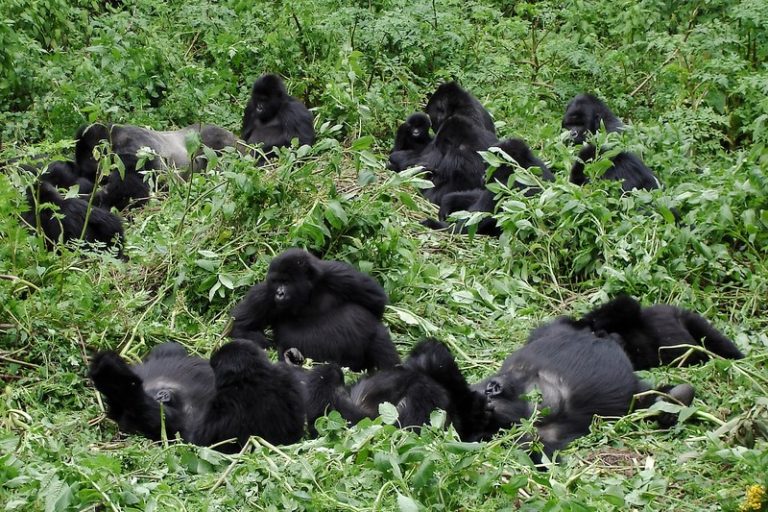
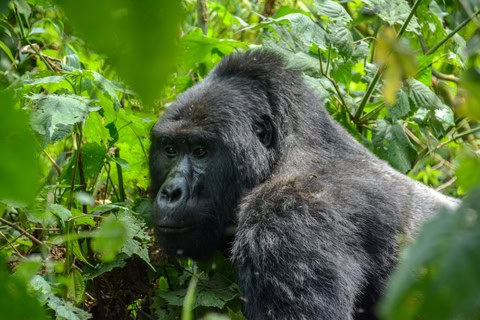
What does the permit include? It covers park entry for the trek, ranger guidance, and one hour with the gorillas once your group reaches them. That one hour is strictly enforced. It may sound short on paper, but in the forest it feels concentrated and memorable. You are close enough to watch behavior, family dynamics, feeding, resting, and the calm authority of the silverback.
Best Time to Visit Rwanda Gorillas
You can trek gorillas in Rwanda year-round, but the dry seasons are usually the most comfortable for hiking. These generally run from about mid-December to early February and from June through September. Trails are still natural mountain trails, not manicured paths, but they are often less slippery in drier months.
The rainy seasons can make trekking muddier and more physically demanding. At the same time, some travelers like the greener scenery, softer light for photography, and potentially quieter atmosphere. There is no bad time if your expectations are realistic. The better question is whether you want easier trail conditions or are comfortable trading convenience for a different forest mood.
If your schedule is fixed, do not overcomplicate it. Secure the permit for the dates you can travel and plan accordingly. Gorilla trekking is extraordinary in any season.
What the Trek Is Actually Like
This is where many travelers need the clearest picture. Gorilla trekking is not guaranteed to be easy. Even in Rwanda, which is often seen as the more accessible option, the hike can be steep, wet, and physically tiring. The altitude adds another layer, especially if you have flown in recently and gone straight to the park.
Your day starts early with check-in and a briefing at the park headquarters. Guides explain the rules, assign groups, and share expectations. After that, you drive to the trailhead and begin the walk with rangers and trackers.
The pace depends on where the gorillas are that morning. Sometimes they are relatively close to the starting point. Other times they have moved farther into the forest. Porters are available and absolutely worth considering, even for fit travelers. Hiring a porter is not only practical on rough trails, it also supports local livelihoods.
Once you reach the gorillas, the mood shifts. The noise of the climb fades. You lower your voice, keep your distance, and pay attention to the guide. Then the forest opens around a family that feels both wild and strangely familiar. That is the power of this experience. It is not only rare wildlife viewing. It is an encounter that changes your sense of what travel can be.
What to Pack for a Gorilla Trek
Packing well makes a real difference. Wear long pants, long sleeves, and sturdy hiking boots with grip. The forest can be muddy, tangled, and full of stinging plants. Neutral colors are best. Gloves can help when grabbing branches or pushing through vegetation.
Bring a light rain jacket even in the dry season. Weather changes quickly in the mountains. You will also want water, a small daypack, sunscreen, insect repellent, and a camera without flash. Gaiters can be useful, though they are not essential for everyone.
One small but smart choice is to carry extra layers. Early mornings can be cool, and once you start hiking, your body temperature changes fast. Dress so you can adjust.
Health Rules and Responsible Travel
Because gorillas are so closely related to humans, they are vulnerable to human illnesses. If you are sick, you may be prevented from trekking. That can feel disappointing, but it is the right policy. A cold for you can be serious for a gorilla family.
You also need to follow the guide’s instructions carefully. Keep the required distance, avoid sudden movements, do not use flash, and never try to get closer for a better photo. The best wildlife experiences are not about pushing limits. They are about respecting them.
This is also a good place to remember what you are paying for. A Rwanda gorilla trek is expensive, but it is not only a tourism product. It supports a conservation model that gives real value to protecting habitat and wildlife. For culturally aware travelers, that context matters.
Should You Choose Rwanda for Gorilla Trekking?
If you are comparing Rwanda with Uganda, the answer depends on your priorities. Rwanda is often easier logistically, especially if you want a shorter transfer from an international airport and a polished travel setup. It can work very well for luxury travelers, couples, and travelers folding gorilla trekking into a broader Rwanda itinerary.
Uganda may offer a lower-cost permit and more budget flexibility, but travel times can be longer depending on your route. Neither choice is automatically better. Rwanda tends to suit travelers who want efficiency, strong infrastructure, and a high-value, shorter-stay experience.
For many readers planning with Damtos Adventure in mind, Rwanda works best when you want one remarkable wildlife encounter without needing a long overland commitment. Add a Kigali city stay, cultural visits, or a few slower days around the Virunga region, and the trip begins to feel deeper than a single headline experience.
The smartest way to plan this journey is to treat the gorilla trek as the centerpiece, not the entire story. Give yourself enough time, enough budget, and enough respect for the landscape to experience it properly. When you finally stand in that mountain forest, listening to leaves move around a gorilla family at close range, the planning will feel like the easy part.