
A Guide To The Best Time To Visit South Africa
When is the best time to Visit South Africa?
South Africa is a spectacular travel destination and one that offers something for everyone. It has incredible cities, such as Cape Town, stunning coastline along the Garden Route and unforgettable wildlife safaris in reserves like Kruger National Park. Deciding when to visit South Africa is an important consideration when planning your trip, as you want to make sure you have the best conditions for your adventure. South Africa’s climate varies from region to region, so the best time to go to South Africa really depends on the activities you have planned – whether that’s safari, beach, cultural exploration or wine tasting in the Cape Winelands. To help you plan, this guide breaks down the seasons and showcases the best time to visit South Africa for different kinds of trips.
Understanding South Africa Seasons
Located in the southern hemisphere, South Africa experiences its seasons in reverse to countries in the northern hemisphere, like the USA, UK and Canada. The country experiences distinct seasonal patterns that can have a knock on effect on weather, wildlife and conditions for visiting.
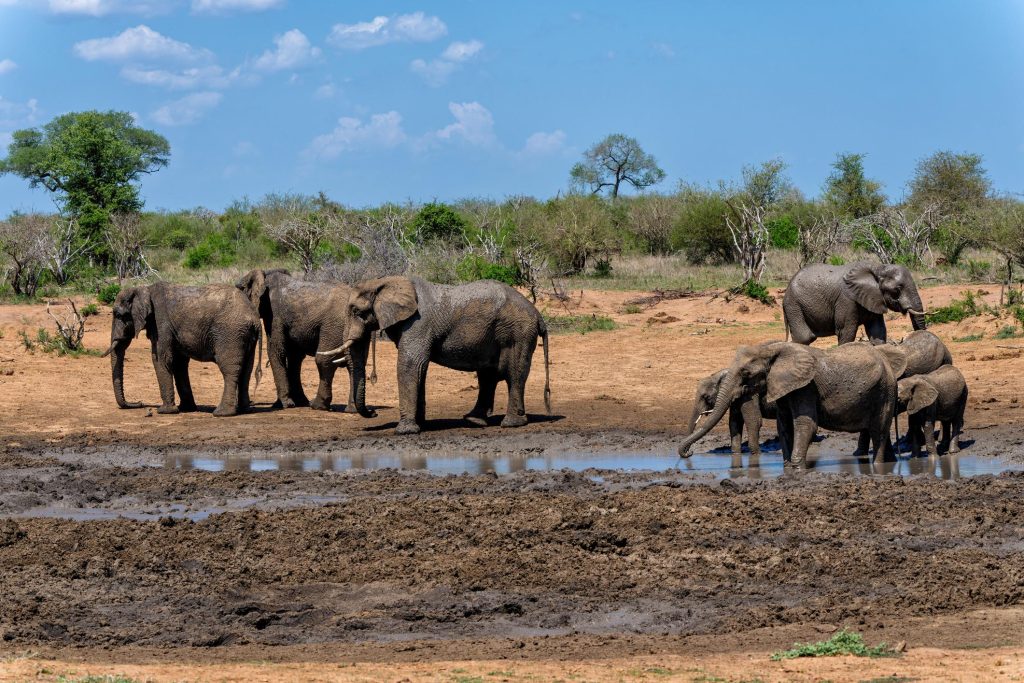
Summer in South Africa runs from November to March, and is characterized by warmer temperatures and regular afternoon showers in much of the country outside the Western Cape. Autumn or fall from March to May typically brings milder, more settled weather as the rains ease. Winter lasts from June to August and is generally dry and mild in safari regions, with cool mornings and evenings. And finally, spring from September to November typically sees warming temperatures, blooming wildflowers, and the best wildlife viewing as vegetation thins.
It’s important to note, however, that as a large country, not all of South Africa’s territory follows the same patterns. Down on the southern tip of the African continent, Cape Town, for example, experiences more of a Mediterranean climate, with wetter winters and long, dry summers – the exact opposite of Kruger National Park to the north.
The downside of this is that it’s rare you’ll see perfect conditions across South Africa, but on the flip side it means that it’s always sunny and warm somewhere in the country! But working out the best time to go to South Africa largely depends on what you want to do when you get there.
Best Time Of Year To Visit South Africa
If you are going to try the impossible and find a perfect time for all types of travel in South Africa, then the shoulder seasons are your best bet. These transitional months between summer and winter are often the most pleasant and the most consistent overall across the country.
In particular, March to May offers weather that’s warm enough to relax on the beach in Cape Town, explore the coastal Garden Route and spot wildlife on safari as the dry season sets in and vegetation thins out. Prices and visitor numbers are also lower than in the peak summer months.
Overall Best Month To Visit South Africa
Picking a single month to visit South Africa is even more difficult, but April is a strong contender. Warm but not stifling temperatures in the cities, thin vegetation in the country’s national parks and cheaper accommodation costs as the peak summer season comes to an end – all of these factors combine to make April as good a month as any to plan a general trip to South Africa.
But what about if you’re heading to South Africa specifically for a break in Cape Town, or specifically for a wildlife safari? How does this affect the best time to visit South Africa? Read on to find out.
Best Time To Visit Cape Town In South Africa
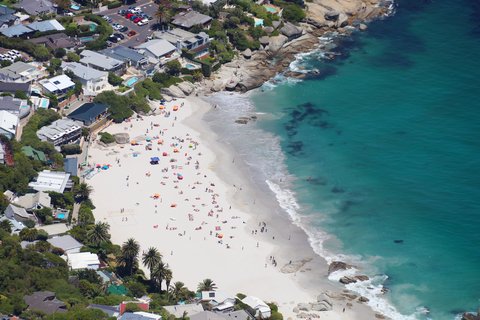
In Cape Town, summer from November to March is the undoubted peak season, with visitors flocking from all over the northern hemisphere to catch some winter sun.
During these months, the days are long and warm, perfect for dining on the V&A Waterfront, surfing on Cape Town’s beaches and enjoying morning hikes up Table Mountain. You won’t see much rainfall at this time of year and the sea is as warm as it’s going to get, especially towards the end of summer.
7 Day Cape Town Itinerary for First-Time Visitors (Complete Travel Guide)
It’s worth noting that this is also the busiest and most expensive time to visit Cape Town: hotels, flights and restaurant reservations are in demand and prices are higher at this time of year. But there’s a reason for this, and it’s because Cape Town really comes into its own during the summer months – you get what you pay for!
Best Time To Go On Safari In South Africa
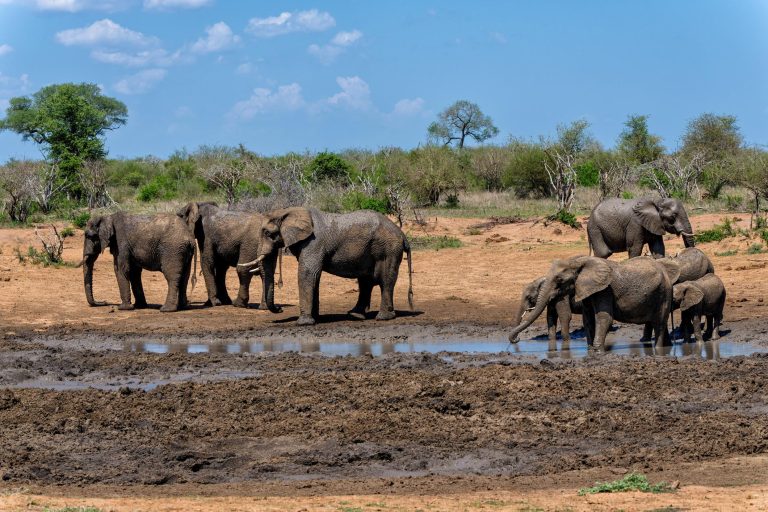
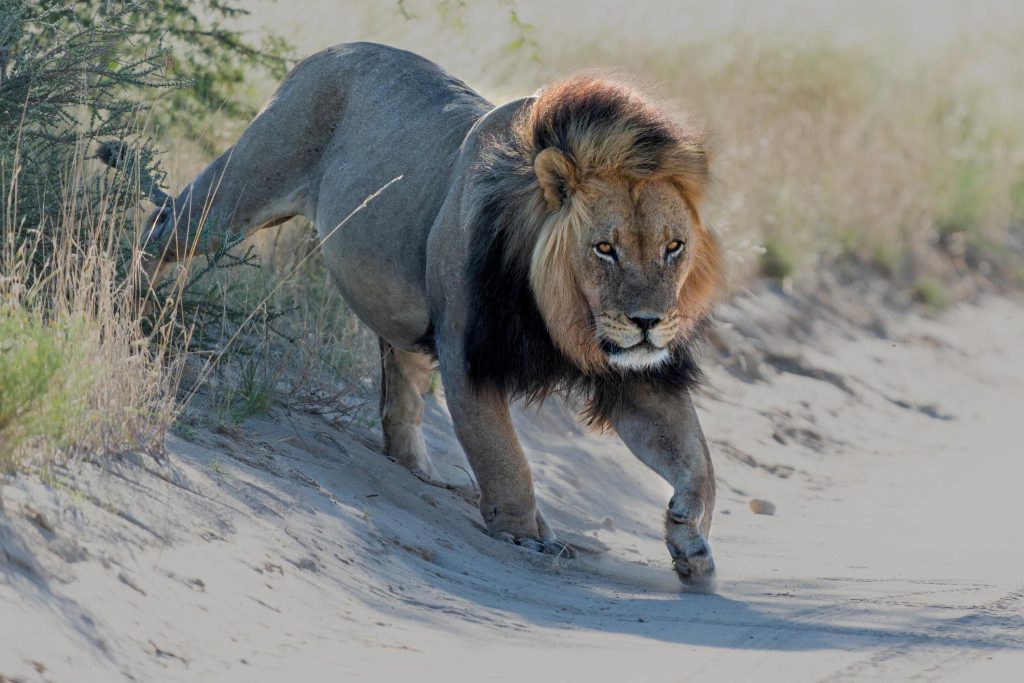
If planning a South Africa safari, the most important thing to consider is how easy it is to spot wildlife. Dense foliage and numerous water sources for animals to choose from mean creatures are more spread out and harder to find. During the dry winter months from May to October, safaris have a far higher success rate of spotting lesser-seen animals like leopards. Why? Because the vegetation thins out, so any creatures in the bush can be spotted more easily by park rangers. Also, with fewer water sources, animals must all come to the same surviving watering holes to drink, making sightings more predictable.
The cooler temperatures are also more comfortable if you’re going to be sitting in an open safari vehicle for 6 – 8 hours per day. And in areas where there is a risk of malaria, mosquitoes are far less active in winter, significantly reducing any risk.
Best 8 Safari Experiences in South Africa
June to August are generally considered the absolute peak for safaris because visibility is excellent, and animals are highly active early and late in the day. And the shoulder months of May and October offer similar conditions but with fewer crowds, as they are outside school holidays and on the fringes of the season.
Despite this, wildlife safaris are possible in South Africa all year-round, and there are perks to visiting national parks like Kruger in the summer rainy season: lush green landscapes, an increase in birdlife and the chance to spot newborn animals as prey animals make the most of the abundant vegetation and predators give birth to coincide with an increase in prey.
So if you’re heading to Cape Town for some summer sun, don’t write off the chance to enjoy a wildlife safari just because it’s outside the peak season!
Best Time For Wine Tasting In South Africa
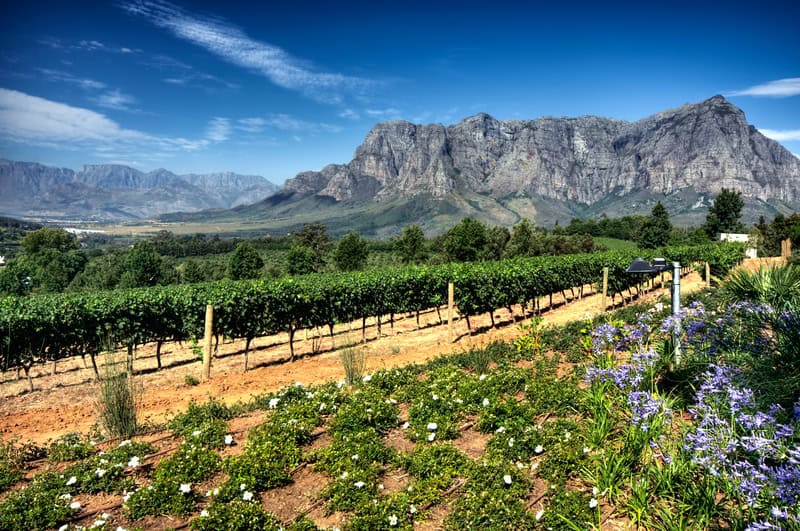
The Cape Winelands are another of South Africa’s major drawcards, with towns such as Stellenbosch and Franschhoek drawing travellers to their wineries and vineyards for wine tastings and tours.
The best time to visit South Africa for wine tasting is during the late summer from February to April, which is the grape harvest season in the Winelands. Vineyards are alive with activity as the grapes are harvested and transferred to wine cellars for fermentation. Special events such as harvest celebrations and tastings make this a particularly good time to learn about South Africa’s wine culture. This time of year also coincides with warm, dry weather in the Western Cape, perfect conditions for enjoying wine tasting and exploring the charming and historic towns of the Winelands. Long, sunny days are perfect for long lunches on vineyard terraces.
Best Time To Explore The Garden Route In South Africa
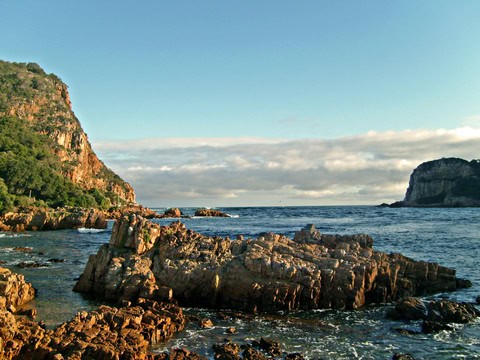
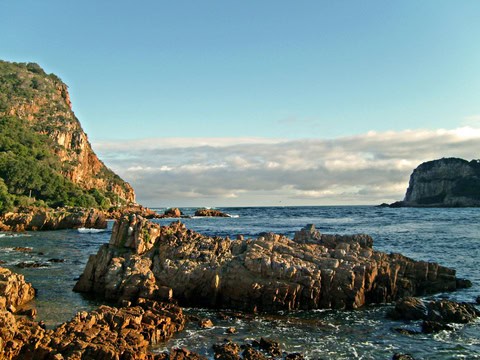
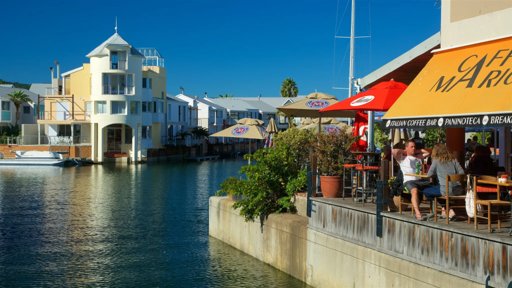
The Garden Route is home to what is arguably some of the finest coastline in the world, so you want to make sure you’re visiting at the most beautiful time of year. Whilst Garden Route road trips are possible year round thanks to a mild climate on the southern coast of South Africa, you’ll enjoy the most comfortable conditions from February to April. Warm days and low rainfall mean you’ve got a great chance of exploring the Garden Route in all of its beauty.
Garden Route Road Trip (Route, Stops, Activities)
November to March is even warmer and also tends to be busier, given that it’s the peak season for visiting the area. And if you’re looking to enjoy whale watching from Hermanus or searching for cooler weather in order to hike the Knysna forests, then the winter months from June to August are definitely an option: accommodation will be cheaper and there will be fewer crowds at this time of year too.
When Not To Go To South Africa
As we’ve discovered, South Africa is a year-round destination and thanks to its large size and geographical variety, somewhere in the country is always enjoying good conditions, even if other places aren’t. So there’s really not a bad time to go to South Africa.
However, if you’re averse to high temperatures, then it’s recommended that you travel outside the peak summer months from December to January, as these high temperatures combined with humidity and tropical thunderstorms can be uncomfortable. Conversely, if you’re looking to enjoy a sunny beach break in Cape Town, it’s best to avoid the winter months from June to August which are characterized by lower temperatures and more rainfall than at other times of year.
Conclusion: The best time to Visit depends on main focus of your trip
Deciding the best time to go to South Africa largely depends on the main focus of your visit: summer is better for beaches, wine and sightseeing whilst winter offers better conditions for wildlife spotting on safari. The shoulder seasons are a great compromise, offering decent conditions and generally lower prices and smaller crowds. March to May can be considered the overall best time to visit South Africa, but there really isn’t a bad time to go, and you’re sure to leave South Africa with incredible memories whatever time of year you visit.
Best Time to Visit South Africa: A Month-by-Month Travel Guide
Remember, climate varies by region. The Cape has Mediterranean weather (wet winters, dry summers). The north, including Kruger, is subtropical with dry winters. While the purpose of your Visit is key to your decision, knowing the month by month weather is equally important for your planning. This will help you understand what other attractions are available when you’re there.
This guide breaks it down month-by-month. You will learn exactly what to expect. We’ll cover weather, wildlife, crowds, and key events. Let’s find your ideal month.
January: High Summer Heat
Weather: Hot and sunny. Coastal areas like Cape Town average 25°C (77°F). The north can be hotter and more humid . Expect occasional afternoon thunderstorms, which are dramatic and refreshing .
Best For: Beaches, hiking, and festive energy.
Crowds & Costs: Peak holiday season. Prices are high. Book everything well in advance.
Things to Do:
· Hike Table Mountain: Long, clear days make this ideal.
· Hit the Beaches: Camps Bay in Cape Town or the shores of Durban are perfect.
· Wildlife: It’s the green season. Landscapes are lush. You will see newborn animals, but game viewing is tougher due to thick vegetation.
· Event: The Cape Town Minstrel Carnival kicks off on January 2nd.
February: Festival and Beach Month
Weather: Still hot and sunny. The temperature is very similar to to January but less humid in some areas.
Best For: Beach holidays and cultural festivals.
Crowds & Costs: Still busy, especially around events but it’s not as frenetic as January.
Things to Do:
· Enjoy the Coast: The Eastern Cape offers green hills and easy access from Port Elizabeth. Combine a safari with beach time.
· Minstrel Carnival: If it extends from January, catch the tail end of this vibrant parade in Cape Town.
· Wildlife: Similar to January. The landscape is lush with and good for bird life.
March: The beginning of Golden Autumn
Weather: Pleasant and warm. Days are still long. The harsh summer heat softens. In Cape Town, expect 22-24°C .
Best For: Wine lovers and photographers.
Crowds & Costs: The Crowds start to thin out, so this is a great time for value.
Things to Do:
· Namaqualand Flowers: In a normal year, this is when the first wildflowers begin to appear in the north, following winter rains.
· Wine Harvest: This is the heart of the grape harvest in Stellenbosch and Franschhoek.
· General Sightseeing: Perfect weather for exploring the Cape Peninsula or the Garden Route.
April: Autumn Splendor
Weather: Mild and stable. Days are warm, evenings are cool. It’s one of the best weather months overall Best For: Wine tasting and scenic drives.
Crowds & Costs: Shoulder season. Fewer tourists and better deals.
Things to Do:
· Cape Winelands: The vines turn shades of red and gold. Harvest festivals are in full swing. Enjoy long lunches at historic wine estates.
· Safari: Wildlife viewing begins to improve as vegetation thins in the north.
· Event: The Splashy Fen Music Festival, a unique outdoor music event near Underberg.
May: The Safari Sweet Spot
Weather: Cool and crisp, especially in the mornings. Days are pleasant. This is the start of the dry season in the north.
Best For: Safaris and budget travel.
Crowds & Costs: Low season for most, except for prime safari areas. Excellent value.
Things to Do:
· Safari in Kruger: This is a brilliant time. Vegetation is thinning. Animals start to gather near water sources. Days are mild, perfect for long game drives.
· Explore the Drakensberg: Clear skies and stunning mountain views. Ideal for hiking.
June: Winter Wildlife and Whale Arrivals
Weather: Cool to cold. Morning game drives require warm jackets, beanies, and gloves. Days are clear and sunny .
Best For: Prime safari viewing and the start of whale season.
Crowds & Costs: Low season (except for safari lodges, which are busy). Great deals in the Cape.
Things to Do:
· Kruger & Private Reserves: This is prime time. The bush is dry and open. Predator sightings are frequent.
· Whale Watching: Southern Right whales begin arriving along the coast near Hermanus.
· Hermanus: The town starts gearing up for the whale season.
July: Peak Safari and Whale Watching
Weather: Cold nights and mornings, but beautiful clear days. It is the heart of winter.
Best For: The absolute best Big Five viewing and land-based whale watching.
Crowds & Costs: Safari areas are busy. Coastal towns are quieter. Good value in the Cape.
Things to Do:
· Big Five Safari: In reserves like Sabi Sand or Phinda, dry conditions make for incredible wildlife encounters.
· Whale Watching: This is one of the best months to see whales, as they come close to shore in places like Hermanus and De Kelders.
· Event: The Knysna Oyster Festival is a 10-day celebration of food and sport.
August: Spring’s First Whispers
Weather: Cold starts, but the afternoons get warmer. The first signs of spring appear.
Best For: Wildflowers and cultural city trips.
Crowds & Costs: Still low season, except for the flower regions towards the end of the month.
Things to Do:
· Namaqualand Flowers: The West Coast explodes with color as wildflowers bloom. This is a world-famous spectacle.
· Johannesburg: Winter sunshine makes for great museum-hopping. Explore the Maboneng Precinct, Apartheid Museum, and Constitution Hill without crowds.
· Whale Watching: Continues to be excellent
September: Spring Perfection
Weather: Mild, pleasant, and beautiful. It is often considered the best weather month. Temperatures are comfortable across the country.
Best For: Everything. It is a magical month.
Crowds & Costs: Shoulder season. Crowds are building but not at peak. Great value.
Things to Do:
· Wildflowers: Peak wildflower season in the west .
· Whale Watching: Peak time for whale sightings along the southern coast.
· Safari: Still excellent in the north. The bush is starting to green, but animals are still visible.
· Garden Route: Perfect weather for a road trip as rain is mild at this time.
· Event: The Hermanus Whale Festival celebrates the marine visitors.
October: The Garden Route Shines
Weather: Warm and sunny. Spring is in full swing. It’s getting hot in the north.
Best For: Road trips, especially the Garden Route.
Crowds & Costs: Shoulder season. There are more tourists, but its manageable.
Things to Do:
· Garden Route: October is ideal. The coastal forests are lush, and the weather is mild. Drive from Mossel Bay to Storms River.
· Safari: Still good, though the bush is getting greener and thicker.
· Birding: Migratory birds return, adding to the avian spectacle.
November: The Green Season Arrives
Weather: Warm to hot. Afternoon thunderstorms begin in the north, bringing life to the bush. The landscape turns green.
Best For: Lush landscapes, baby animals, and budget safaris.
Crowds & Costs: Low season for safari (Green Season). Excellent deals at lodges.
What to Do:
· Green Season Safari: The bush transforms. It’s incredibly photogenic with dramatic skies. You will see newborn impalas, zebras, and warthogs.
· Birding: Excellent for migratory species.
· Cape Town: The weather is warm, but the summer crowds haven’t arrived yet. This is a great time to visit.
December: Festive Fever
Weather: Hot and sunny across most of the country. The summer holiday vibe is in full swing.
Best For: Family beach holidays and festive celebrations.
Crowds & Costs: Peak season. Prices skyrocket. It’s a great idea to book months, even a year in advance.
What to Do:
· Durban: The place to be for a tropical Christmas. Warm ocean, markets, and a party atmosphere.
· Cape Town: Bustling and beautiful. Expect crowds at all major attractions.
· Safari: Green season landscapes are lush, but animals are harder to spot. It is very hot and humid.