Namibia National Parks Worth Your Time
Some safari destinations impress you with density. Namibia national parks do something different. They win you over with space, silence, and the feeling that nature still sets the pace. This is a country where desert elephants move through dry riverbeds, shipwreck coastlines fade into Atlantic fog, and game drives can feel less like a queue and more like discovery.
That difference matters when you are planning a trip. Namibia is not the place to rush through a checklist of parks. Distances are long, landscapes shift dramatically, and each protected area offers a very different version of the country. If you want a trip that feels well chosen rather than overpacked, it helps to know which parks match your interests, travel style, and season.
Which Namibia national parks stand out most?
For most travelers, the conversation starts with Etosha National Park, but it should not end there. Namibia’s park system includes some of southern Africa’s most distinctive landscapes, from dune fields and wetlands to remote mountain desert and rugged Atlantic shoreline. The best choice depends on whether you are after classic safari sightings, dramatic scenery, birdlife, self-drive freedom, or a quieter sense of wilderness.
Etosha National Park
Etosha is Namibia’s best-known safari park for a reason. Wildlife viewing here can be outstanding, especially in the dry season, when animals gather around waterholes and the park’s open terrain makes sightings easier. Elephant, lion, giraffe, zebra, springbok, oryx, and black rhino are all part of the draw, and the huge salt pan gives the whole park a stark, cinematic look that feels very different from East Africa’s greener safari landscapes.
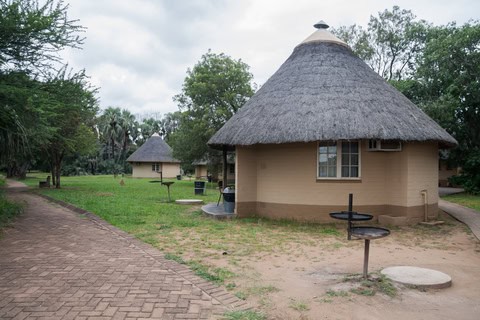
This is usually the right first choice for travelers who want a classic game-viewing experience. It also works well for self-drivers because the road network is manageable and the rest camps are set up for independent travelers. The trade-off is that Etosha can feel more structured and more visited than Namibia’s wilder corners, especially around the better-known waterholes and camp areas.
Namib-Naukluft National Park
If Etosha is about wildlife concentration, Namib-Naukluft is about scale and scenery. This is where many travelers get that iconic Namibia image in their heads – towering red dunes, white clay pans, sharp morning light, and endless desert horizons. Sossusvlei and Deadvlei are the stars, and they deserve the attention. At sunrise, the dune fields look almost unreal.
This park is a strong fit for photographers, first-time visitors, couples, and anyone drawn to landscapes as much as animals. Wildlife exists here too, but it is not the point in the same way it is in Etosha. You come for the desert experience, the feeling of space, and the contrast between harsh conditions and surprising beauty.
Skeleton Coast National Park
Skeleton Coast has a reputation that is well earned. It is remote, atmospheric, and unlike almost anywhere else in Africa. The meeting of desert and ocean creates a landscape that feels stripped back to the essentials – wind, sand, fog, wreckage, and wildlife adapted to difficult conditions. Seals, birdlife, and desert-adapted species can all be part of the experience, but this is less about ticking animals off a list and more about absorbing a place with real character.
It is not for every traveler. Access can be more restricted, planning needs are tighter, and the appeal is strongest if you genuinely enjoy remote travel. But if you want Namibia at its most haunting and least conventional, this is one of the country’s standout protected areas.
Bwabwata National Park
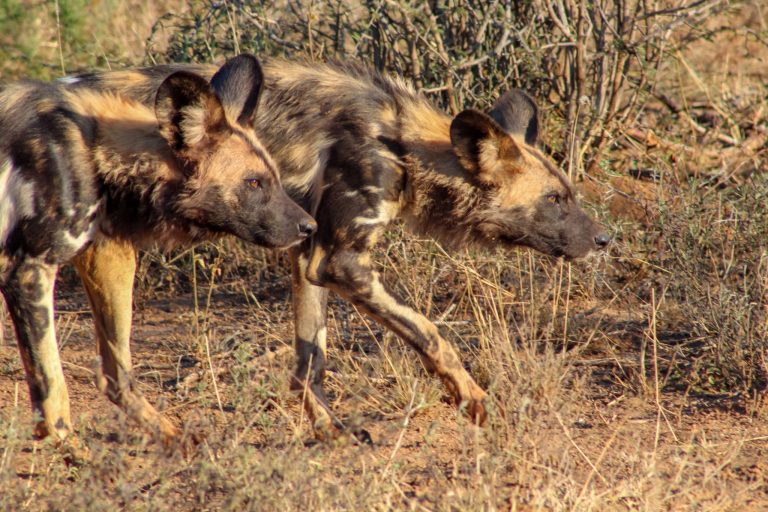
Bwabwata sits in the Zambezi Region, far from the desert imagery many people associate with Namibia. Here, the environment changes completely. Rivers, wetlands, woodlands, and richer vegetation support elephants, buffalo, antelope, hippos, crocodiles, and a long list of bird species. It feels more connected to the safari systems of Botswana, Zambia, and Angola than to the dunes of the Namib.
This park suits travelers who want a broader Namibia itinerary and are curious about the country’s less-publicized side. It is especially rewarding for repeat visitors, birders, and overland travelers moving through the northeast. If your dream of Namibia is entirely desert-based, you may place it lower on the list. If you want contrast, it is a smart addition.
Waterberg Plateau Park
Waterberg often works best as a strategic stop rather than the main event, but that does not make it forgettable. The red sandstone plateau rises sharply from the surrounding landscape, and the area offers hiking, scenery, and some wildlife viewing in a setting that feels greener and more elevated than much of central Namibia.
It can be a good choice for travelers driving between Windhoek and Etosha who want to break up the journey with something scenic and active. It is also one of those places that can pleasantly surprise people who arrive without huge expectations.
How to choose the right park for your trip
The easiest mistake in Namibia is trying to do too much. On a map, the parks may look manageable. On the ground, long drives, gravel roads, and changing conditions quickly add up. A better approach is to build around two or three core experiences.
If wildlife is your top priority, start with Etosha and then decide whether you want to pair it with a landscape-heavy stop such as Namib-Naukluft or a wetter, greener contrast in the Zambezi Region. If scenery matters more than game drives, Namib-Naukluft deserves real time, not just a quick overnight. If you are after remoteness and a stronger expedition feel, Skeleton Coast and the northwest become more compelling, though they usually require more planning and budget flexibility.
Travel style matters too. Self-drive travelers often find Namibia deeply rewarding because the country is built for road journeys, but self-driving here is not the same as a casual weekend road trip in the US. Distances are longer than many first-time visitors expect, and gravel roads demand patience. Guided travel can make sense if you want deeper local context, less logistical pressure, or access to areas that are harder to organize independently.
Best time to visit Namibia national parks
The dry season, roughly from May to October, is usually best for wildlife viewing in Etosha because vegetation thins out and animals gather around water sources. Days are generally pleasant, nights can get cold, and this is peak travel season in many parts of the country.
The hotter months from November into April can bring dramatic skies, greener scenery, and newborn animals. Birding improves in many areas, and some landscapes feel more alive after rain. The trade-off is that wildlife can be more dispersed, heat can be intense, and road conditions may shift in certain regions.
For Namib-Naukluft, shoulder months often strike a good balance. You still get the desert drama, but temperatures can be more comfortable than in the height of summer. Skeleton Coast can be visited at different times of year, though weather there has its own mood, shaped by fog, wind, and the Atlantic rather than simple seasonal expectations.
What first-time visitors often underestimate
They underestimate the driving. They also underestimate how much Namibia rewards slower travel. A trip that looks modest on paper can still feel full because the country is visually rich from one region to the next.
Travelers also sometimes assume all parks will deliver the same safari rhythm. They do not. Etosha is built around waterholes and game drives. Namib-Naukluft is about desert movement, light, and perspective. Bwabwata introduces river-based ecosystems and different animal patterns. Skeleton Coast gives you atmosphere as much as sightings. Once you understand that, it becomes easier to plan a trip around experience, not just park names.
Accommodation style is another factor. Some parks and surrounding areas cater well to a broad range of budgets, while others lean toward more specialized lodges or fly-in logistics. If budget matters, and for most travelers it does, that should shape your route early.
A smarter way to build your itinerary
For a first Namibia trip, one of the strongest combinations is Windhoek, Sossusvlei and Namib-Naukluft, Swakopmund or the coast, and Etosha. That route gives you the country’s classic contrasts: desert, coast, and safari. If you have more time, adding Damaraland, Waterberg, or the Zambezi Region can deepen the picture.
If you are returning to Namibia, that is when the more remote parks and regions start to shine. A second trip can focus less on the headline names and more on mood, remoteness, and specific interests like birding, conservation, photography, or cultural encounters with local communities in the wider travel corridor.
Namibia rewards travelers who choose depth over speed. Pick the parks that fit the experience you actually want, give yourself time between them, and let the country’s scale do what it does best – remind you that wild places still have room to surprise you.