10 Best Safari Photography Destinations in Africa
A lion lifting its head through waist-high grass, a herd of elephants crossing a dry riverbed, a carmine bee-eater flashing red against an open sky – safari photography is not just about finding wildlife. It is about being in the right landscape, at the right season, with enough time to let the scene unfold. The best safari photography destinations reward patience as much as they reward a long lens.
For photographers, Africa is not one experience. Each region has its own light, habitat, wildlife behavior, road conditions, and pace of travel. A first-time visitor focused on the Big Five may want very different conditions from a traveler hoping to photograph birds, desert-adapted animals, or intimate primate portraits. These are the destinations that consistently offer memorable frames and a deeper sense of place.
1. Serengeti National Park, Tanzania
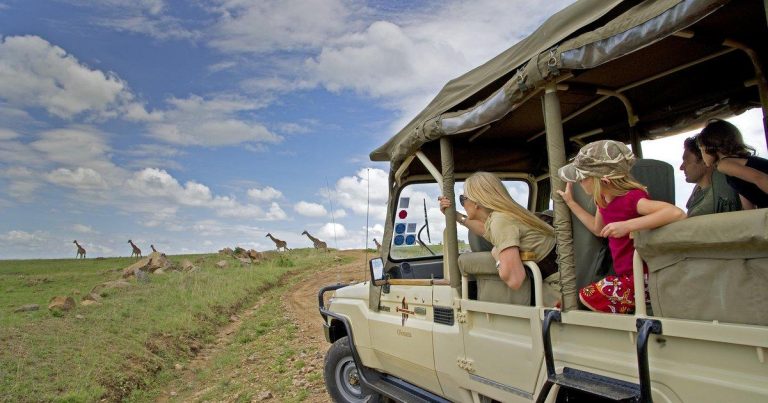
The Serengeti is one of the world’s great wildlife theaters. Its open grasslands make it easier to photograph large predators, elephant herds, giraffes, and the endless visual rhythm of the wildebeest migration. During the river crossings, usually between roughly July and October depending on rainfall, the action can be dramatic and unpredictable. Patience matters here: crossings do not operate on a schedule.
For softer light and quieter scenes, consider the calving season in the southern Serengeti from January through March. Thousands of wildebeest gather on the plains, attracting lions, cheetahs, hyenas, and jackals. The trade-off is greener vegetation, which can make animal sightings less clean than in the dry season. A good guide and several nights in one area will do more for your portfolio than trying to cover the entire park too quickly.
2. Maasai Mara National Reserve, Kenya
Across the border from the Serengeti, the Maasai Mara delivers a similarly rich ecosystem with a more compact game-viewing area. It is especially strong for big cats. Lions often rest in open country, cheetahs use termite mounds as lookout points, and leopards can be found near riverine woodland if you give them time.
The Mara is among the best safari photography destinations for travelers who want strong wildlife density in a shorter trip. The main migration season, generally July through October, brings crowds and higher rates, particularly around famous river-crossing points. Travel outside those peak months and you can still find excellent resident wildlife, warmer personal attention from guides, and more room to compose without a line of vehicles in the background.
3. Sabi Sand Nature Reserve, South Africa
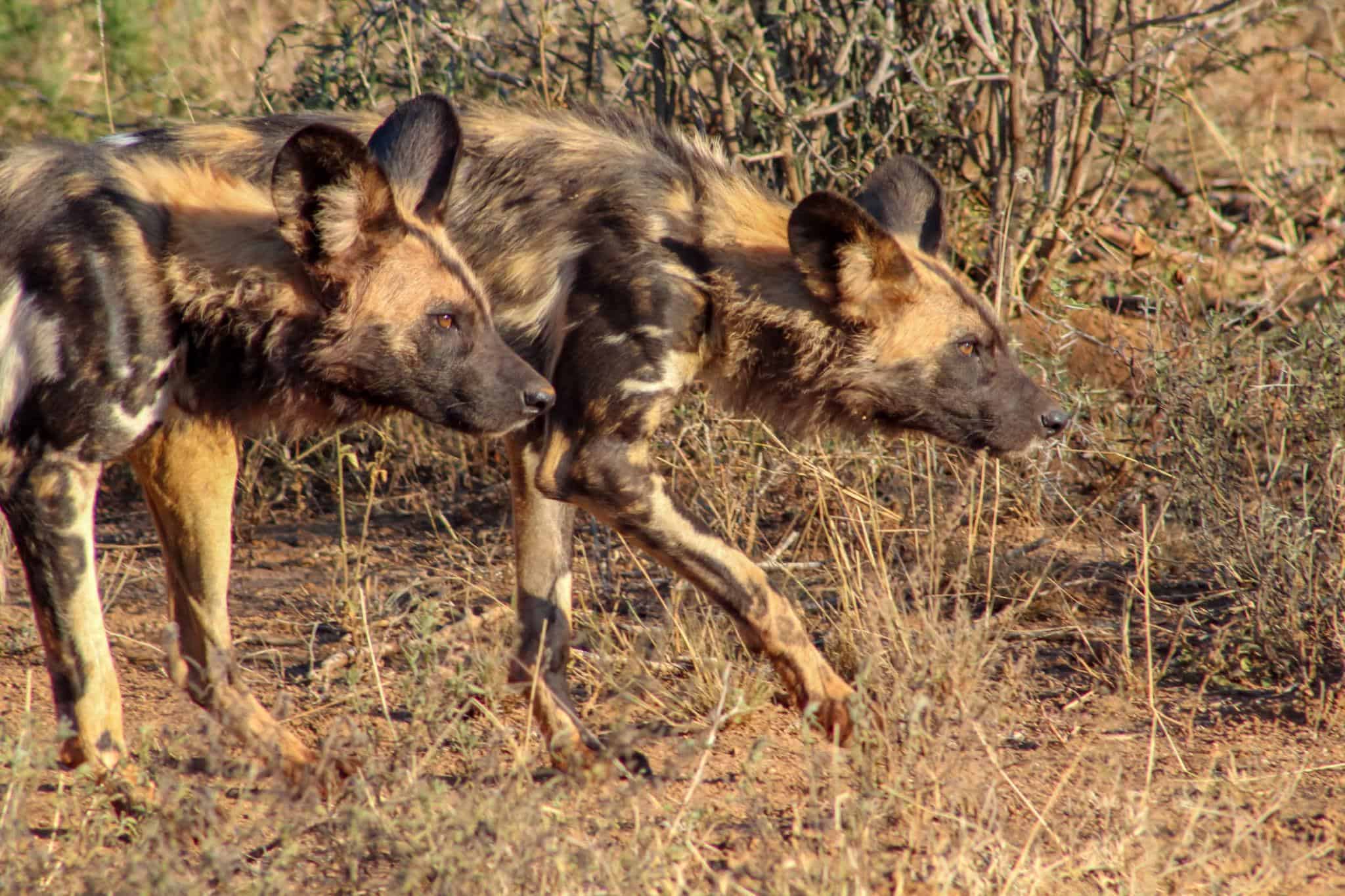
For close, considered big-cat photography, Sabi Sand is hard to surpass. This private reserve shares an unfenced boundary with Kruger National Park, allowing wildlife to move freely while limiting vehicle numbers around sightings. Off-road tracking is permitted in many areas, which can create intimate angles on leopards, lions, and African wild dogs.
This is a polished safari experience, often with high-quality lodges, experienced trackers, and excellent guiding. It is also one of the pricier options on this list. Photographers who value time with individual animals, flexible game drives, and expert help positioning for the light may find the investment worthwhile. Ask before booking whether the lodge limits vehicles at sightings and whether private vehicles are available.
4. Etosha National Park, Namibia
Etosha is a lesson in space, contrast, and restraint. Its vast salt pan creates pale, minimalist horizons, while wildlife gathers around waterholes in the dry months. Elephants, black rhinos, lions, springbok, and giraffes can often be photographed against uncluttered backgrounds that feel distinctly Namibian.
The dry season, from about June to October, is prime for concentrated wildlife viewing. Dust is part of the visual language here, especially in late afternoon, and it can add atmosphere to backlit images. Etosha also works well for self-drive travelers who want more independence. That freedom comes with responsibility: know the park rules, allow extra time at sightings, and avoid crowding animals just to get a closer frame.
5. Chobe National Park, Botswana
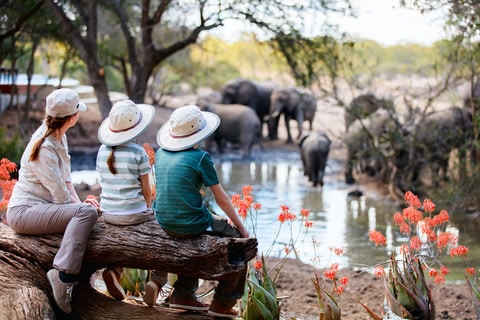
Chobe is famous for elephants, and photographing them from the water changes everything. A boat safari on the Chobe River places you at eye level with animals drinking, bathing, feeding along the banks, and sometimes swimming between islands. The river also brings hippos, crocodiles, kingfishers, fish eagles, and a remarkable range of waterbirds into the frame.
September and October can be exceptionally productive as dry conditions draw wildlife to the river, though the heat can be intense. Plan both boat and vehicle safaris if you can. Boats offer lower perspectives and clean backgrounds, while vehicles are better for cats and mammals deeper in the woodland.
6. Moremi Game Reserve and the Okavango Delta, Botswana
The Okavango Delta offers a different kind of safari image: elephants reflected in still channels, red lechwe splashing through shallow water, painted dogs moving through golden grass, and mokoro canoes gliding past papyrus beds. Its mosaic of islands, floodplains, and forests keeps the scenery varied even on a single game drive.
Water levels do not always align with rainfall, so timing requires a little research. The delta often floods between June and August, creating classic water-based scenes during Botswana’s dry season. Moremi and nearby private concessions suit photographers who want wildlife and landscape to share equal space in the image. The trade-off is cost, especially in fly-in camps, but mobile safaris and selected public campsites can make the region more accessible.
7. Hwange National Park, Zimbabwe
Hwange has a quiet confidence that experienced safari travelers appreciate. It is Zimbabwe’s largest national park, known for large elephant herds, strong lion populations, and productive waterholes. The landscape shifts between teak woodland, open grassland, and sandy plains, giving photographers more variety than they may expect.
Dry-season waterhole hides are a major advantage. Instead of shooting down from a vehicle, you can photograph elephants and other wildlife at ground level as they come to drink. This setting calls for patience and a willingness to stay put. A single afternoon at a well-positioned hide can produce more natural behavior than a fast-moving game drive.
8. South Luangwa National Park, Zambia
South Luangwa is made for photographers who enjoy the unfolding story rather than a checklist. The Luangwa River, oxbow lagoons, and ebony groves draw huge concentrations of hippos, elephants, buffalo, and antelope. Leopards are particularly well known here, often becoming active around the cooler hours of early morning and late afternoon.
Zambia’s walking safaris add another dimension, though they are not designed around carrying large camera kits or approaching dangerous animals for close images. Think of a walk as a way to improve your field awareness: tracks, bird calls, insect life, plant textures, and the small details that give a safari portfolio depth. Combine walks with vehicle drives for the best balance.
9. Volcanoes National Park, Rwanda
A mountain gorilla encounter is unlike a vehicle safari. The forest is dense, the light is challenging, and the hour with a habituated gorilla family passes quickly. Yet the reward is an intensely personal kind of wildlife photography: a silverback framed by bamboo, a juvenile tumbling through vines, or a mother holding her infant close.
Bring a camera setup you can manage on a steep, muddy trek. A versatile zoom lens is often more useful than a very long lens, and a rain cover is essential. Rwanda’s gorilla permits are expensive, but permit fees support conservation and local communities connected to the park. Book well ahead, then add a few flexible days to your itinerary in case weather affects conditions.
10. Kgalagadi Transfrontier Park, South Africa
For dramatic predator portraits and desert color, Kgalagadi stands apart. This red-dune landscape straddles South Africa and Botswana, with dry riverbeds serving as natural wildlife corridors. Black-maned lions, cheetahs, leopards, raptors, and sociable weavers are all possible subjects, often against clean, warm-toned backgrounds.
The park favors photographers comfortable with self-driving and long periods between sightings. It is less about constant animal density and more about waiting for a powerful scene to emerge from an immense landscape. Early morning and late afternoon light can turn the dunes deep orange, while winter nights bring extraordinary stars for travelers who also enjoy night-sky photography.
How to Choose the Right Safari for Your Camera
Start with the images you actually want to make. If big cats are your priority, Sabi Sand, the Maasai Mara, and South Luangwa deserve attention. For elephant behavior, choose Chobe, Hwange, or Etosha. For wildlife in a landscape that feels as important as the animals, look toward Namibia, the Okavango Delta, or Kgalagadi. Rwanda is the clear choice for primates and forest encounters.
Do not overlook logistics. Private reserves can offer closer approaches and flexible driving, but public parks may suit travelers with tighter budgets or a preference for self-drive freedom. A safari vehicle with only a few guests gives photographers more room to switch sides and work with the light. Even more valuable is time: three or four nights in one ecosystem usually produces better images and a richer experience than hopping between parks every day.
Pack for changing conditions, protect gear from dust, and bring extra batteries and memory cards. More importantly, keep your expectations generous. Wildlife photography is built on uncertainty. The missed leopard, the rainstorm, and the elephant that turns away may become part of the story – while the unexpected moment you did not plan for is often the image you remember most.
Travel deeper, stay longer, and let the destination set the pace. Africa’s strongest safari photographs begin not with a perfect shot list, but with attention to the land, the animals, and the people who know how to read both.