Safari Travel Trends 2026 Worth Watching
A safari is no longer defined only by the Big Five checklist. Travelers planning Africa in the year ahead are asking sharper questions: Who benefits from my visit? How much time do I need to experience a place properly? Can a wildlife trip also bring me closer to the people, food, and stories of a destination?
That shift sits at the heart of safari travel trends 2026. The demand is moving toward journeys with more intention – fewer rushed stops, stronger local connections, and experiences that make conservation feel real rather than promotional. For travelers, that creates exciting choices, but it also means planning with more care.
Safari Travel Trends 2026 Are Becoming More Intentional
The strongest trend is not a flashy new lodge feature or a single viral destination. It is the decision to travel deeper. Instead of trying to cover Kenya, Tanzania, Botswana, and South Africa in one short vacation, more travelers are choosing one or two regions and staying long enough to understand the landscape.
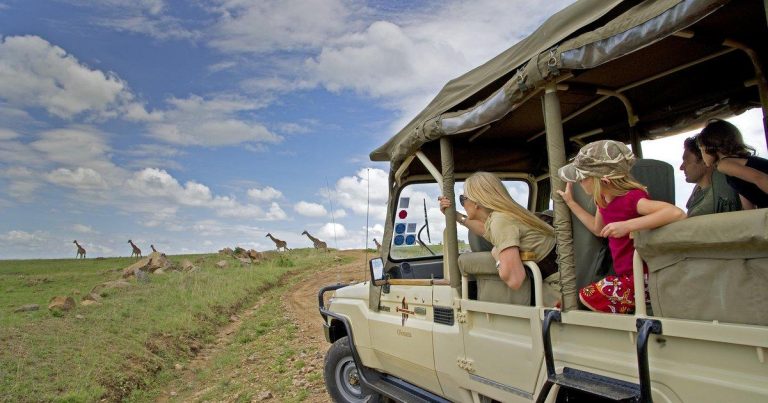
A five-night itinerary in the Greater Kruger can now include game drives, a guided bush walk, a community craft visit, and unhurried time at camp. In Namibia, travelers are pairing desert wildlife with conservation areas and coastal towns rather than treating the country as a quick photo stop between flights. Rwanda remains especially compelling for those who want primate encounters alongside a close look at the country’s cultural renewal and mountain communities.
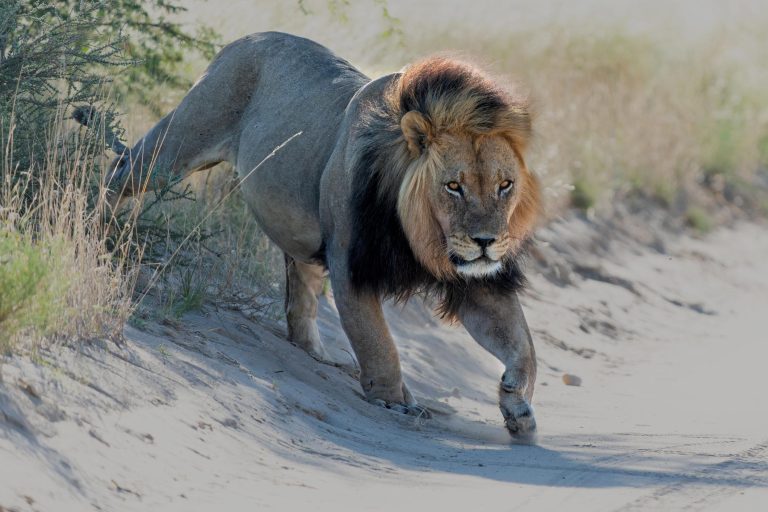
This is good news for the traveler. Wildlife sightings cannot be scheduled, and a slower pace leaves room for the surprising moments that often define a safari: elephants crossing the road at sunset, a guide reading fresh leopard tracks, or a conversation around the fire that changes how you see a place.
The trade-off is simple. Going slower may mean seeing fewer parks or paying more per day for a well-located camp and private guiding. Yet it often delivers a more memorable trip than a packed route with constant transfers.
Local Guides Are Central, Not an Add-On
Travelers increasingly recognize that the best safari vehicle is only as good as the person guiding it. In 2026, expert local guiding will continue to be a major part of how people choose camps, tour operators, and itineraries.
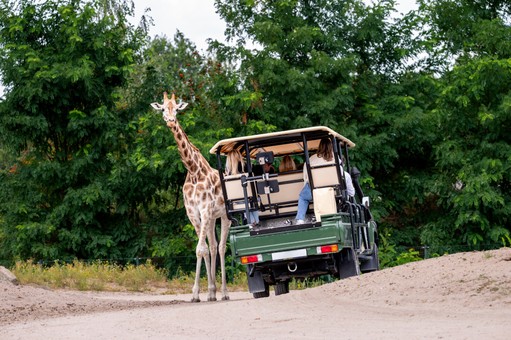
A skilled guide does much more than spot wildlife. They can explain why wild dogs move the way they do, identify birds by sound, put animal behavior into the context of season and habitat, and share the human history of the land. In places such as South Africa, Namibia, and The Gambia, locally rooted guides can also connect a nature-focused itinerary to living traditions, regional food, and community stories.
Ask who leads the activities, whether guides are employed year-round, and how much flexibility the itinerary allows. Small-group drives and private vehicles tend to offer more room for questions and longer time at sightings. They cost more than a large shared vehicle, but for photographers, families, and first-time safari travelers, that difference can be worth it.
Cultural Experiences Need Context and Respect
Cultural tourism is growing alongside safari travel, but travelers are becoming more alert to the difference between a meaningful exchange and a staged stop. The better experiences are usually hosted or shaped by community members, allow enough time for conversation, and make clear how fees are used.
A village visit should not be treated as entertainment between game drives. It may be a chance to learn about local foodways, craft traditions, conservation employment, or the daily realities of living beside wildlife. Go with curiosity, follow photography guidance, and be prepared to listen more than you speak.
Conservation Claims Will Face More Scrutiny
“Sustainable safari” has become a common phrase, and in 2026 travelers will be right to ask what it actually means. A reusable water bottle and solar panels are positive steps, but they do not tell the whole story.
Look for tangible details. Does the property support habitat protection or anti-poaching work? Are nearby communities involved in tourism revenue, employment, or decision-making? Does the operator limit vehicles at sightings and follow responsible wildlife-viewing distances? Is water use considered in dry regions?
Community conservancies are especially important in parts of East and Southern Africa. They can create a direct link between wildlife protection and local livelihoods, while often offering less crowded game-viewing areas. That does not mean every conservancy stay will fit every budget. Some are positioned at the luxury end of the market, while other community-based options are simpler and more affordable. The key is choosing based on transparency and fit, not a vague eco label.
Shoulder Seasons Are Getting Their Moment
Peak safari months still have clear advantages. Dry-season conditions often make wildlife easier to find, and travelers seeking the Great Migration or peak gorilla trekking windows may need to plan around specific dates. But safari travel trends 2026 also point to rising interest in shoulder-season trips.
Traveling just before or after the busiest period can bring greener scenery, lower rates in some areas, and fewer vehicles around sightings. In southern Africa, the start of the rains transforms dusty landscapes and brings dramatic skies. Birders benefit from migratory species, while photographers may prefer the color and softer light of the green season.
There are practical drawbacks. Rain can affect road conditions, mosquitoes may be more present in certain destinations, and vegetation can make animals harder to spot. A shoulder-season safari works best for travelers who value atmosphere, birds, scenery, and value as much as concentrated big-game viewing.
Smaller Camps and Private-Use Stays Will Keep Growing
After several years of travelers seeking space and flexibility, intimate safari camps remain highly desirable. Many couples, multigenerational families, and groups of friends are choosing small lodges or private-use villas where daily rhythms can be adapted around their interests.
For a family, that might mean later morning departures, child-friendly bush activities, and meals that do not run on a formal lodge schedule. For a group of photographers, it can mean staying at a leopard sighting longer rather than returning for a fixed breakfast. Private-use properties are not automatically better, though. They can raise the total trip cost quickly, especially during school vacations.
A smaller camp with shared activities may offer much of the same personal attention at a more approachable price. Ask about the number of guests, vehicle capacity, and whether the camp guarantees a maximum number of people per game drive.
Rail, Road, and Multi-Region Journeys Add Texture
Safari itineraries are expanding beyond fly-in routes. Light aircraft remain valuable for reaching remote concessions and reducing long road transfers, but more travelers want to experience the distances between wildlife areas. Scenic self-drives in Namibia and South Africa, guided overland routes, and rail segments are adding texture to safari planning.
This approach works particularly well when time is not tight. A road journey can reveal small towns, roadside markets, desert viewpoints, and landscapes that a flight passes over. It also gives travelers a more grounded sense of scale.
Still, not every route should become a self-drive adventure. Some border crossings, remote roads, and unfamiliar driving conditions are better handled with a local driver-guide. The right choice depends on confidence, available time, and how much energy you want to devote to logistics rather than the experience itself.
Planning Earlier Will Matter, but Flexibility Still Wins
The most sought-after camps, private guides, and small-group departures can book far ahead, especially for high-season travel and school-break dates. If a specific lodge, migration period, or gorilla permit is central to your trip, start planning well in advance.
At the same time, leave room for the unexpected. Build in a buffer night before an international departure, avoid stacking every day with activities, and do not judge a safari only by a species list. Weather shifts, animal movement, and local events can reshape a plan. That is not a failure of the itinerary. It is part of traveling in places that remain genuinely wild.
The best 2026 safari may not be the one with the most pins on a map. Choose the journey that gives you time to notice, guides you can learn from, and a meaningful reason to care for the places you came to see. Travel deeper. Discover more.