8 Drakensberg Hiking Routes Worth the Climb
The Drakensberg does not reward rushed travel. A trail may begin beside a quiet river, rise through grassland and protea, then lead into a world of basalt cliffs, high-altitude weather, and views that make the climb feel secondary. The best Drakensberg hiking routes range from relaxed half-day walks to serious multi-day traverses, so choosing the right one matters as much as packing the right boots.
This mountain range is vast, stretching along South Africa’s eastern escarpment and including the uKhahlamba-Drakensberg Park World Heritage Site. Its appeal is not just scenery. Hikers encounter San rock art, mountain streams, remote valleys, and communities whose relationship with these landscapes reaches far beyond recreation. Whether you are building a South Africa itinerary around a few memorable hikes or planning a dedicated mountain escape, these routes offer a strong place to start.
Drakensberg Hiking Routes for Every Kind of Hiker
Tugela Gorge Trail, Royal Natal National Park
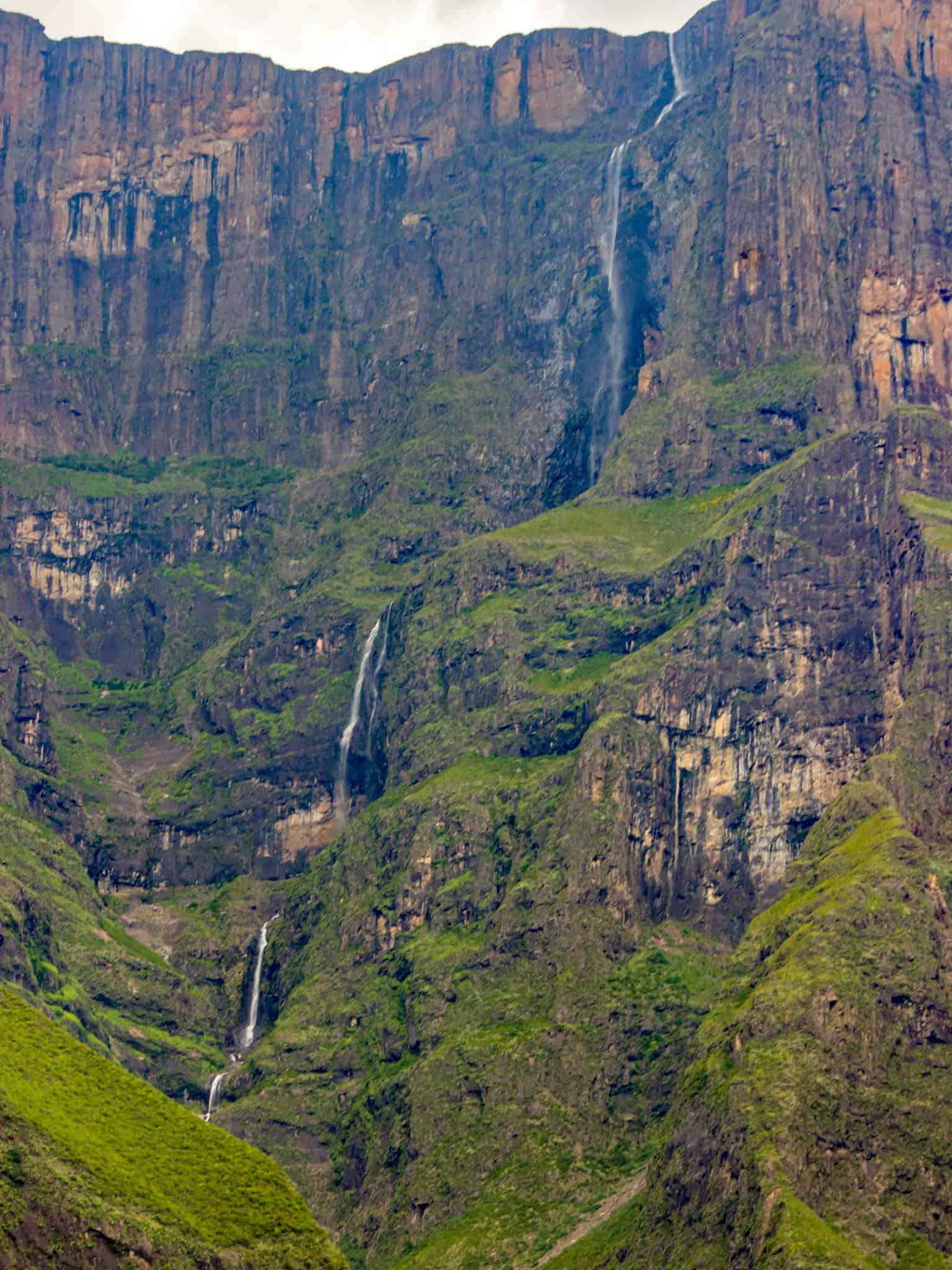
Tugela Gorge is one of the most rewarding introductions to the northern Drakensberg. The route follows the Tugela River toward the enormous Amphitheatre, a near-vertical cliff face that dominates the horizon long before you reach the gorge itself. It is generally considered a moderate day hike, with a round-trip distance of roughly 8 to 9 miles depending on how far conditions allow you to go.
The final section can involve scrambling over boulders and, in wetter periods, wading through shallow water. That is part of the fun for confident hikers, but it can be uncomfortable for anyone expecting a smooth walking path. Wear shoes with grip, carry a dry bag for electronics, and turn back if water levels are high. The trail is especially good for travelers staying near the Royal Natal area who want dramatic scenery without committing to an overnight trek.
Sentinel Peak and the Amphitheatre Chain Ladders
For a classic high-Drakensberg experience, the Sentinel Peak route delivers. This hike begins at a high trailhead near Witsieshoek and climbs steadily toward the top of the Amphitheatre. The well-known chain ladders provide access to the escarpment, where hikers can look toward Tugela Falls and across a huge sweep of mountain country.
Expect a demanding day, usually around 7 to 8 miles round trip, with exposed terrain and rapidly changing weather. The chain ladders are secure but not for everyone. If you dislike heights, have limited hiking experience, or are traveling with young children, choose Tugela Gorge instead. When conditions are clear, however, this route offers one of the most cinematic viewpoints in South Africa.
The Sphinx and Crystal Falls, Monk’s Cowl
Monk’s Cowl is a smart choice for travelers who want mountain character without a punishing ascent. The hike to the Sphinx and Crystal Falls is a manageable route through forested sections and open grassland, with views of the distinctive rocky Sphinx formation. It can be completed as a shorter outing or extended with nearby trails if you have more time.
This is one of the better options for families, first-time Drakensberg visitors, and travelers who are adjusting to South Africa’s altitude and summer heat. It is still mountain terrain, so do not mistake “easier” for effortless. Start early, carry water, and allow time to pause at the falls rather than treating the trail as a race.
Cathedral Peak Summit
Cathedral Peak is for hikers who want a full mountain day and have the fitness to earn it. The summit route climbs steeply through changing landscapes, eventually reaching a narrow, rocky finish beneath one of the central Drakensberg’s most recognizable peaks. The distance is commonly around 11 miles round trip, and most groups should allow seven to nine hours.
This is not the hike to attempt after a late night at the lodge or in unstable weather. It requires stamina, sound footing, and confidence on steep ground. A local guide is a sensible investment for less experienced mountain hikers, especially because mist can erase landmarks quickly. On a clear day, the views over the Cathedral Peak area are extraordinary, with ridges and valleys unfolding in every direction.
Giant’s Cup Trail, Southern Drakensberg
The Giant’s Cup Trail is the route to consider when a single summit is not enough. This multi-day hike runs through the southern Drakensberg over approximately 37 miles, usually completed in five days. Rather than chasing extreme altitude, it moves through rolling foothills, valleys, streams, and open country with the escarpment as a constant backdrop.
It is a particularly appealing choice for travelers who enjoy walking holidays and want time to settle into the rhythm of the mountains. Daily distances are achievable for reasonably fit hikers, though weather, wet boots, and cumulative fatigue make preparation essential. Accommodation and trail arrangements need to be organized in advance, and a shuttle plan is often required because the trail does not finish where it starts.
Mnweni Pass and Rockeries, for Experienced Trekkers
The Mnweni area feels wilder than many of the Drakensberg’s more established hiking zones. Routes here lead toward rugged passes, dramatic rock formations, and remote escarpment country, with fewer developed facilities and less obvious trail marking. Rockeries and Mnweni Pass are often part of multi-day backpacking itineraries rather than casual day hikes.
This is where local knowledge becomes especially valuable. Conditions change, trail lines can be unclear, and hikers need to be fully self-sufficient. Travel with an experienced guide or a group that knows the area, carry proper navigation tools, and arrange transport before setting off. The trade-off for the extra planning is solitude and a deeper sense of the Drakensberg as a living, untamed landscape.
How to Choose the Right Drakensberg Hike
Your ideal route depends on more than fitness. A traveler with excellent endurance but little experience with exposure may enjoy Tugela Gorge far more than the chain ladders. Someone looking for cultural depth may prefer a guided hike that incorporates San rock art sites, while a couple with five days available might find the Giant’s Cup Trail more memorable than a single summit push.
Think about the type of trip you want. Northern routes around Royal Natal are ideal for big cliff scenery and dramatic viewpoints. Central areas such as Monk’s Cowl and Cathedral Peak offer a broad mix of day hikes and challenging summits. The southern Drakensberg suits travelers looking for longer trails, quieter landscapes, and a slower pace.
Guides are not mandatory on every route, but they can add real value. Beyond route-finding and safety, a knowledgeable local guide can explain mountain ecology, regional history, and the cultural importance of the landscape. This is especially meaningful in an area where San rock art and heritage sites deserve more than a quick photograph.
When to Hike in the Drakensberg
April through May and September through October are often the most comfortable hiking windows. Days are generally pleasant, the light is beautiful, and afternoon storms are less common than in peak summer. Winter, from June through August, can bring crisp, clear days and excellent visibility, but nights can be extremely cold and snow is possible at higher elevations.
Summer brings green slopes, full waterfalls, and dramatic skies, but also heat, slippery paths, and thunderstorms that can build quickly in the afternoon. If hiking from November through March, begin early and avoid high, exposed terrain when storms are forecast. Lightning on the escarpment is a serious risk, not a photo opportunity.
Practical Planning Before You Set Out
Many Drakensberg trails require a permit, registration, or entrance fee, particularly within protected park areas. Rules, trail conditions, and access points can change, so confirm current arrangements directly with the relevant reserve or accommodation before you travel. Tell someone where you are going and what time you expect to return, even on popular routes.
For any full-day hike, bring more water than you think you need, sun protection, warm layers, rain protection, a headlamp, snacks, and an offline map or navigation device. Mountain weather can shift from warm sunshine to cold mist in a matter of minutes. Cell service is unreliable in many valleys, so do not depend on your phone for navigation or help.
Respect the landscape as you walk. Stay on established paths where possible, carry out all waste, and never touch or mark rock art. The Drakensberg is not simply a backdrop for adventure. It is a protected cultural landscape, shaped by generations of people and by the powerful natural systems that still define it.
Choose one route that stretches you without putting you beyond your experience, then give it the time it deserves. In the Drakensberg, the best moments often arrive after the viewpoint: a quiet stream crossing, a conversation with a local guide, or the slow descent as the cliffs catch the last light.