Africa Cultural Travel Guide for Meaningful Trips
The call to prayer floating over Zanzibar Stone Town, a storyteller holding a courtyard quiet in The Gambia, the sharp rhythm of a Kigali dance performance – these are the moments that stay with you long after a safari photograph fades. This Africa cultural travel guide is for travelers who want more than a checklist of landmarks. It is about planning a trip that makes room for living traditions, real conversations, extraordinary food, and the people who give every destination its character.
Africa is not one culture, one landscape, or one travel experience. It is a continent of thousands of languages, belief systems, histories, and creative traditions. The best cultural trips do not try to see it all. They choose a few places with care, travel at a slower pace, and approach each encounter with curiosity rather than expectation.
Start With the Kind of Cultural Experience You Want
Cultural travel can mean very different things depending on the country, region, and your own interests. A heritage-focused itinerary might follow ancient Egypt through Cairo, Luxor, and Aswan, with time to understand the people and communities around the monuments. A food-led journey may take you through Cape Town’s Cape Malay neighborhoods, local markets, and family-run restaurants. In Rwanda, culture often comes through craft cooperatives, traditional music, coffee experiences, and conversations that place the country’s recent history in context.
Before choosing destinations, decide what you hope to feel and learn. Are you drawn to historic cities, contemporary art, music, faith, food, textiles, or rural life? Do you want a few guided experiences alongside independent wandering, or do you prefer an itinerary built around local hosts? This decision shapes everything from your budget to the best time of year to travel.
A single country can offer striking contrasts. South Africa pairs museums and township-led tours in Johannesburg with the Winelands, Xhosa cultural experiences in the Eastern Cape, and the layered food scene of Cape Town. Namibia offers a very different rhythm: vast desert landscapes, Himba cultural contexts in the north, and communities whose traditions should be approached through knowledgeable local guides. Neither experience is more “authentic.” They simply ask for different expectations and planning.
Choose Destinations That Reward Time
For a first cultural journey in Africa, avoid building an itinerary around too many border crossings. Flights can be limited, road distances are often longer than they look, and meaningful encounters cannot be rushed between airport transfers.
Egypt is ideal for travelers interested in deep history, religious heritage, and daily life along the Nile. Beyond the headline sites, allow time for a walking tour in Islamic Cairo, a visit to Nubian communities near Aswan, and unhurried meals where you can try koshari, ful medames, and regional breads. The trade-off is that major sites can be crowded, particularly in peak season, so an early start and a skilled guide matter.
The Gambia is compact and welcoming for travelers who want culture alongside an easygoing coastal stay. Markets, drumming, river communities, and village visits can all fit into a shorter trip. It is especially well suited to travelers who value conversation and community connection over rushing between famous attractions.
Rwanda works beautifully for a compact, well-organized itinerary that combines gorilla trekking with Kigali’s art, design, food, and memorial sites. The country’s cultural experiences are often polished and accessible, though visitors should give serious historic places the emotional space they deserve rather than treating them as another stop on a busy day.
For a journey that brings wildlife and culture together, consider South Africa, Namibia, Kenya, Tanzania, Botswana, or Zambia. A safari can be a powerful part of an Africa trip, but it should not become the only story. Add time in a city, a community-run conservancy, or a region known for food and crafts. You will come away with a fuller sense of place.
How to Travel Respectfully in Cultural Spaces
A memorable cultural experience is not something you collect. It is an exchange, and travelers have responsibilities within it. That begins with choosing guides, lodges, and tour operators who are connected to the communities they introduce you to. A local guide can explain context that a signboard cannot: why a ceremony matters, what is appropriate to photograph, how a market works, or which questions may be too personal.
Photography deserves particular care. Always ask before taking a close portrait, especially of children, religious gatherings, market vendors, or people in traditional dress. A smile is not always consent. If someone says no, thank them and move on. In some communities, your guide may advise that photos are limited or not appropriate at all.
Dress is another small choice with a large effect. Cities such as Cape Town and Nairobi have varied styles, but modest clothing is still appreciated in religious sites and more conservative communities. Carry a lightweight scarf or cover-up, wear clothing that lets you move comfortably, and follow your guide’s advice for the setting.
It also helps to avoid language that turns people into attractions. Phrases such as “tribal visit” can flatten diverse, modern communities into a stereotype. Name the community where appropriate, learn something about its history, and remember that culture is not frozen in the past. People can wear traditional clothing, use smartphones, run businesses, and live contemporary lives all at once.
Build Food, Music, and Art Into Your Itinerary
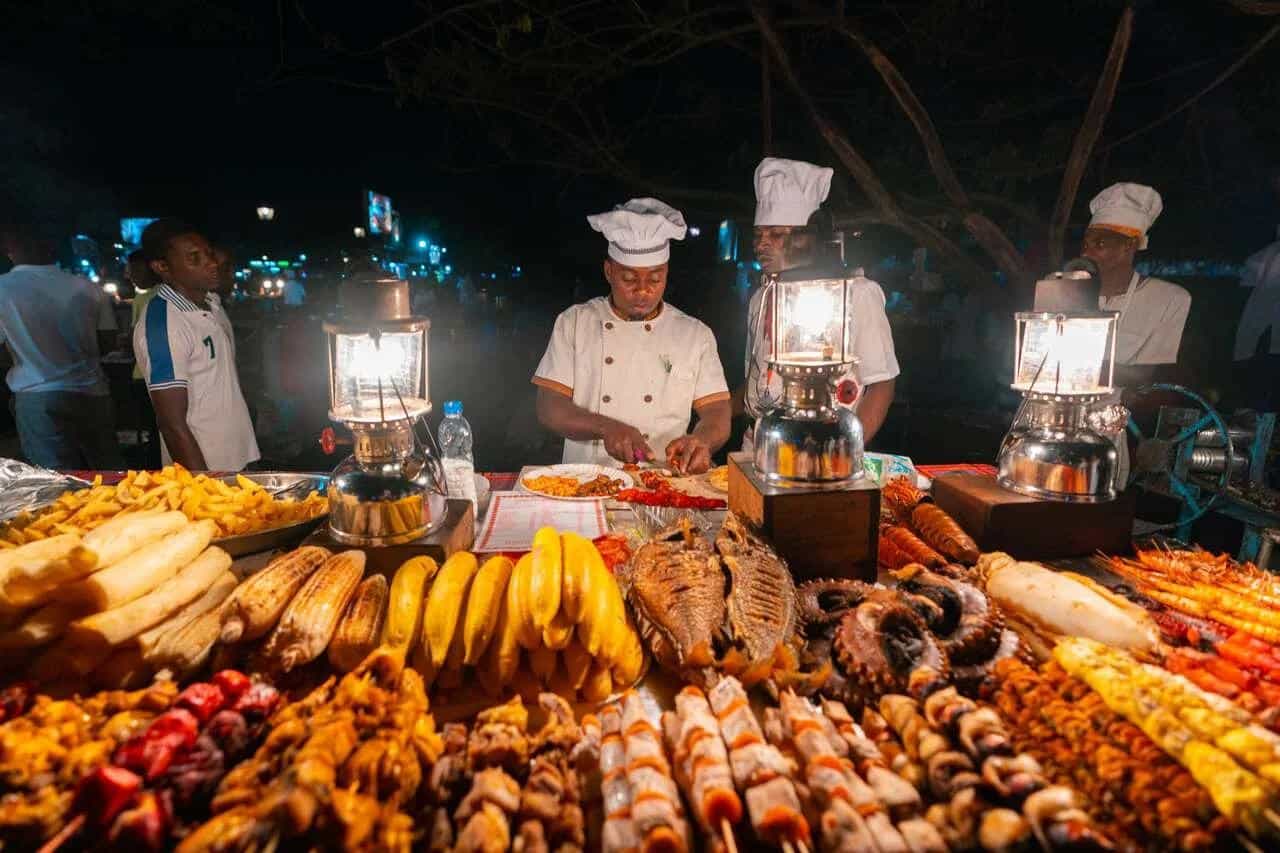
Museums and monuments provide valuable context, but some of the richest cultural moments happen at the table or after dark. Food is often the easiest and most joyful doorway into a destination. Book a cooking class with a local host, eat at busy neighborhood restaurants, and ask what ingredients are seasonal. In Senegal, that might mean thieboudienne; in Ethiopia, shared injera meals; in Morocco, a tagine shaped by local produce and family recipes.
Music and performance need the same thoughtful approach. Seek out venues that pay artists fairly, community festivals, and performances recommended by trusted local guides. If you are invited to join a dance, do so with enthusiasm, but let hosts set the pace. You are participating in a living tradition, not auditioning for a travel video.
Art spaces can reveal a destination’s present as clearly as historic sites reveal its past. Spend an afternoon at galleries and studios in Kigali, Cape Town, Accra, Lagos, or Marrakech. Buy directly from artists when you can, ask about the story behind the work, and be realistic about what you can carry home. A small handmade piece with a known maker often means more than a suitcase full of generic souvenirs.
Practical Planning for an Africa Cultural Travel Guide
The right timing depends on your destination and priorities. Dry seasons can make wildlife viewing easier and roads more manageable, but they may also bring higher prices and more visitors. Festival periods offer a concentrated window into music, religion, fashion, or harvest traditions, yet accommodations can sell out early and schedules may change. If a festival is central to your trip, arrive a day or two ahead and keep your plans flexible.
Budget beyond the basic tour price. Set aside money for guides, crafts, meals, community fees, and tips. Cheap experiences are not always good value if the people hosting them are poorly paid or if the visit feels staged and rushed. On the other hand, high prices do not automatically guarantee meaningful access. Ask what is included, who leads the experience, how long you will spend there, and whether the community benefits directly.
Learn a few local greetings before you arrive. You do not need fluency to show respect. A greeting in Kinyarwanda, Arabic, Swahili, Wolof, Afrikaans, or another local language can open a conversation, particularly when paired with patience and good humor. English is widely used in many tourism settings, but it should not be assumed everywhere.
Finally, leave open space in your schedule. A long tea break, an invitation to hear a family story, or a recommendation for a neighborhood restaurant may become the most valuable part of the journey. Damtos Adventure believes travel goes deeper when travelers make room for these unscripted moments.
Let Curiosity Lead, Not Comparison
There is no single correct way to experience Africa. Some travelers will want a private guide and carefully planned route; others will feel most alive navigating local buses, markets, and guesthouses. Safety, language comfort, available time, and destination infrastructure all affect the right choice.
What matters is arriving ready to listen. Ask thoughtful questions, support local businesses, and let each place be itself rather than measuring it against somewhere you have already been. Plan well, then leave enough room for the unexpected conversation, meal, song, or shared laugh that turns a good trip into a personal one.