South Africa Food Travel Guide for Curious Eaters
A plate of fragrant Cape Malay curry in Bo-Kaap, a just-grilled boerewors roll at a weekend market, and a slow lunch among Stellenbosch vines can all happen in one South Africa itinerary. This South Africa food travel guide is for travelers who want those meals to mean more than a checklist. The country’s cooking carries the stories of Indigenous communities, Dutch and British settlement, enslaved people brought from Southeast Asia and East Africa, Indian migration, and generations of regional farming.
Food is not a single national experience here. Cape Town’s restaurant scene is polished and global, Durban is shaped by Indian flavors, and a braai in Johannesburg or the Eastern Cape is often as much about welcome and conversation as the meat on the fire. Plan for contrast, eat with curiosity, and leave room for the meals you did not schedule.
How to Plan a South Africa Food Travel Guide
The best approach is to pair food regions with the journey you already want to take. Cape Town works beautifully before or after a safari because it offers markets, neighborhood restaurants, winelands, and ocean views within easy reach. Durban deserves dedicated time if you love spice and Indian South African cooking. Johannesburg is ideal for urban food culture, contemporary African restaurants, and township experiences.
For a first trip, give Cape Town four or five nights, then add two nights in the Cape Winelands. If you are heading to Kruger, consider a night or two in Johannesburg on either side of the safari. Travelers with ten days or more can build a richer route: Cape Town, the Winelands, the Garden Route, and a safari reserve, or Cape Town, Johannesburg, and Durban.
Restaurant culture is strongest in major cities and wine towns, but some of the most memorable meals come through a local guide, guesthouse host, or small family-run kitchen. Ask who cooks dishes from the area, rather than simply asking for the “best restaurant.” That small shift often leads to more grounded recommendations.
Book the experiences that need planning
Fine-dining restaurants in Cape Town and the Winelands can fill weeks ahead in high season, particularly from December through March. Reserve special meals early. Food tours, cooking classes, and township dining experiences are also worth arranging in advance when they are run by reputable local hosts.
Keep other meals flexible. A morning market, roadside farm stall, or neighborhood café is better enjoyed without a tight reservation schedule. If you are self-driving, do not plan a wine tasting immediately before a long drive. Designate a driver, join a guided tasting, or stay overnight nearby.
The Dishes Worth Seeking Out
South African food rewards travelers who look beyond familiar grilled meat and wine. Start with biltong, air-dried cured meat usually made from beef or game, sold at butcher shops, markets, and grocery stores. It is a practical road-trip snack, although the texture and seasoning vary widely. Droëwors, a dried sausage, is another favorite for the car.
A braai is the country’s beloved social cookout. You may find lamb chops, chicken, steak, boerewors sausage, pap – a maize porridge – and chakalaka, a spicy vegetable relish. The key experience is not ordering a plate and leaving. When invited to a braai, arrive ready to linger, offer to bring a drink or side dish if appropriate, and follow your host’s lead.
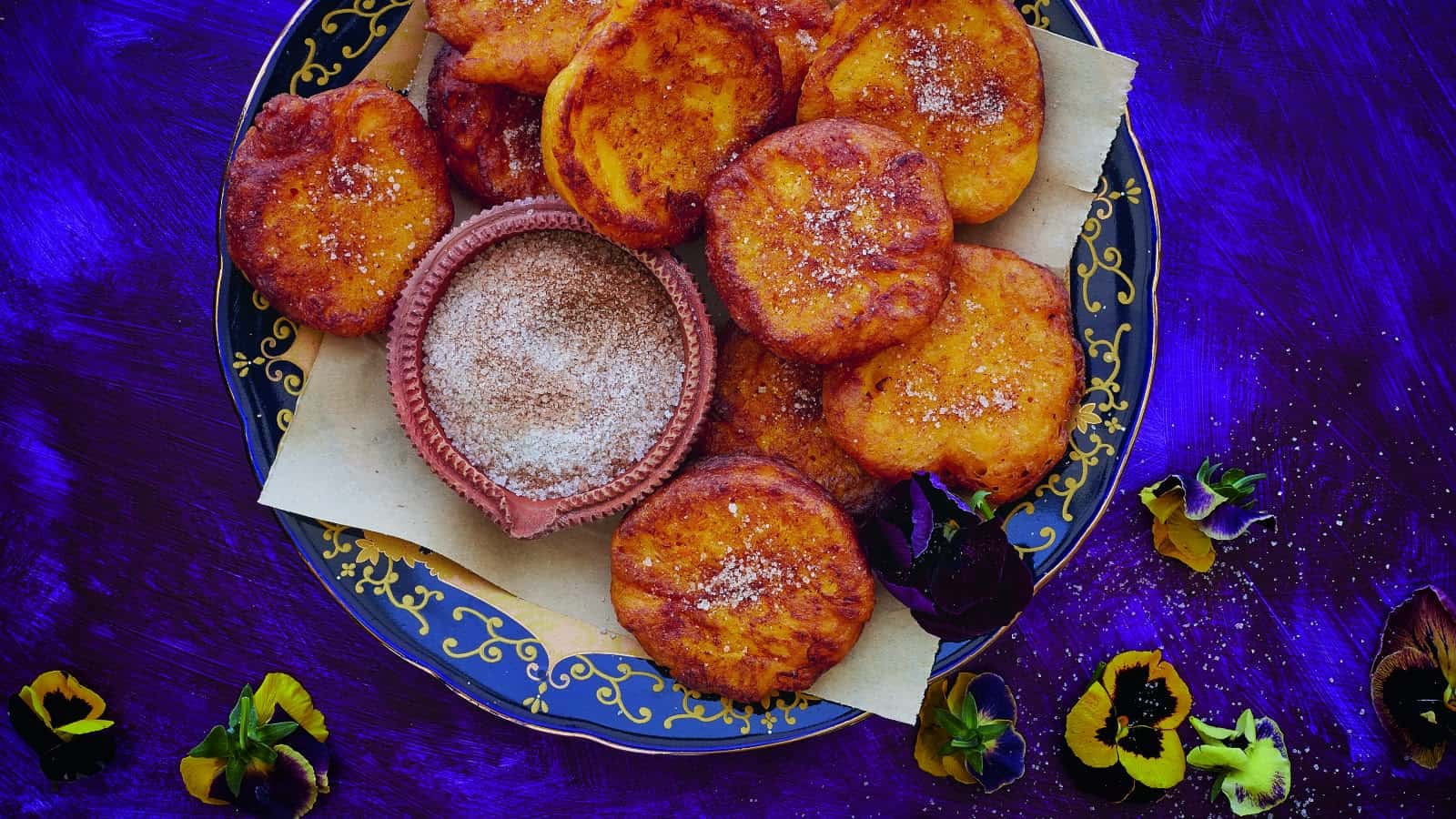
In Cape Town, seek out Cape Malay cooking. Dishes such as bobotie, a gently spiced minced-meat bake topped with an egg custard, reflect a deep and complex Cape Muslim heritage. Also try denningvleis, a sweet-sour lamb stew, and koesisters, syrupy spiced doughnuts often associated with Sunday mornings. Do not confuse Cape Malay koesisters with the plaited, coconut-coated koeksisters found elsewhere in South Africa. Both are excellent, but they come from different traditions.
Durban is the place for bunny chow: a hollowed-out loaf filled with curry. Despite the name, it contains no rabbit. This filling, affordable street-food classic emerged from the city’s Indian South African community and is best eaten with your hands, tearing off pieces of bread as you go. Durban curries can carry serious heat, so ask about spice levels if needed.
Along the coast, look for snoek, a flavorful local fish often smoked or grilled, plus calamari, mussels, and line-caught fish where available. Inland menus may feature venison such as kudu, springbok, or ostrich. Game can be delicious, but quality depends on sourcing and preparation. Choose restaurants that can tell you where the meat comes from, especially when ordering less familiar species.
Eat by Region, Not Just by Restaurant
Cape Town and the Winelands
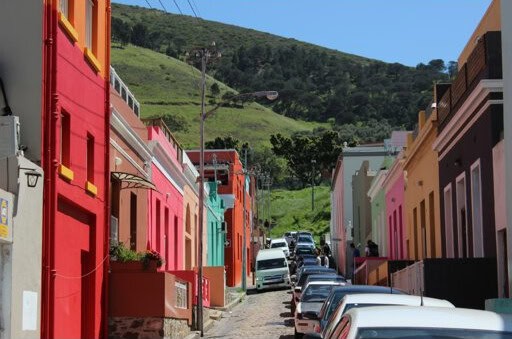
Cape Town is the easiest place to sample the country’s range in a short time. Spend one day around Bo-Kaap and central neighborhoods for Cape Malay flavors, another at a market or casual food hall, and one evening on a restaurant that highlights South African produce. The city’s dining rooms can be inventive without losing their connection to local ingredients: fynbos herbs, seafood, heritage grains, and seasonal fruit.
The Winelands are more than a tasting-room detour. Stellenbosch has the greatest choice of restaurants and a lively university-town feel. Franschhoek leans romantic and culinary, with a higher concentration of destination dining. Paarl is often less crowded and can feel more relaxed. Pick your base according to your travel style, not prestige alone.
South African wine is exceptionally good value for many US visitors, but do not limit tastings to familiar Cabernet Sauvignon. Try Chenin Blanc, the country’s signature strength, along with méthode cap classique sparkling wine, Pinotage, and cool-climate Syrah. Smaller estates may offer a more personal visit, while larger properties usually provide polished facilities and broader food options.
Johannesburg and the Highveld
Johannesburg’s food scene reflects the energy of a city built through migration. Look for contemporary African dining, neighborhood cafés, and markets where cooks reinterpret traditional ingredients. Soweto can offer meaningful food experiences, especially when visited with a guide who connects a meal to the area’s history and present-day community life.
This is also a good place to try kota, a generously filled sandwich built in a quarter loaf of bread. It is unapologetically messy, substantial, and best approached as lunch rather than a light snack. For a more formal meal, seek restaurants that work with seasonal South African produce and give credit to the farmers and communities behind it.
Durban and KwaZulu-Natal
Durban’s Indian South African heritage makes it essential for travelers who follow flavor. Beyond bunny chow, order a proper curry with roti, samoosas, or sugar beans. Indian restaurants range from humble counter-service spots to family dining rooms, and the best choice depends on whether you want an everyday local favorite or a more comfortable sit-down meal.
The KwaZulu-Natal coast also brings tropical produce and seafood into the picture. If you travel north toward iSimangaliso or onward to a safari lodge, ask where to find local fish rather than defaulting to an international menu. At lodges, tell staff in advance if you want to try regional dishes. Many can accommodate the request, but safari kitchens understandably balance local cooking with the preferences of an international guest list.
Markets, Etiquette, and Smart Ordering
Markets are excellent for sampling, but choose busy stalls where food is cooked fresh and turnover is high. Bring a card and some cash in rand, as payment options can differ between vendors. Tap water is generally safe in most major urban and tourism areas, though conditions vary in remote locations and during local infrastructure disruptions. Ask your accommodation staff for current advice instead of relying on assumptions.
Tipping is customary at sit-down restaurants. Around 10 to 15 percent is common for good service, though always check whether a service charge has already been added for larger groups. In casual settings, a small tip is appreciated but not expected in the same way.
When ordering, ask respectful questions. “Is this traditionally served spicy?” or “What would you recommend for someone trying this for the first time?” invites conversation without treating a dish as a novelty. If a host offers food, accepting at least a small taste can be a warm gesture when your dietary needs allow. At the same time, communicate allergies and dietary restrictions clearly. Vegetarian and vegan choices are increasingly easy to find in Cape Town and Johannesburg, while smaller towns may require more advance planning.
Make Space for the Meal You Did Not Expect
South Africa can deliver celebrated tasting menus and beautiful vineyard lunches, but its food culture is most memorable when it becomes part of the place. A chat with the person slicing biltong, a curry recommendation from a Durban local, or a braai invitation can reveal more than any menu description.
Travel deeper by choosing one meal each day with a story attached to it: the neighborhood it comes from, the family who makes it, the farm that grew it, or the tradition it keeps alive. That is how a South African journey stays with you long after the last glass of Chenin Blanc.