Etosha Safari Review Guide for First-Time Visitors
A lion drinking under floodlights while the rest of camp whispers from behind a low stone wall is the image many travelers take home from Etosha. Namibia’s flagship national park is not a safari built around chasing sightings through thick bush. It is a place of vast white horizons, patient wildlife watching, and waterholes that turn waiting into the experience. This Etosha safari review guide will help you decide whether its distinct rhythm is right for your trip.
What Makes an Etosha Safari Different?
Etosha National Park centers on the Etosha Pan, an immense salt pan visible from space. For much of the year, it looks like a pale, shimmering inland sea without water. Around its edges, grassland, mopane woodland, and natural or pumped waterholes create a concentrated wildlife stage.
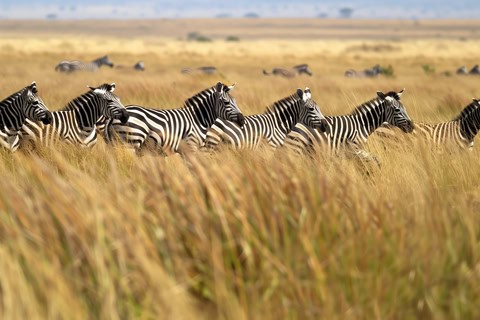
That landscape changes how you safari. In more densely vegetated parks, your guide may track animals along sandy roads or interpret a fresh set of prints. In Etosha, the strongest moments often happen when you stop the vehicle, switch off the engine, and watch what arrives. Zebra gather in nervous lines. Springbok flick through the grass. Elephants approach with deliberate confidence, and predators may appear because the waterhole has drawn in prey.
It is also one of southern Africa’s most rewarding self-drive parks. Roads are generally straightforward, the main camps are well positioned, and wildlife can be excellent without a private guide. That does not mean every drive is easy or every sighting is guaranteed. It means Etosha gives independent travelers a genuine safari rather than a watered-down version of one.
Etosha Safari Review Guide: The Honest Verdict
Etosha is worth prioritizing if you enjoy wildlife, open landscapes, and the freedom to set your own pace. It is especially strong for first-time safari travelers who want a manageable self-drive experience, families who prefer the predictability of rest camps, and photographers willing to work with hard light and long pauses.
The park’s wildlife credentials are serious. You can see elephant, lion, leopard, spotted hyena, giraffe, black rhino, white rhino, blue wildebeest, zebra, and several antelope species. Etosha is particularly renowned for black rhino, although every sighting is a privilege rather than a promise. Birders will find plenty to keep them looking up, especially after rain, when the pan and surrounding plains can attract migratory species and flamingos in suitable conditions.
The trade-off is that Etosha does not feel intimate in the same way as a small private reserve. You may share a famous waterhole with several vehicles in daylight, and the park’s broad roads can make certain areas feel exposed rather than wild. If your dream safari is an off-road, guide-led pursuit through dense habitat with sundowners in the bush, a private reserve elsewhere in Namibia or South Africa may suit you better.
But Etosha’s scale is exactly its appeal. A herd of elephant crossing a flat horizon, with dust lifting behind them and the pan glowing beyond, has a grandeur that a closer encounter cannot replace.
The Waterholes Are the Main Event
Plan your days around waterholes, not simply around distance covered. Each has its own character, and animal activity shifts with weather, season, time of day, and sheer luck. A quiet stop at noon can be extraordinary by late afternoon.
Okaukuejo’s floodlit waterhole is the classic Etosha experience. Guests staying in camp can sit after dark and watch nocturnal activity from a protected viewing area. Black rhino, elephant, and lion are possible, and the darkness adds tension to even an ordinary animal visit. It is one of the few safari moments where you can have a memorable wildlife experience without being in a vehicle.
Halali, roughly between Okaukuejo and Namutoni, has a more enclosed feel and another excellent floodlit waterhole. Its central location makes it practical for breaking up a cross-park journey. Namutoni, in the east, is built around a historic fort and offers access to a different mix of landscapes, including productive eastern waterholes.
Do not race from one famous name to the next. Choose a few stops, bring water and snacks, and give each one time. Wildlife behavior becomes more interesting when you watch the social dynamics: which antelope arrives first, how birds react to a raptor, or how a dominant bull elephant changes the mood at the water’s edge.
When to Go: Dry-Season Drama or Green-Season Space?
For concentrated wildlife viewing, the dry season from roughly June through October is usually the safest choice. Natural water is scarce, so animals rely more heavily on waterholes. Vegetation is thinner, visibility is better, and days are generally sunny. Mornings and evenings can be surprisingly cold, particularly from June through August, so pack warm layers for open vehicles and early starts.
September and October can deliver exceptional sightings, but they are also hot, dusty, and busy. If you are sensitive to heat or prefer less pressure around popular stops, the shoulder months may feel more comfortable.
The green season, generally November through April, brings dramatic skies, fresh grass, newborn animals, and a richer birding experience. The scenery is more colorful, and visitor numbers can be lower. The compromise is that wildlife disperses away from permanent waterholes, roads can be affected after heavy rain, and sightings require more patience. For photographers who value atmosphere as much as predator action, this can be a compelling time to visit.
Where to Stay and How Long to Allow
For most first visits, allow at least two full days inside or directly beside the park. Three nights is better, particularly if you want to travel from the southern gate toward the east without turning every drive into a transfer. A four-night stay gives you room to revisit productive areas and let the park set the pace.
Staying inside a rest camp is about location, not luxury. Rooms and facilities can be functional, and service standards may feel uneven compared with high-end private lodges. In return, you can be on the road at gate opening and use the floodlit waterholes after day visitors have left. Book early for peak dry-season dates, especially if you want a specific camp.
Lodges outside the gates can offer more comfort, better food, and a quieter end to the day. They are a good fit for travelers who value service or want a guided game drive. However, check the driving time to your intended gate. A beautiful lodge far from the entrance can cost you the golden early-morning hours when animals are most active.
Self-Drive Tips That Matter
A standard rental car is often enough on the main park roads, though a higher-clearance vehicle can be more comfortable and reassuring. The essential point is not having the biggest vehicle. It is driving slowly, keeping a generous distance from animals, and accepting that the best sighting may be around the next bend rather than at the place you hurried toward.
Fuel up before entering or whenever you have the opportunity, carry more drinking water than you think you need, and download offline maps in advance. Gate opening and closing times are enforced, so plan your route with daylight and distance in mind. Never leave your vehicle except in designated areas, never feed wildlife, and do not pressure animals by edging too close for a photograph.
If you are traveling with children, set expectations early. Safari is not a nonstop animal parade. Give them binoculars, a simple species checklist, or a role in spotting tracks and birds. The quieter stretches become part of the adventure rather than dead time.
Add Cultural Depth Beyond the Park
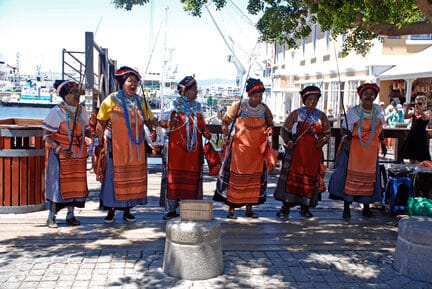
Etosha is a wildlife destination, but northern Namibia offers much more than wildlife alone. Build time around the park for community-led cultural experiences, local craft, and conversations that place the landscape in a broader Namibian context. The regions around Etosha are home to communities with distinct histories and living traditions, including Ovambo, Herero, and Himba people.
Choose experiences led by local residents, ask before taking portraits, and avoid tours that treat culture as a performance detached from real life. A thoughtful itinerary might pair Etosha with a visit to a conservancy area, a locally guided cultural stop, or time in a northern town before continuing toward Damaraland or the Caprivi region.
Etosha rewards travelers who can slow down and look twice. Leave space in your itinerary for the waterhole you did not plan to love, the long silence before an elephant appears, and the kind of wild encounter that cannot be scheduled.