Cape Town or Johannesburg for Your South Africa Trip
The question of Cape Town or Johannesburg is not really about choosing the better city. It is about choosing the South Africa you want to feel first. One gives you mountain trails, ocean horizons, vineyard lunches, and a city that seems built for lingering outdoors. The other puts you close to the country’s most powerful history, a fast-moving creative scene, and some of southern Africa’s best safari country.
For many travelers, the strongest itinerary includes both. But if you have only a few days, or you are deciding where to begin, their differences matter. Cape Town is easier to picture. Johannesburg often rewards the more curious traveler with depth, energy, and a stronger sense of South Africa’s present-day pulse.
Cape Town or Johannesburg: The Quick Answer
Choose Cape Town if you want dramatic scenery, beaches, hiking, wine country, a relaxed visual rhythm, and a first trip that balances city experiences with easy outdoor escapes. It is particularly well suited to couples, families, photographers, food-focused travelers, and visitors with a few extra days to explore the Western Cape.
Choose Johannesburg if cultural history, urban creativity, meaningful local encounters, and safari access are higher on your list. It is a compelling choice for travelers who want to understand South Africa beyond its postcard landscapes, especially if they are continuing to Kruger National Park or a private reserve in the northeast.
Neither city should be treated as a one-note stopover. Cape Town is more than Table Mountain, and Johannesburg is far more than an airport gateway. The right decision comes down to your travel pace, interests, and onward route.
Cape Town: For Landscapes, Food, and Coastal Adventure
Cape Town has a rare ability to make an ordinary day feel cinematic. Table Mountain sits above the city, the Atlantic meets the Cape Peninsula in shifting shades of blue, and neighborhoods unfold between beaches, vineyards, galleries, and historic streets. Even short transfers can come with spectacular views.
Start with the classics, but allow room for slower experiences. Ride or hike Table Mountain when conditions are clear, then explore the colorful homes of Bo-Kaap with attention to its living Cape Malay heritage. Spend time at the District Six Museum for a deeper understanding of forced removals under apartheid, rather than viewing the city only through its scenic highlights.
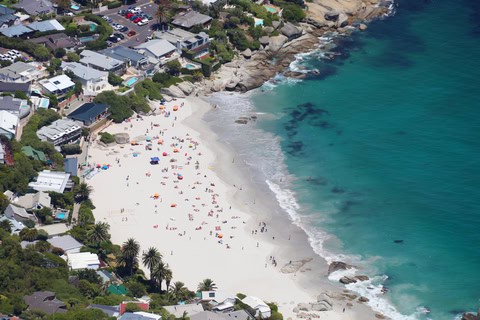
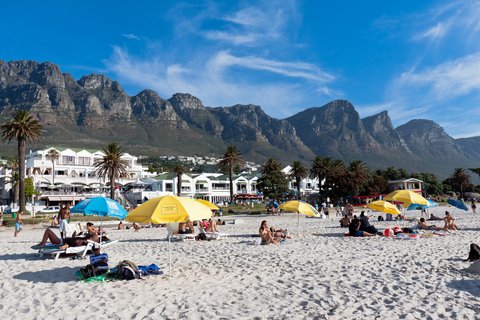
The Cape Peninsula deserves at least a full day. The route south can include Clifton or Camps Bay, the fishing village atmosphere of Kalk Bay, penguins at Boulders Beach, and the rugged roads around Cape Point. If you prefer a more active day, hike in Table Mountain National Park or cycle sections of the peninsula with a local guide.
Cape Town’s food and wine advantage
Cape Town is one of South Africa’s easiest cities for eating well across different budgets. You can find excellent seafood, Cape Malay dishes, modern African cooking, neighborhood cafes, and casual markets without building your whole itinerary around fine dining. Ask about local specialties such as bobotie, samoosas, koeksisters, and bredie, while remembering that food traditions often carry layered histories of migration and community.
The Cape Winelands add another dimension. Stellenbosch, Franschhoek, and Paarl are reachable on day trips, though an overnight stay is more rewarding if your schedule allows. Wineries range from polished estates to smaller, characterful producers, and the best visits pair tastings with a meal, a walk through town, or conversations about the region’s complex agricultural history.
What Cape Town does less well
Cape Town can be expensive in peak summer, especially for well-located accommodation. Its major sights also draw crowds, and weather can change plans quickly. The cableway may close due to wind, beaches can be chilly even on bright days, and the city’s size means you should not assume every attraction is walkable from your hotel.
It also has visible inequality and neighborhoods where travelers need to be attentive. Use established transport, seek local advice before walking unfamiliar areas after dark, and choose community-led tours that prioritize respect over voyeurism.
Johannesburg: For History, Culture, and a Deeper Urban Story
Johannesburg is a city of movement. Gold built it, apartheid scarred it, and a generation of artists, entrepreneurs, chefs, musicians, and designers continues to reshape it. It may not offer Cape Town’s instant scenic drama, but it delivers something equally memorable: context.
A thoughtful visit should begin with Soweto. This is not a single experience or a museum district. It is a vast, living area with distinct communities, businesses, histories, and everyday routines. A good local guide can help you engage beyond surface-level stops, placing sites such as Vilakazi Street, the Hector Pieterson Museum, and the former homes of Nelson Mandela and Desmond Tutu within the wider story of resistance and change.
The Apartheid Museum is another essential stop for many visitors. Give it time. Its exhibitions are emotionally demanding, but they offer vital grounding for understanding South Africa’s recent past and the inequalities that remain visible today.
Johannesburg’s creative energy
For a different side of the city, explore Maboneng, Braamfontein, or parts of Newtown with a guide or a well-planned daytime itinerary. These districts can offer galleries, street art, independent shops, design studios, and restaurants that reflect Johannesburg’s youthful, inventive energy. Markets and cultural events change frequently, so a local recommendation can be more useful than a fixed checklist.
Johannesburg’s dining scene is broad and exciting, from traditional township eateries to modern kitchens drawing on South African ingredients and African diaspora flavors. Seek out local favorites such as chakalaka, pap, grilled meats, and kota sandwiches, but let your meals take you beyond familiar dishes. This is a city where food often opens a conversation about identity, migration, and neighborhood pride.
Johannesburg is the stronger safari launch point
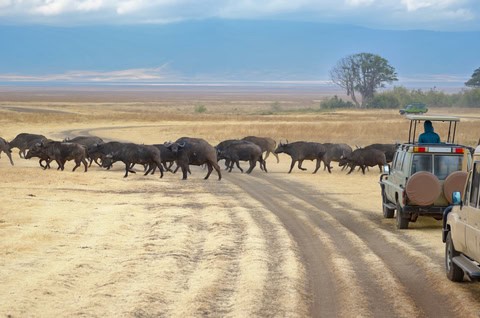
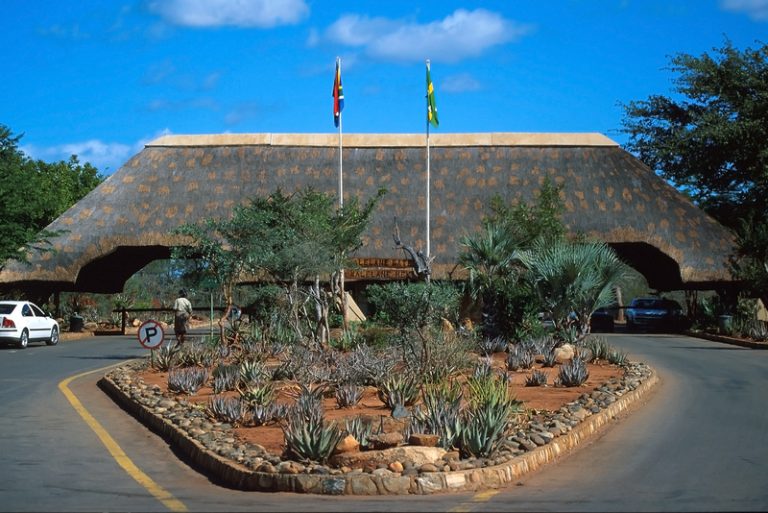
For safari travelers, Johannesburg has a practical advantage that can shape an entire trip. It is the natural gateway for Kruger National Park, the Greater Kruger private reserves, Madikwe Game Reserve, and Pilanesberg National Park. Depending on your route, you can connect by road or short regional flight and move quickly from city streets to elephant country.
If seeing the Big Five is central to your trip, spending a night or two in Johannesburg before or after safari can make the journey smoother and more meaningful. Cape Town has wildlife experiences nearby, but it is not the place to plan a classic multi-day safari. Its surrounding reserves can be enjoyable for travelers short on time, yet they do not replace the scale and ecological richness of Kruger or the Kalahari regions.
Costs, Weather, and Getting Around
Both cities can work for a range of budgets, but Cape Town’s most desirable areas often command higher rates during the summer holiday season, roughly December through February. Johannesburg can offer better value for city hotels, dining, and private guiding, although prices vary sharply by neighborhood and event dates.
Cape Town’s best weather for beach time, hiking, and long peninsula drives generally falls between November and March. This is also its busiest period. Winter, from June through August, brings cooler temperatures and rain but can be beautiful for cozy food experiences, lower rates, and whale watching along parts of the coast.
Johannesburg has sunny, dry winters with cool mornings and evenings, making May through September pleasant for city exploration and nearby safari extensions. Summer afternoons can bring dramatic thunderstorms, usually followed by clearer skies. For a safari-and-city trip, the dry months are often appealing because wildlife is easier to spot around water sources.
In either city, do not rely on walking everywhere. Ride-hailing services and reputable private transfers are useful, particularly at night. Keep valuables discreet, use ATMs in secure locations, ask your accommodation about neighborhood-specific safety considerations, and book guided experiences through trusted operators. Smart planning lets you focus on the people, places, and stories rather than unnecessary stress.
Can You Combine Cape Town and Johannesburg?
Absolutely, and for travelers with 10 days or more, it is often the best approach. Start in Cape Town for four or five nights, allowing time for the city, the peninsula, and perhaps the Winelands. Then fly to Johannesburg for two nights centered on history and culture before continuing to safari country for three or more nights.
This route works because the cities do not compete for the same role. Cape Town brings the wide-open beauty, while Johannesburg offers the historical and cultural grounding that gives the wider journey more texture. Add a safari at the end, and you have mountains, memory, city life, and wild landscapes in one trip.
If you must choose one, trust the kind of travel day that excites you most. Choose Cape Town if you picture yourself watching the sun fall behind the Atlantic after a coastal hike. Choose Johannesburg if you want to sit with South Africa’s stories, meet the city on its own terms, and continue toward the bush with a fuller understanding of the country around you. Travel deeper, and whichever city you choose will become more than a stop on the map.