Guided Tour or Self Drive? Choose Your Safari
A lion crosses the road ahead, dust hanging in the early light, and the decision suddenly feels very real: do you stop when you want, or follow the rhythm of a guide who has tracked this pride for years? Choosing a guided tour or self drive shapes far more than your transport. It affects what you see, how deeply you understand it, how much planning lands on your shoulders, and the kind of stories you bring home.
For African safaris especially, neither option is automatically better. A self-drive trip can deliver exhilarating independence. A guided journey can turn a remarkable sighting into an experience with context, confidence, and local connection. The right choice depends on your destination, travel style, budget, and appetite for navigating the unexpected.
Guided Tour or Self Drive: The Real Difference
A guided safari places a professional guide, driver, or ranger at the center of your experience. They know the park roads, animal behavior, seasonal movements, local etiquette, and often the people behind the scenes. Depending on the trip, you may travel in a shared vehicle, a private vehicle, or a small group itinerary that also includes lodging and transfers.
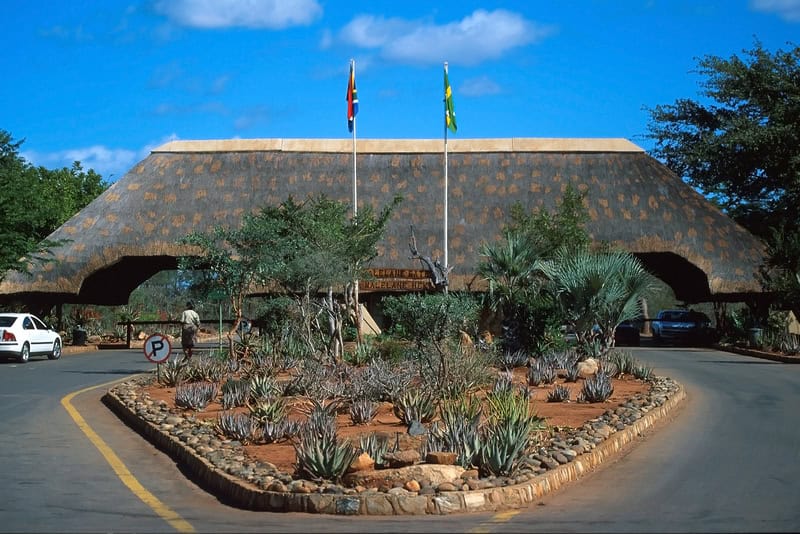
Self-driving means you rent or use your own vehicle and create the route yourself. In places with well-maintained roads and clear park systems, such as South Africa’s Kruger National Park or much of Namibia, it can be wonderfully approachable. You decide when to leave camp, how long to wait at a waterhole, and whether a detour to a small town, viewpoint, or market belongs in the day.
The distinction is not always absolute. Many travelers build a hybrid trip: self-drive through the Garden Route or Namibia’s desert landscapes, then add guided game drives in a private reserve or on select days in a national park. That combination often gives you both freedom and expertise.
Choose a Guided Tour for Knowledge and Ease
A good guide does more than locate animals. They read the landscape. A broken branch, alarm calls from impala, fresh tracks in the sand, or a sudden silence among birds can point toward a sighting long before an untrained eye notices anything. On a guided drive, the journey is richer because you understand why an elephant herd is moving toward a riverbed or why a leopard chooses a particular tree.
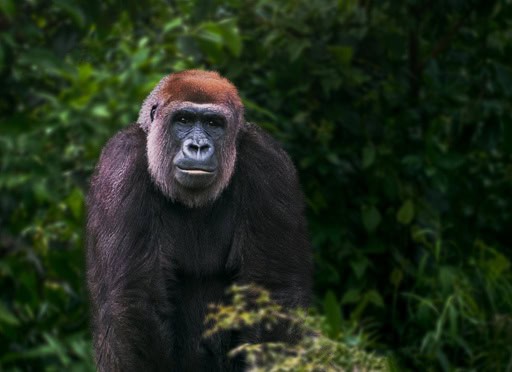
Guided travel is also the stronger choice for first-time safari visitors, solo travelers who prefer company, families with limited time, and anyone heading to destinations where logistics are more demanding. Rwanda’s gorilla trekking, for example, relies on organized park procedures and mandatory guides. In Botswana’s remote concessions, Tanzania’s vast northern circuit, or Namibia’s more isolated regions, experienced local support can reduce stress significantly.
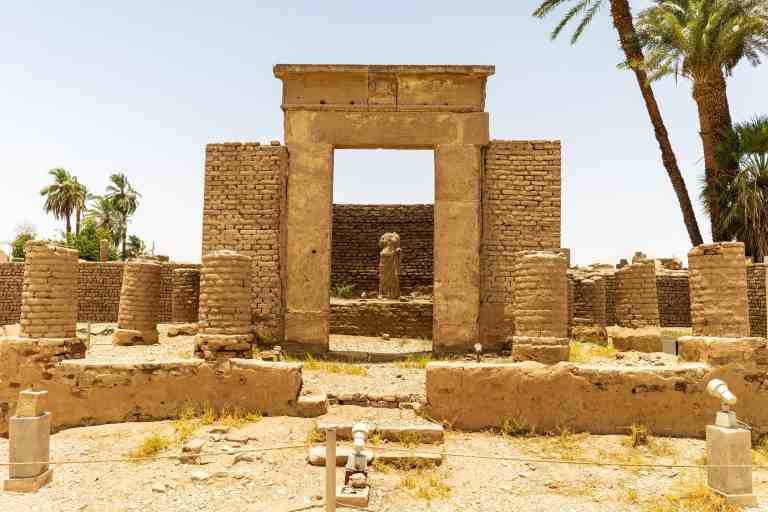
There is a cultural advantage, too. The best local guides introduce a place with respect and specificity. They may explain how communities live alongside wildlife, recommend a village-led project worth visiting, or share the history behind a landscape that might otherwise look like empty space from a vehicle window. This is especially valuable when your trip includes cultural tourism beyond the safari, whether you are visiting Cape Town’s neighborhoods, Egypt’s archaeological sites, or Cambodia’s countryside.
The trade-off is flexibility. Shared tours operate on a schedule, and even private guides have to consider gate times, driving distances, park rules, and the needs of the group. You may spend longer at a leopard sighting than you would choose, or leave a peaceful waterhole just as you are settling in. Costs can also rise quickly for private guiding, particularly in peak season.
When Self-Drive Is the Better Adventure
Self-drive safari travel suits people who enjoy the journey as much as the destination. There is a particular satisfaction in opening your map at breakfast, packing snacks and binoculars, and setting out with no one else deciding the pace. You can return to the same viewpoint at dawn, stop for a roadside coffee in a small Karoo town, or wait quietly beside a waterhole until the day changes.
South Africa is one of the easiest places to begin. Kruger National Park has a broad road network, reliable rest camps, clearly marked routes, and a wealth of self-drive resources. Add the Panorama Route, KwaZulu-Natal, or the Cape, and you can create a varied trip that combines wildlife, food, coast, and history.
Namibia is another exceptional self-drive destination, though it demands more preparation. The distances are vast, fuel stops can be far apart, and gravel roads require patience and sensible driving. In return, you get open horizons, desert silence, haunting shipwreck coastlines, and the chance to travel at your own tempo between Sossusvlei, Damaraland, Etosha, and Swakopmund.
Self-driving is not necessarily the cheapest route, but it can offer better control over spending. You can choose campsites or self-catering stays, book park accommodation early, and spend more on the experiences that matter most. Remember to factor in rental insurance, fuel, park conservation fees, extra driver charges, navigation, and possible one-way drop-off costs. A low daily vehicle rate can look different once the full itinerary is priced.
Safety, Confidence, and the Practical Questions
The biggest self-drive question is not whether you are adventurous enough. It is whether you are prepared enough. Most safari driving takes place on established roads, but conditions vary greatly by country, weather, and route. A two-wheel-drive vehicle may be perfectly suitable for parts of Kruger, while a Namibian backroad or a remote national park route may call for higher clearance or a 4×4.
Before committing, consider your comfort with driving on the left in southern Africa, managing long distances, changing a tire, and arriving before park gates close. Download offline maps where possible, carry water, keep fuel above the halfway mark in remote areas, and never rely on a single navigation tool. Wildlife has the right of way, and nighttime driving outside urban areas is best avoided due to animals, poor visibility, and unpredictable road conditions.
A guide removes many of these decisions. That does not make guided travel less adventurous. It simply shifts your attention from route management to observation. For travelers who have only three or four safari days, that trade can be worthwhile. Time spent second-guessing a junction is time not spent watching a cheetah scan the grassland.
Wildlife Sightings: Who Sees More?
Guides usually improve your odds of finding elusive animals, especially on a short trip. They communicate with other guides where permitted, understand recent movements, and recognize clues that visitors miss. In private reserves, guides may also have access to off-road tracking in designated areas, which can make close sightings of big cats more likely.
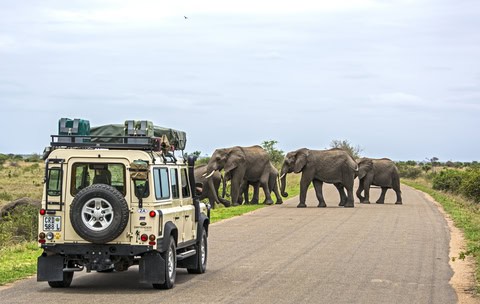
But self-drive wildlife viewing has a different magic. You are not racing between reports. You can sit with a herd of elephants for forty minutes, follow a quiet loop road because it feels promising, or become absorbed in smaller life: dung beetles, hornbills, monitor lizards, and the shifting colors of late afternoon. Many of the best sightings happen because a traveler slows down rather than because they cover more ground.
If wildlife is your central priority, consider a self-drive itinerary with occasional guided drives. Book a sunrise or night drive where available, then use your independent days for patient exploration. You will gain expert insight without giving up the pleasure of your own route.
How to Make the Right Choice for Your Trip
Choose guided travel if you want a knowledgeable local perspective, are visiting a logistically complex destination, have limited time, or would rather focus entirely on the experience. It is particularly valuable for gorilla trekking, multi-country routes, remote safari camps, and cultural encounters where interpretation matters.
Choose self-drive if you enjoy planning, feel comfortable behind the wheel, want control over your pace, and are visiting a destination with strong road and park infrastructure. It works beautifully for South Africa and Namibia, and it can be a rewarding way to connect safari days with smaller towns, landscapes, and independently chosen stays.
For couples or families, the answer may come down to energy. Planning every overnight stop, driving hours, and meal can be satisfying for one person and tiring for another. Be honest about who will carry the logistical load. A trip should not become less memorable because one traveler is always checking fuel, gates, and road conditions.
The best safari is not the one that looks most impressive on an itinerary. It is the one that leaves room for curiosity. If a guided vehicle helps you listen more closely to the land and its people, take the seat beside the guide. If your own car gives you the freedom to linger where the wilderness feels alive, take the keys, start early, and let the road unfold.