Is Rwanda Safe for Travelers? What to Know
Kigali often surprises first-time visitors for one simple reason – it feels calm, organized, and noticeably cleaner than many travelers expect from a major African capital. That first impression leads to the obvious question: is Rwanda safe for travelers? For most visitors, the answer is yes, especially if you plan well, stay aware of current conditions, and travel with the same common sense you would use anywhere.
Rwanda is widely seen as one of the safer destinations in Africa for tourism. It has a strong security presence, well-maintained roads in key areas, and a tourism industry built around high-value experiences such as gorilla trekking, wildlife safaris, and cultural visits. But safe does not mean risk-free. Like any destination, Rwanda comes with practical considerations around petty theft, road travel, regional border issues, and health precautions.
Is Rwanda safe for travelers right now?
For travelers visiting Kigali, Volcanoes National Park, Akagera National Park, Nyungwe, and other established tourist routes, Rwanda is generally considered safe. Violent crime against tourists is relatively uncommon, and many visitors describe the country as one of the easiest places in East Africa to travel with confidence.
What makes Rwanda stand out is not just low crime in tourist areas, but the overall sense of order. Streets in Kigali are monitored, public behavior is tightly regulated, and local authorities tend to take security seriously. That creates a travel environment that can feel reassuring for solo travelers, couples, and families.
Still, the right answer depends on where you go and how you travel. Areas near some borders can carry more risk than the capital and main national parks. Political expression is also handled differently than in the US, so travelers should avoid protests, public disputes, or photographing sensitive government or military locations. Rwanda is welcoming, but it is also a country where rules matter.
Crime and personal safety in Rwanda
Most travelers worry first about crime, and in Rwanda the biggest concern is usually petty theft rather than violent attacks. Pickpocketing, bag snatching, and phone theft can happen in crowded places, transport hubs, and busy urban areas, including parts of Kigali. That said, the overall risk is lower than in many other major tourist destinations around the world.
If you keep your phone out of sight when not using it, avoid flashing cash, and use trusted transport after dark, you are already reducing most of the common risks. Expensive jewelry and visible camera gear can attract attention, especially if you look distracted.
At night, Kigali is still more comfortable than many cities in the region, but that is not a reason to let your guard down. Use registered taxis or app-based rides when available, and avoid walking alone in unfamiliar areas late at night. In smaller towns, things may feel quiet rather than dangerous, but quiet streets can still be the wrong place to test your luck.
Is Rwanda safe for solo female travelers?
Rwanda is often a solid choice for solo female travelers, especially compared with destinations where street harassment is more intense. Many women report feeling comfortable in Kigali and on organized tours to the country’s parks and cultural sites.
The same core precautions still apply. Dress respectfully, be careful with nightlife, and arrange transport in advance if you will be moving around after dark. If you are trekking gorillas or chimpanzees, using reputable operators and guides makes the experience smoother and safer from start to finish.
Safety on the road and getting around
One of Rwanda’s strengths is that distances between major attractions are manageable. The challenge is that road safety is not only about distance. It is also about driving style, weather, and the type of transport you choose.
Roads in and around Kigali and on key tourism routes are generally in decent condition, but rural roads can be narrow, steep, or slippery during rainy seasons. Motorbike taxis are common and efficient, yet they are not always the best option for travelers carrying valuables or unfamiliar with local traffic patterns. If comfort and safety matter more than saving a little money, a private driver or organized transfer is usually the better choice.
Self-driving is possible, but it is best suited to confident travelers with regional experience. Road rules are more structured in Rwanda than in some neighboring countries, but you still need to stay alert. Night driving deserves extra caution because of reduced visibility, pedestrians near roads, and occasional unexpected obstacles.
Public buses connect major towns and are widely used, but for a short trip centered on parks and cultural experiences, private or tour-based transport is often the easiest route. That is especially true if you want to travel deeper without losing time to logistics.
Border areas and regional security
This is where nuance matters most. Rwanda itself is generally stable, but the wider Great Lakes region can be more complicated. Travelers should pay close attention to current advice if they are planning trips near borders, especially the frontier with the Democratic Republic of the Congo.
Gisenyi, on Lake Kivu, is a popular destination and many travelers visit without problems. But cross-border conditions can change fast depending on regional tensions. If your itinerary includes areas near the Congo or Burundi borders, check recent updates before departure and again while in-country.
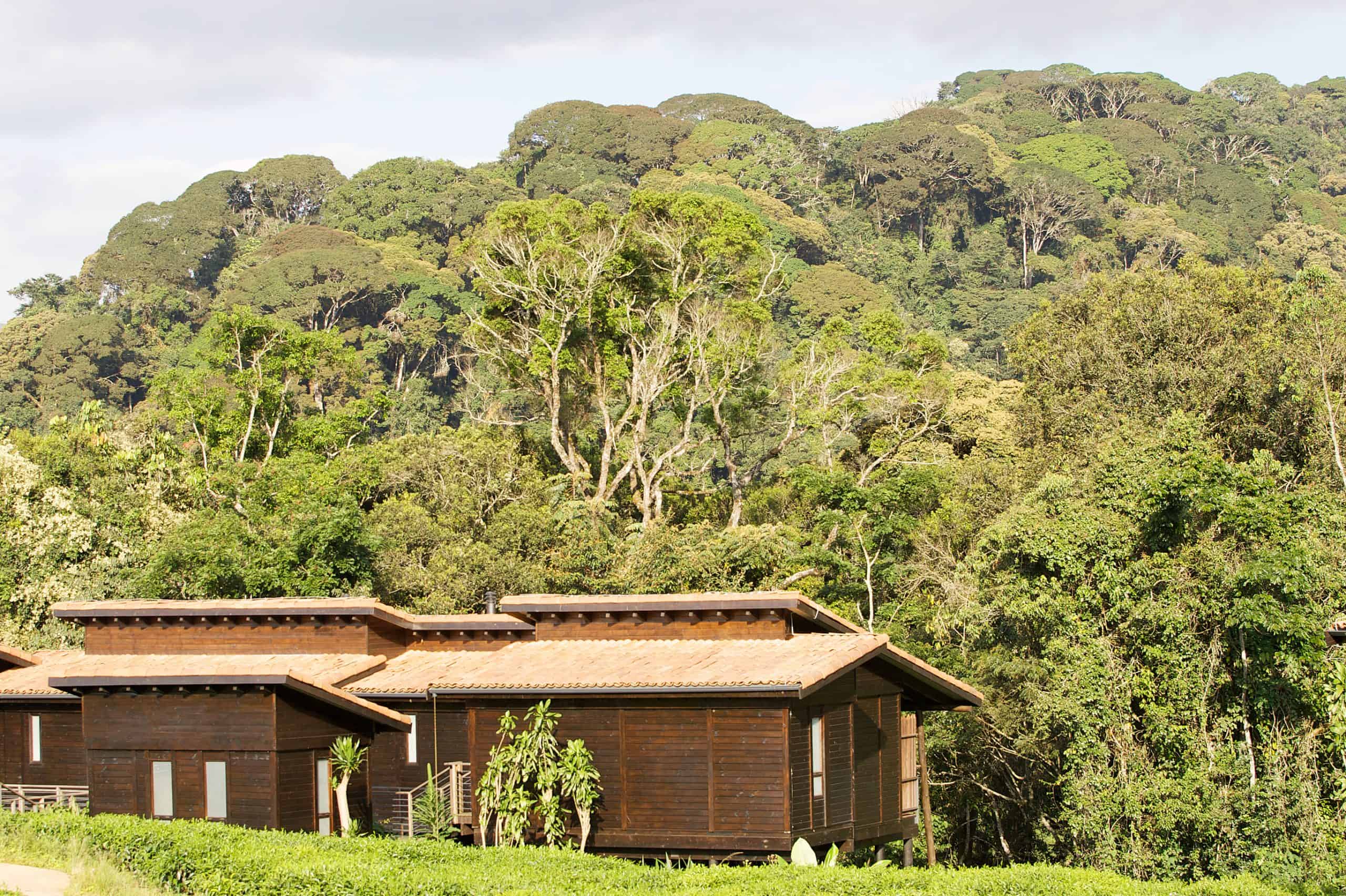
For most visitors focused on Kigali, gorilla trekking in Volcanoes National Park, safari in Akagera, or rainforest experiences in Nyungwe, regional instability does not directly affect the trip. The key is not to assume that a peaceful capital automatically reflects every border zone. Rwanda rewards informed travel.
Health and hygiene safety
Rwanda is one of the cleaner and better-organized destinations many travelers will visit in Africa, but health planning still matters. Depending on where you are arriving from and where you have recently traveled, you may need certain vaccines or health documentation. Yellow fever requirements can apply in some cases, and malaria prevention should be discussed with a travel clinic before departure.
In Kigali and at high-end lodges, hygiene standards are often very good. In rural areas, conditions can vary more. Drink bottled or properly treated water, use insect repellent, and pack basic medication for stomach issues, allergies, and minor cuts or blisters.
Travelers coming for gorilla trekking should also understand that these experiences are physically demanding. The trails can be muddy, steep, and humid. Good boots, rain gear, and a realistic sense of your fitness level matter just as much as the permit itself. Safety is not only about crime – it is also about being prepared for the environment.
Cultural awareness and local laws
Rwanda is easy to admire, but it should also be approached with respect. This is a country with deep historical memory and a strong emphasis on unity, public order, and national identity. Travelers who come with curiosity and humility usually find people warm, helpful, and proud to share their country.
Public cleanliness and community standards are taken seriously. Behavior that seems casual elsewhere may be frowned upon here. Ask before photographing people, avoid insensitive political conversation, and be respectful when visiting memorials tied to the 1994 genocide against the Tutsi. These are not just stops on an itinerary. They are deeply important places.
There are also regulations around plastic bags and certain public conduct, so it is worth checking current rules before arrival. Rwanda is not difficult to navigate, but it is a place where being a thoughtful guest goes a long way.
Who will feel most comfortable traveling in Rwanda?
Rwanda tends to suit travelers who appreciate structure, guided experiences, and meaningful encounters with nature and culture. If you are planning your first trip to Africa and want a destination that feels manageable without feeling sanitized, Rwanda is a strong option.
Luxury travelers often find it exceptionally comfortable, especially on gorilla and safari itineraries. Couples and families usually do well here because logistics can be organized cleanly and efficiently. Solo travelers can also thrive, particularly if they mix time in Kigali with arranged excursions.
Backpackers on a very tight budget may find Rwanda less relaxed on cost than some neighboring countries. It is not unsafe for budget travel, but the country’s tourism model leans more toward curated experiences than ultra-cheap wandering.
Practical ways to stay safe in Rwanda
The smartest Rwanda trips are rarely the most complicated. Book airport transfers or use trusted taxis, keep copies of your passport, and avoid carrying large amounts of cash. Stay updated on local conditions if you are heading near border regions, and do not ignore weather when planning drives or treks.
Choose reputable guides for gorilla trekking, wildlife viewing, and rural cultural visits. This does more than improve convenience. It gives you local insight, smoother logistics, and a better read on changing conditions. For many travelers, that is the difference between simply visiting Rwanda and actually moving through it with confidence.
If you are asking whether Rwanda is safe for travelers, the more useful question might be this: is Rwanda a good fit for the way you like to travel? If you value clean cities, strong tourism infrastructure, remarkable wildlife experiences, and a destination that rewards respect and preparation, Rwanda is not only safe enough for most travelers – it is one of the most compelling places in Africa to experience well.