
Sustainable Tourism in Africa That Matters
A safari jeep idling too close to a cheetah, a beach lodge importing food from overseas, a village visit staged purely for photos – these are the moments that remind travelers that not every “authentic” trip is built responsibly. Sustainable tourism in Africa is not a feel-good label. It shapes wildlife protection, local livelihoods, cultural respect, and the kind of experience you actually bring home.
For travelers planning a safari, a cultural route, or a coastal escape, this matters more than ever. Africa offers some of the world’s most extraordinary travel experiences, but it is also a continent where tourism can either strengthen local communities and conservation or put pressure on both. The difference often comes down to how a trip is designed, who benefits, and what travelers choose to support.
What sustainable tourism in Africa really means
At its best, sustainable tourism in Africa balances three things – environmental care, economic benefit for local people, and respect for culture. That sounds simple, but in practice it asks harder questions than many travelers expect.
A lodge can market itself as eco-friendly because it skips plastic straws, but that alone says very little. A truly sustainable operation is more likely to hire and train local staff, buy from nearby farmers and makers, manage water and waste carefully, and contribute to conservation or community programs in ways that are visible and ongoing.
The same goes for tours. A responsible wildlife experience is not only about seeing animals in beautiful places. It is also about guide behavior, group size, park rules, and whether tourism revenue helps keep habitats intact. Cultural tourism follows the same logic. A meaningful visit creates room for real exchange and fair compensation, not staged performances with little benefit for the people involved.
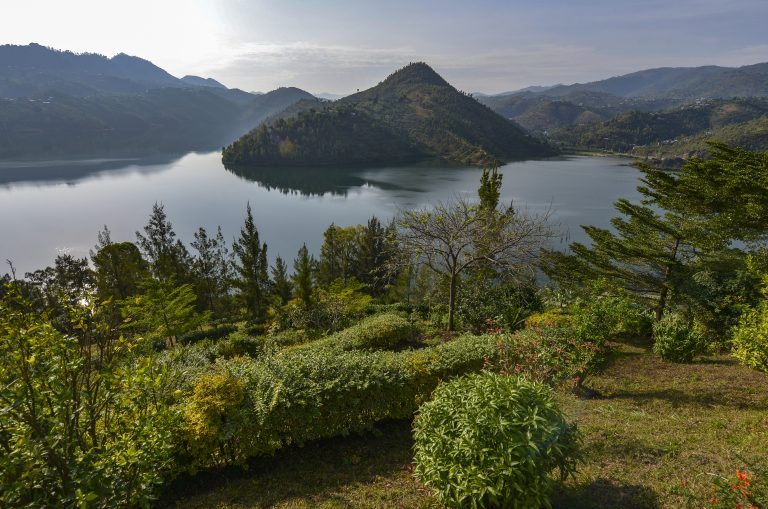
This is why sustainability in African travel is rarely one-size-fits-all. What works in Namibia’s desert conservancies may look different from community tourism in Rwanda or heritage-focused travel in Egypt. The goal is not perfection. It is better choices, made with context.
Why it matters for travelers, not just destinations
Many travelers assume sustainability is mainly a moral issue. It is that, but it is also a quality issue. Trips built with local knowledge and long-term care often feel richer, smoother, and more memorable.
When local guides lead a walking tour, game drive, or village experience, you usually get more than facts. You get the stories behind the landscape, the social etiquette that helps you move respectfully, and the kind of detail that turns a destination into a place rather than a backdrop. That kind of travel stays with you.
There is also a practical side. Destinations that protect wildlife, manage visitor numbers, and invest in communities tend to remain more rewarding over time. Places damaged by careless tourism can lose exactly what made them special. Overcrowded wildlife sightings, coral damage, littered viewpoints, and culturally exploitative experiences do not just hurt local destinations. They make the trip feel thinner.
For travelers who want to go beyond surface-level sightseeing, sustainability is often the path to a better itinerary.
Where sustainable tourism in Africa is working well
Some of the most encouraging examples come from places where conservation and community benefit are linked closely. In parts of southern Africa, community conservancies have helped create jobs through lodges, guiding, and wildlife tourism while giving local residents a stake in protecting the land. Namibia is often part of that conversation because conservancy-based tourism has shown that wildlife can create value beyond hunting or land conversion.
In Rwanda, gorilla trekking is a useful example of both promise and complexity. Permit fees are high, which can make the experience less accessible, but that pricing model has helped fund conservation and support communities around protected areas. It is not a perfect system, and travelers can reasonably debate the balance between exclusivity and conservation finance. Still, it shows how tightly managed tourism can help protect a fragile experience.
In East Africa, many travelers now look beyond the classic safari circuit and seek camps and operators that work closely with Maasai and other local communities, especially in areas bordering major parks. The strongest models are not those that simply add a village stop to the itinerary. They are the ones where local people are landowners, employees, decision-makers, or long-term partners.
Coastal tourism matters too. On islands and beach destinations, sustainability often comes down to marine protection, waste systems, water use, and whether resorts operate as isolated bubbles or connect with local economies. A beautiful beachfront stay can still have a heavy footprint if it excludes surrounding communities or strains limited resources.
How to choose better experiences
The challenge for most travelers is that sustainability is easy to advertise and harder to verify. A polished website may tell you very little. The better approach is to look for specifics.
Ask who owns the property or company, who works there, and whether local people hold skilled and leadership roles. Look for evidence that money stays in the destination through local sourcing, guiding, transport, and partnerships. If a lodge talks about community support, there should be detail behind it, not just broad language.
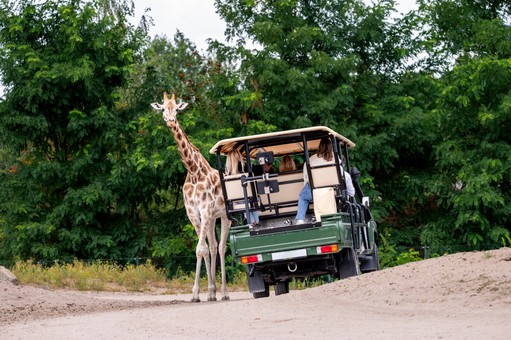
For wildlife travel, pay attention to how encounters happen. Ethical operators respect viewing distances, limit crowding, and do not bait, touch, or manipulate animals for guest satisfaction. If a wildlife activity feels designed around selfies rather than behavior and habitat, that is usually a warning sign.
For cultural experiences, the key question is consent and value. Is the interaction invited and fairly compensated? Does it feel like people are sharing their culture on their own terms, or performing a simplified version for outsiders? Good cultural tourism leaves room for dignity, curiosity, and context.
Accommodation choices matter more than many people realize. Smaller camps, locally rooted guesthouses, and lodges with a visible conservation or community model can often deliver a stronger sense of place than larger, disconnected resorts. That does not mean every luxury property is unsustainable or every budget stay is responsible. It depends on management, sourcing, staffing, and operations.
The trade-offs travelers should understand
Sustainable travel in Africa is not always the cheapest option. Smaller properties, regulated wildlife permits, fair wages, renewable systems, and conservation contributions can raise costs. For some travelers, that creates tension between budget and impact.
But higher prices do not automatically mean a trip is more responsible. Some premium operators genuinely invest in land protection and local partnerships. Others simply charge luxury rates. Budget travelers are not excluded from traveling well either. Using local guides, staying in locally owned accommodation, eating at local restaurants, and spending more time in fewer places can make a modest trip more sustainable.
Another trade-off is access. Highly protected experiences may involve stricter rules, fewer visitors, and less spontaneity. That can feel restrictive if you are used to flexible travel. Yet those limits are often what keep the place worth visiting.
There is also the question of flights. For long-haul travelers coming from the US, reaching Africa carries a real carbon footprint. That does not mean you should not go. It means it makes sense to travel longer rather than faster, avoid rushed multi-country hopping when possible, and choose experiences with stronger local value once you arrive.
How travelers can make a real difference on the ground
The strongest choices are often simple. Stay longer in one region instead of racing through a checklist. Book with guides and operators who know the area deeply. Buy crafts and products that are made locally, and be willing to pay fair prices. Learn a little about local customs before you arrive so your interactions feel respectful rather than extractive.
It also helps to be mindful with photography. Not every moment is yours to capture, especially in communities, markets, sacred spaces, or during cultural events. Asking first is not only polite. It changes the tone of the encounter.
Travelers should think carefully about what they reward with their money and attention. If businesses see that visitors care about ethical wildlife viewing, local employment, and cultural respect, they have more reason to build around those values. Demand shapes destinations.
At Damtos Adventure, we believe the best African journeys do more than deliver great views and memorable wildlife sightings. They create a deeper connection to place – one built through local knowledge, thoughtful planning, and experiences that leave something positive behind.
The future of travel on the continent
Africa is not a single tourism story. It is a continent of very different landscapes, political contexts, cultures, and tourism systems. That is exactly why broad promises about “green travel” are not enough.
The future belongs to travel that is more rooted, more transparent, and more locally connected. That could mean a conservancy stay in Namibia, a community-led cultural experience in The Gambia, a carefully managed gorilla trek in Rwanda, or choosing a guide in South Africa who adds history and local perspective to every mile of the journey. Different experiences, same principle: travel deeper, and let your presence count for more than a booking confirmation.
If you are planning a trip, start by asking not just where you want to go, but what kind of tourism you want to strengthen once you get there. That question tends to lead to the most rewarding journeys.