Self Drive Versus Guided Safaris: Which Fits?
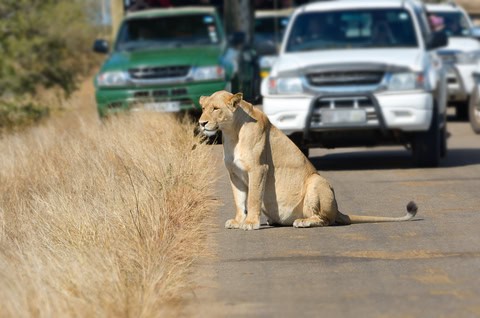
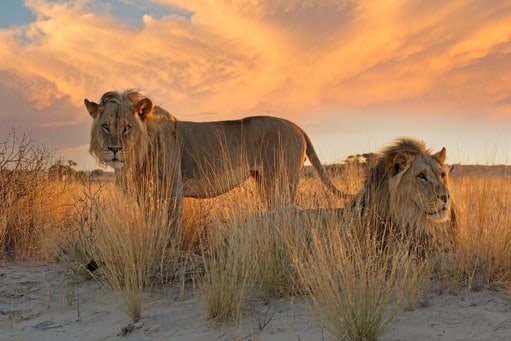
A lion is half-hidden in tawny grass, the road is empty, and daylight is slipping away faster than expected. This is where the choice between self drive versus guided safaris becomes real. One traveler may love the thrill of deciding whether to wait another 20 minutes. Another may wish a skilled guide were already reading the lion’s posture, the elephant tracks nearby, and the changing rules of the road after dark.
Neither safari style is automatically better. The right choice depends on how you like to travel, where you are going, who is in your vehicle, and how much of the planning you want to carry yourself. Africa rewards curiosity, but it also asks travelers to respect distances, wildlife, local regulations, and the knowledge of people who know these landscapes well.
Self Drive Versus Guided Safaris: The Core Difference
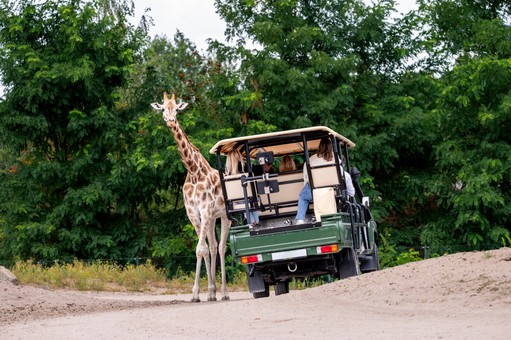
A self-drive safari puts you in control of the vehicle, route, pace, and daily budget. In safari-friendly destinations such as South Africa and Namibia, travelers can rent a vehicle, reserve park accommodations or campsites, and explore on their own within designated roads and opening hours. It can feel wonderfully personal: coffee at sunrise beside your campsite, a quiet pause for giraffes crossing the road, and the freedom to stay longer when the bush suddenly comes alive.
A guided safari places the driving, wildlife tracking, logistics, and much of the interpretation in the hands of an experienced guide. This may mean joining scheduled game drives from a lodge, booking a private guide and vehicle, or taking a multi-day itinerary with transport and accommodations arranged. You still experience the surprise of safari, but you are not responsible for navigating every decision around it.
The distinction is not always absolute. Many excellent trips combine both. You might spend several nights self-driving through Kruger National Park, then finish at a private reserve where guided drives offer a different perspective and access to areas not open to independent visitors.
Choose Self-Drive If Freedom Is Part of the Adventure
Self-driving suits travelers who enjoy active trip planning and are comfortable behind the wheel in unfamiliar settings. It is particularly appealing in South Africa, where major national parks have well-maintained roads, clear signage, a strong network of rest camps, and accessible entry procedures. Namibia is another natural fit, especially for travelers drawn as much to vast desert roads, dramatic geology, and quiet campsites as to concentrated wildlife viewing.
The greatest advantage is pace. You can leave at park opening, stop when you want, return for lunch, or spend an entire hour with a herd of elephants without negotiating a group schedule. For photographers, this can be a gift. You control your position, your patience, and how long you wait for the light to change.
Self-drive can also be more economical, especially for couples, families, or friends sharing a vehicle and accommodations. Park entry fees, fuel, rental costs, and rest camps can be considerably less than a fully guided luxury experience. That said, lower daily rates do not always mean a cheap trip. Rental insurance, one-way fees, fuel, food, campground equipment, and premium lodging can add up quickly.
The trade-off is responsibility. You need to reserve popular park accommodations early, understand fuel availability, carry enough water, watch the time carefully, and follow wildlife rules without exception. You may have a brilliant sighting by chance, or spend a quiet morning seeing little beyond impala and distant birds. That uncertainty is part of the experience.
Where Self-Drive Works Best
South Africa is the most approachable first self-drive safari destination for many US travelers. Kruger and adjacent regions offer a practical combination of wildlife density, developed infrastructure, and options ranging from basic bungalows to comfortable lodges. Add a few days in Cape Town, the Panorama Route, or a cultural stop in a nearby community, and the journey can feel varied without becoming complicated.
Namibia is ideal for travelers with confidence on long drives and a love of open space. Etosha National Park offers rewarding wildlife around waterholes, while the wider country delivers desert landscapes unlike anywhere else. Distances are significant, gravel roads demand attention, and cell service can be limited. The payoff is a profound sense of scale and independence.
Choose a Guided Safari for Deeper Wildlife Insight
A great guide does much more than drive. They notice fresh tracks on the road, hear a distant alarm call, identify birds by sound, and understand why a herd is behaving differently this afternoon than it did yesterday. They also turn sightings into stories about habitat, conservation, seasonal movement, and the practical realities of living alongside wildlife.
For first-time safari travelers, a guided experience often removes the anxiety that can overshadow a self-drive trip. You do not need to judge whether a road is suitable after rain, wonder how close is too close to an elephant, or worry about returning before the gate closes. That mental space lets you be present.
Guided safaris are especially valuable in destinations where logistics are more demanding or where your time is limited. Rwanda’s mountain gorilla trekking, for example, requires permits, structured trekking arrangements, and a careful respect for a sensitive ecosystem. In Botswana, Zambia, Tanzania, or Kenya, experienced guides can dramatically improve your ability to find wildlife and understand the environment, particularly in remote concessions or seasonal landscapes.
There is also a cultural dimension. The strongest guides connect wildlife viewing to people and place. They may explain how communities participate in conservation, introduce the history of a region, or point out plants used in local traditions. Treat this knowledge as expertise, not background entertainment. Ask thoughtful questions, listen closely, and choose operators that employ and support local guides and communities.
The Trade-Offs of Going Guided
Guided safaris usually cost more, particularly when they include internal flights, private concessions, high-end camps, meals, and drinks. Group departures may lower the price, but they can also mean set schedules and less control over how long you spend at a sighting. A private guide provides the most flexibility, though it often comes at a premium.
Not all guided trips feel the same. A large vehicle with many guests creates a different atmosphere from a small owner-run camp or a private vehicle. Before booking, ask about group size, vehicle capacity, guide qualifications, drive times, park fees, and whether activities are shared or private. These details shape the trip more than glossy photos do.
Safety, Confidence, and the Reality of Being Around Wildlife
Wild animals are not safari props. Whether you drive yourself or travel with a guide, distance and calm behavior matter. Stay in your vehicle where rules require it, never feed animals, do not block the road around a sighting, and resist the urge to crowd another vehicle for a better photo. A memorable safari is never worth stressing an animal or creating danger for other travelers.
Self-drivers need to be honest about their comfort level. Driving on the left in South Africa can take adjustment for Americans. Night driving outside towns can be risky because of livestock, pedestrians, limited lighting, and wildlife near the road. In more remote areas, a puncture or missed turn becomes a bigger issue than it would be at home.
Guides reduce many of these pressures, but travelers still have a role. Follow instructions during game drives and walks, speak up about dietary needs or mobility concerns before departure, and do not assume every safari vehicle is equally accessible. Families should also check age restrictions, especially for walking safaris, mokoro excursions, and gorilla trekking.
A Practical Way to Decide
Start with the kind of memory you want to bring home. If it is the satisfaction of navigating a national park under your own steam, choosing your own roadside picnic, and discovering wildlife without a script, self-drive may be the right fit. If it is hearing a guide explain the drama unfolding in the grass before you even see it, guided travel will likely feel richer.
Budget matters, but it should not be the only deciding factor. A well-planned self-drive can become expensive if you book late, choose unsuitable vehicles, or underestimate distances. A guided safari can offer excellent value when it includes transfers, meals, park fees, guiding, and carefully chosen accommodations. Compare the full cost, not just the nightly rate.
Your travel companions matter too. Independent couples and experienced road-trippers may thrive on self-drive freedom. Multigenerational families, solo travelers who prefer companionship, and visitors with only a few safari days often benefit from a guide’s organization and local insight.
For many travelers, the best answer is not choosing sides. Start with a few self-drive days in a well-supported park, then let a local guide take you farther into the landscape. You will leave with both the quiet pride of finding your own leopard track and the deeper understanding that comes from someone who has spent years learning how to read the bush.