South African Safari Review for First-Time Visitors
A South African safari can put you close enough to hear elephants tear grass from the ground, then have you back at a lantern-lit lodge before dinner. That contrast is the heart of this South African safari review: the country offers some of Africa’s most rewarding wildlife experiences, but the best version of the trip depends heavily on where you stay, how you travel, and what you expect from the word “safari.”
South Africa is not one uniform wilderness experience. You can self-drive broad roads in Kruger National Park, join a tracker-led game drive in the Sabi Sand, or choose a malaria-free reserve where younger children can join every outing. Each route has real strengths. The key is choosing the one that fits your travel style rather than booking the most familiar name.
What makes a South African safari stand out
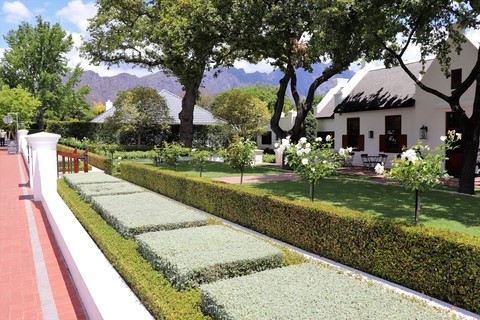
For many first-time safari travelers, South Africa is one of the easiest places to begin. English is widely spoken, roads are generally well developed, and the country has a broad range of accommodations, from simple campsites to intimate high-end lodges. It also pairs naturally with Cape Town, the Winelands, the Garden Route, or a cultural stop in Johannesburg.
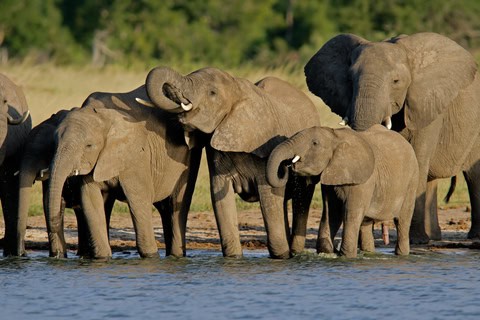
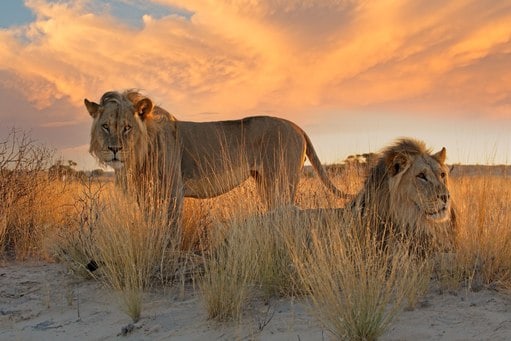
The wildlife is the headline, and South Africa delivers. The Big Five – lion, leopard, elephant, rhino, and buffalo – are all possible to see in several major reserves. Kruger and its neighboring private reserves are especially known for strong leopard sightings, while elephant herds, giraffes, zebras, hyenas, wild dogs, and a remarkable variety of birds fill the gaps between the famous animals.
What feels different here is the choice. Some African safari destinations are built around fly-in lodge circuits. South Africa can be that, but it can also be independent and flexible. A couple with a rental car, a solo traveler joining guided drives, and a multigenerational family can all create very different, equally worthwhile trips.
South African safari review: Kruger or a private reserve?
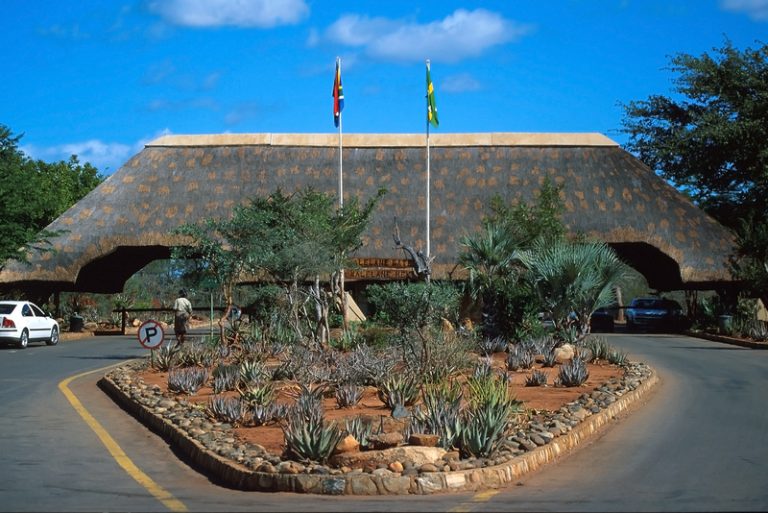
This is the decision that shapes most itineraries. Kruger National Park is enormous, accessible, and excellent value. It is ideal for travelers who enjoy the slow thrill of searching for animals themselves. You might spend an hour watching a leopard disappear into a tree line, or turn a quiet road into a front-row seat for a herd of elephants crossing at sunset.
Self-driving in Kruger gives you freedom, but it asks for patience. Sightings are not choreographed, roads can be busy around popular animal activity, and you will not be able to drive off-road when a leopard moves into the bush. Staying inside the park keeps the experience close to nature, though accommodation is simpler than in the neighboring private reserves.
Private reserves bordering Kruger, particularly Sabi Sand, Timbavati, Klaserie, and Manyeleti, offer a more guided and polished safari. Vehicles typically head out twice daily with a ranger and tracker, and many reserves can follow animals off-road within set guidelines. This creates exceptional opportunities for leopard viewing and for understanding animal behavior rather than simply spotting it.
The trade-off is cost and structure. Private-reserve stays often include meals and game drives, but they can be expensive. Your day follows the lodge schedule, with early starts and afternoon departures planned around the best wildlife hours. For travelers who want expert interpretation, excellent guiding, and minimal logistical stress, that structure is often a benefit rather than a limitation.
A smart middle ground is to combine both. Spend a few nights self-driving in Kruger for independence, then finish at a private reserve for guided viewing and a more restful lodge experience. The contrast makes the trip richer.
Where to go beyond Kruger
Kruger is not automatically the right answer, especially if your trip is short or you are combining safari with Cape Town.
Madikwe Game Reserve, near the Botswana border, is a strong choice for families and travelers seeking a malaria-free safari. It has the Big Five, a lower density of independent visitors than Kruger, and a good reputation for wild dog sightings. Its lodge-focused model means it suits travelers who want guided drives rather than a self-drive holiday.
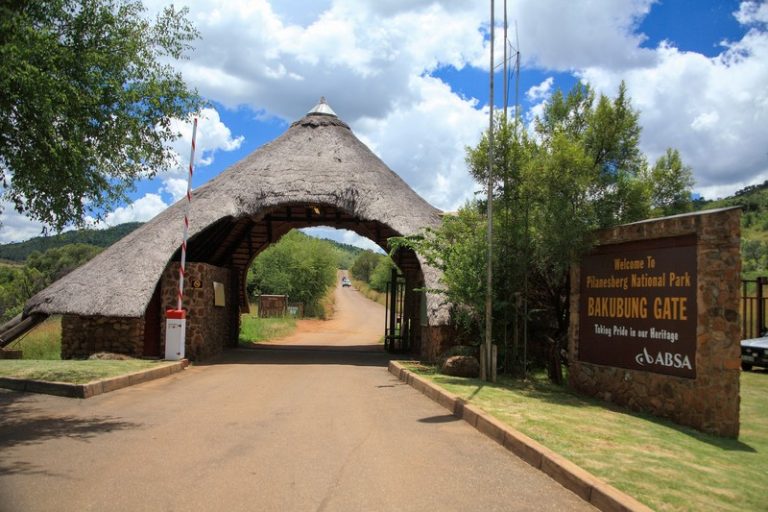
Pilanesberg National Park is another malaria-free option and is relatively close to Johannesburg. It is convenient, scenic, and practical for a two- or three-night safari, but it does not usually create the same remote feeling as a longer stay in Greater Kruger. Think of it as a good fit for tight itineraries, not a substitute for several days in a larger wilderness area.
In the Eastern Cape, reserves near Gqeberha offer an easy safari addition to a Garden Route trip. These smaller private reserves can be especially appealing for families, first-time visitors, and travelers who prefer a gentler pace. Wildlife density can be impressive, although the landscapes and sense of scale differ from the lowveld around Kruger.
KwaZulu-Natal brings another dimension: bush, wetlands, coastline, and Zulu cultural heritage can sit within one itinerary. Hluhluwe-iMfolozi Park is particularly meaningful for travelers interested in rhino conservation and a more independent national-park atmosphere.
The wildlife experience is better when you slow down
The biggest mistake is treating safari as a one-night checklist. Animal sightings depend on season, weather, recent movement, and simple luck. A lion can sleep in tall grass all afternoon. A quiet waterhole can become unforgettable when a breeding herd of elephants arrives without warning.
Plan at least three nights in one safari area. Four or five nights is better if wildlife is the primary reason for your trip. That gives you multiple dawn and dusk drives, time to revisit productive areas, and room for the quieter moments that often become the stories you tell later: a hornbill calling over camp, a dung beetle rolling its impossible prize, or a ranger explaining the tracks in the road.
Ask how a lodge approaches sightings. The most responsible operations prioritize animal welfare, limit vehicle crowding, and do not pressure guides to force close encounters. Great guiding is not measured by how many species are checked off before breakfast. It is measured by context, patience, and respect for the wild animals at the center of the experience.
When to go and what to expect
The dry season, roughly May through September, is often the easiest time for wildlife viewing in the Kruger region. Vegetation thins, animals gather near water, and daytime temperatures are usually comfortable. Mornings can be surprisingly cold on an open vehicle, so layers are essential.
The green season, generally November through March, brings dramatic skies, lush landscapes, newborn animals, and exceptional birding. It can be hotter and wetter, and thicker vegetation can make some sightings harder. Still, it is a beautiful time to travel, often with fewer visitors and better value at selected properties.
Shoulder months can be especially rewarding. April, May, September, and October often balance favorable conditions with a little more flexibility in pricing and availability. Your ideal season depends on priorities: peak wildlife visibility, birding, photography, family schedules, or combining safari with the Cape.
What a safari costs in South Africa
South Africa can accommodate a wide range of budgets, but safari pricing is rarely just about the bed. In a private reserve, a nightly rate may include accommodation, meals, two game drives daily, selected drinks, and transfers from a local airstrip. That can make a higher upfront price easier to understand, though extras such as premium beverages, spa treatments, gratuities, and flights may remain separate.
Self-driving Kruger is far more affordable. Park accommodation, fuel, conservation fees, groceries, and occasional guided drives can create a rewarding trip without luxury-lodge rates. The trade-off is that you handle the planning, driving, meals, and sightings yourself.
For a comfortable private-reserve stay, expect the biggest portion of the budget to go toward lodging and included activities. If your budget is limited, spend fewer nights at a private lodge rather than choosing the cheapest possible property for a long stay. Two memorable, well-guided nights can be more valuable than four nights that feel disconnected from the landscape.
Practical choices that make the trip smoother
Choose a soft-sided bag if you are taking a small charter flight, and bring neutral layers, sunscreen, a hat, binoculars, and a camera only if you will genuinely use it. Your phone can handle many memorable moments, while binoculars often add more to a game drive than a complicated lens.
If you are traveling with children, confirm age rules before booking. Some lodges have private vehicles or child-friendly programs, while others restrict young guests on shared drives. If malaria is a concern, talk with a qualified travel health professional and consider malaria-free reserves such as Madikwe, Pilanesberg, or selected Eastern Cape properties.
Most of all, leave room for the unexpected. A safari is not a performance with guaranteed scenes. It is a chance to enter a living ecosystem on its own terms. Choose an area that suits your pace, give it enough time, and let the bush set the rhythm. That is when South Africa becomes more than a wildlife trip – it becomes a place you carry with you long after the dust is gone.