South African Winelands for Curious Travelers
A morning in the Cape winelands can begin with mist moving across vineyard rows and end beside a fire as the mountains turn copper. But the South African winelands are not one place, or one kind of trip. They are a collection of valleys, towns, farms, food traditions, and difficult histories, best experienced with enough time to slow down between tastings.
For travelers combining Cape Town with safari, a coastal road trip, or a deeper cultural journey through South Africa, the winelands offer an easy change of pace. You can taste exceptional Chenin Blanc and Cabernet Sauvignon, certainly, but the lasting memories often come from a long lunch under oak trees, a conversation with a local guide, or a quiet drive through a valley that feels worlds away from the city.
Where to Go in the South African Winelands
The main wine regions sit within an hour or two of Cape Town, but each has a different rhythm. Choosing the right base matters more than trying to visit every famous estate.
Stellenbosch: heritage, variety, and energy
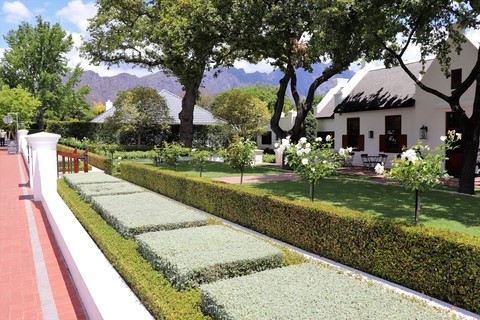
Stellenbosch is the most recognizable name in South African wine, and for good reason. Its historic center is filled with Cape Dutch architecture, leafy streets, galleries, restaurants, and a lively university-town atmosphere. Beyond town, vineyards climb toward dramatic mountain backdrops, with estates ranging from polished, design-forward tasting rooms to family-run farms with generations of experience.
This is the best choice for first-time visitors who want broad wine variety and plenty of dining options. Cabernet Sauvignon, Bordeaux-style blends, Chenin Blanc, and Pinotage all appear regularly on tasting menus. It can feel busy during weekends and peak summer, though, so reserve sought-after tastings and restaurants in advance.
Franschhoek: food, romance, and French Huguenot roots
Franschhoek is compact, scenic, and built for travelers who want food to be as central as wine. The valley’s French Huguenot heritage is visible in its farm names and culinary reputation, while its village center has boutique hotels, cafés, and acclaimed restaurants.
Couples often gravitate here for its intimate feel, but it also works well for friends and multigenerational trips. The popular wine tram is a convenient way to sample several estates without driving, although it can make the day feel more scheduled and less personal. If you prefer unhurried travel, choose two or three estates, book a cellar tour or food pairing, and leave room for a long lunch.
Paarl: broad valleys and bold reds
Paarl has a warmer, more spacious feel than neighboring Stellenbosch and Franschhoek. Its granite mountain dominates the landscape, and its estates often have generous grounds, family-friendly facilities, and strong red wine programs. Shiraz, Cabernet Sauvignon, and blends perform especially well here.
Paarl makes sense for travelers who enjoy big landscapes, relaxed estate lunches, and a less polished pace. It is also a useful stop if you are continuing north toward the Cederberg or along a longer Western Cape itinerary.
Constantia and Hemel-en-Aarde: two worthwhile detours
If your time is limited, Constantia is the easiest wine-country escape from central Cape Town. The valley is close enough for a half-day visit and has a remarkable wine history, including the sweet Vin de Constance that became famous far beyond the Cape centuries ago. It is ideal for travelers who want vineyards without changing hotels.
For cooler-climate wines, look toward the Hemel-en-Aarde Valley near Hermanus. The drive is longer, but lovers of Pinot Noir and Chardonnay will find a striking coastal landscape and a different expression of the Cape. This is a smart addition to a Garden Route trip rather than a rushed day trip from Cape Town.
How to Taste With More Intention
The best wine day is rarely the one with the highest number of stops. Three tastings are usually plenty, especially if one includes lunch. South African hospitality can be wonderfully generous, and portions may be larger than expected.
Start by deciding what interests you beyond the bottle. Some estates excel at architecture and art; others focus on organic farming, heritage cellars, chef-led dining, or family activities. A smaller producer may offer more direct access to the people making the wine, while a larger estate can provide polished service and several experiences in one place. Neither is automatically better. It depends on whether you value atmosphere, technical wine knowledge, convenience, or a quieter local connection.
Ask your host about the grapes in the glass and the conditions that shaped them. The Cape’s old-vine Chenin Blanc deserves special attention, from textured, savory examples to bright, fresh styles. Pinotage, South Africa’s signature crossing of Pinot Noir and Cinsault, is worth trying with an open mind. Quality varies widely, but at its best it can be structured, fragrant, and distinctly South African.
You should also taste beyond familiar labels. Sauvignon Blanc, Syrah, Méthode Cap Classique sparkling wine, and Mediterranean varieties such as Grenache and Mourvèdre can all be excellent. The Swartland, in particular, has helped build a reputation for expressive, often smaller-scale wines shaped by dryland farming and a more experimental spirit.
The Culture Behind the Cellar Door
Wine country is beautiful, but it is not separate from South Africa’s wider story. Many estates occupy land shaped by colonialism, forced displacement, and apartheid-era inequality. A meaningful visit does not require turning every tasting into a lecture, but it does call for curiosity and respect.
Look for experiences that acknowledge the people behind the wine, including farm workers, vineyard teams, chefs, and community partners. Some estates offer tours centered on heritage, sustainability, or social initiatives; independent local guides can add valuable context that is easy to miss when moving between polished tasting rooms.
Food is another route into the region’s layered identity. Alongside formal tasting menus, seek out seasonal Cape ingredients, local cheeses, preserves, breads, and braai traditions. Ask restaurant staff what is regional or in season. You may come away remembering a dish and the story behind it as clearly as any reserve bottle.
When to Visit and How Long to Stay
Harvest usually runs from late January through March, making it an exciting period for travelers interested in the work of winemaking. Vineyards are active, cellar teams are busy, and the weather is often warm and dry. The trade-off is that some producers may have less time for lengthy visits, and popular areas are busy.
March through May is a particularly rewarding window. The heat softens, harvest energy lingers, and the vines begin to show autumn color. Spring, from September through November, brings green landscapes, wildflowers in some areas, and generally pleasant conditions. Winter is cooler and wetter, but it can be atmospheric, less crowded, and excellent for fireplaces, hearty meals, and red wine.
Give the winelands at least two nights if you can. One night allows for a glimpse; three nights lets you explore without treating every day like a checklist. Stellenbosch works well as a base for a first visit, while Franschhoek suits travelers who want a more food-focused stay. Renting a car offers flexibility, but it only works if someone remains fully sober. Private drivers, guided tours, and the wine tram are often the wiser choice.
A Better Way to Build Your Wine Country Days
Plan one anchor experience each day, then let the rest unfold around it. That could be a morning vineyard walk, a reservation at a winery restaurant, a blending session, or a guided heritage tour. Add one or two tastings nearby rather than crisscrossing valleys for famous names.
Book ahead for weekends, harvest season, and any estate known for lunch or limited-capacity experiences. Dress for changing conditions, bring sunscreen even in cooler months, and keep a light layer handy for breezy terraces. If you buy wine, confirm airline baggage rules and consider whether a shipment is practical for your destination.
Most of all, leave room for the unexpected. The South African winelands reward travelers who move beyond a quick tasting photo and stay long enough to hear the valley speak – through its people, its food, its landscapes, and the patient work inside the cellar.