Rwanda or Uganda Gorilla Trekking Compared
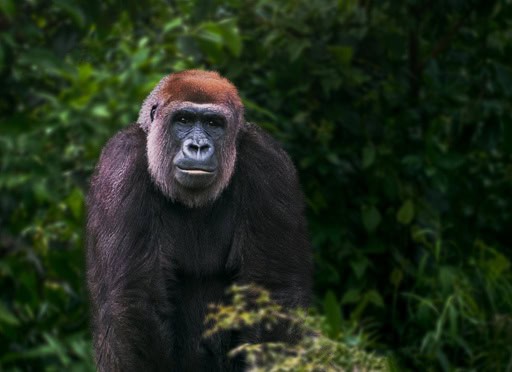
The moment a mountain gorilla looks directly at you from a few feet away, the question of Rwanda or Uganda gorilla trekking stops being about a checklist. Both countries protect endangered gorillas in spectacular forest landscapes, and both offer a tightly regulated, deeply moving hour with a habituated family. The real choice is about the kind of journey you want before and after that hour: polished and compact, or wilder, longer, and often more affordable.
For travelers planning an East African safari with meaning, Rwanda is usually the easier luxury choice. Uganda offers more route options, more varied forest experiences, and stronger value for travelers willing to trade convenience for time on the road. Neither is automatically better. Choose the country that fits your budget, pace, fitness, and interest in the wider destination.
Rwanda or Uganda Gorilla Trekking: The Key Difference
Rwanda’s gorilla treks take place in Volcanoes National Park, a dramatic landscape of bamboo forest and volcanic slopes in the country’s northwest. Most international visitors arrive through Kigali, then drive roughly two and a half to three hours to the park. That short transfer makes Rwanda especially appealing if you have limited vacation days or want to combine gorilla trekking with Kigali, Akagera National Park, or a tailor-made regional itinerary.
Uganda’s gorillas live in Bwindi Impenetrable National Park and Mgahinga Gorilla National Park in the southwest. Bwindi is enormous by comparison, with several trekking sectors and a greater number of habituated gorilla families. Reaching it can mean a domestic flight followed by a transfer, or a long road journey from Entebbe or Kampala. The effort is part of Uganda’s appeal for many travelers: the route passes tea country, small towns, rolling hills, and rural communities before the forest closes in.
Rwanda feels more streamlined. Uganda feels more expansive and variable. If you see gorilla trekking as the centerpiece of a short, high-end trip, Rwanda has an edge. If you want the trek to sit within a longer adventure through a country rich in wildlife, birdlife, lakes, and local encounters, Uganda is hard to beat.
Permit Prices Can Shape the Decision
For most travelers, the permit cost is the clearest dividing line. Rwanda’s standard gorilla trekking permit has been priced at US$1,500 for foreign visitors, while Uganda’s foreign nonresident permit has generally cost substantially less, around US$800. Fees can change, so confirm current prices before locking in flights or accommodations.
A permit funds conservation, ranger protection, veterinary monitoring, and community-related programs around the parks. It also grants one hour with a gorilla family after you locate them. It is not an all-day viewing experience, but the limited time is intentional. Fewer visitors and strict rules help reduce pressure on animals that remain vulnerable to disease and habitat loss.
The price difference can be significant for couples and families. Uganda may leave room in the budget for an extra safari, a better lodge, a chimpanzee trek in Kibale, or several days exploring Queen Elizabeth National Park. Rwanda’s higher permit cost can make sense when time is your scarcest resource and you value refined lodges, smooth logistics, and proximity to Kigali.
There is one important exception: Rwanda occasionally offers permit reductions or packages for certain travelers, residents, or longer stays. Do not assume these apply to your trip. Ask for the exact terms and dates when planning.
Trail Difficulty: Do Not Judge by the Country Alone
Every gorilla trek is a hike, not a stroll to a viewing platform. The gorillas move freely, so rangers locate each family that morning and your route depends on where they spent the night. You may walk for an hour or for several hours through mud, dense vegetation, uneven ground, and steep slopes.
Rwanda’s Volcanoes National Park sits at high elevation and can be demanding. Some groups may be relatively accessible, while others require a sustained climb through wet, slippery forest. The volcanic scenery is remarkable, with the peaks of the Virunga volcanoes appearing and disappearing through the mist.
Uganda’s Bwindi often feels more physically rugged because of its thick vegetation, narrow paths, and steep valleys. Its trekking sectors differ greatly. Buhoma is popular for its established lodging and forest setting; Rushaga and Nkuringo can involve more challenging terrain; Ruhija is a wonderful choice for birders and travelers who like a quieter, elevated atmosphere. Mgahinga offers a smaller-scale experience beneath the volcanic slopes and can suit travelers who want to pair gorillas with golden monkey tracking.
Fitness matters, but you do not need to be an elite hiker. Tell your operator about mobility concerns, age, or hiking confidence before permits are booked. In Uganda, porters are available and highly recommended. They can carry your daypack, steady you on slippery sections, and provide paid work in neighboring communities. A sturdy pair of broken-in hiking boots, long pants, gloves, rain layers, water, and a walking stick make a real difference in both countries.
Time, Comfort, and the Feel of the Trip
Rwanda offers one of Africa’s most efficient primate-tracking itineraries. You can land in Kigali, visit the city’s moving Genocide Memorial and growing creative neighborhoods, then reach the Volcanoes region the same day. Many upscale lodges are close to park headquarters, with thoughtful service, excellent food, fireplaces, and views toward the volcanoes. It is a strong fit for honeymooners, first-time Africa travelers, and anyone connecting gorillas to a safari in Kenya, Tanzania, or southern Africa.
Uganda asks for more patience but rewards it with a broader sense of place. A road-based journey can be long, especially if you are traveling from Entebbe, but it reveals the country’s green, lived-in landscapes. Lodging ranges from simple community-run guesthouses to intimate forest lodges, so it is easier to build a trip across different budget levels.
Uganda is also better positioned for travelers who want more primates. Chimpanzee tracking in Kibale Forest, boat safaris on the Kazinga Channel, tree-climbing lions in Queen Elizabeth National Park, and the source of the Nile around Jinja can turn a gorilla trek into a fuller wildlife and culture-focused journey. Rwanda has compelling additions too, including golden monkeys in Volcanoes and Big Five safaris in Akagera, but the country is more compact and typically higher priced.
Wildlife Viewing and Gorilla Groups
Both destinations follow similar conservation principles. Visitors meet their trekking group early, are assigned a gorilla family, and walk with trained rangers and guides. Once the gorillas are found, you have up to one hour to observe, photograph, and simply absorb the experience. Keep at least 23 feet between you and the gorillas when possible, wear a mask if required, and follow ranger instructions immediately.
Uganda has more habituated gorilla families available for tourism, which can make permit availability more flexible, particularly outside peak travel periods. Rwanda has fewer groups and strong international demand, so permits can sell out well in advance for popular dates. July through September and December through February are especially busy.
There is no reliable way to guarantee babies, silverbacks, or an easy hike in either destination. Gorilla families move, weather changes, and park staff make assignments based on conditions. That uncertainty is part of a genuine wildlife encounter, not a flaw in the experience.
For travelers with a special interest in conservation, Uganda offers a gorilla habituation experience in select Bwindi sectors. This longer, more limited activity allows visitors to spend additional time with a family still becoming accustomed to human presence. It costs more than a standard Uganda trek and is more demanding, but it can be a meaningful option for repeat safari travelers who understand the stricter conditions.
When to Go and How to Plan Well
Gorilla trekking operates year-round. The drier months, roughly June through September and December through February, usually bring firmer trails and easier road conditions. They also bring greater demand and, in some areas, higher lodging rates. The wetter months can mean muddy hiking, but the forests are intensely green, visitor numbers may be lower, and photography can be beautifully atmospheric between showers.
Book your permit before confirming nonrefundable flights. Then choose accommodation close to the correct park gate or trekking sector. This is particularly critical in Bwindi, where a lodge that looks close on a map may be several hours from your assigned trailhead due to mountain roads.
Build in a buffer night before your trek, especially in Uganda. A delayed flight, difficult road conditions, or a missed connection should not put a once-in-a-lifetime permit at risk. Carry a valid passport, follow health requirements carefully, and do not trek if you are sick. Gorillas share much of our DNA and are susceptible to human respiratory illnesses.
The best decision is the one that leaves you present when the forest goes quiet and a gorilla family appears through the leaves. Choose Rwanda if you want a concise, comfortable, premium journey. Choose Uganda if you want a more varied, value-conscious adventure with room to travel deeper. Either way, travel with respect, listen to local guides, and give this remarkable encounter the time it deserves.