Is South Africa Safe? A Practical Travel Guide
A sunrise game drive in Kruger, a slow afternoon in the Cape Winelands, and a meal shared around a Johannesburg table can make South Africa feel wonderfully immediate. But is South Africa safe for travelers? The honest answer is yes, with preparation and good judgment. It is not a destination to visit on autopilot, yet millions of visitors have rewarding, trouble-free trips every year.
South Africa has a serious crime challenge, and travelers should take that reality seriously rather than relying on postcard imagery. At the same time, risk is not evenly spread across the country, nor is every unfamiliar neighborhood unsafe. A well-planned itinerary, reliable transport, local advice, and a little situational awareness go a long way. Travel deeper, but travel thoughtfully.
Is South Africa Safe for Tourists?
For most visitors, the greatest risks are opportunistic theft, bag snatching, vehicle break-ins, scams, and being in the wrong place after dark. Violent crime does occur, particularly in areas facing deep economic inequality, but tourists are far more likely to encounter petty crime than the kinds of incidents that make international headlines.
Your experience depends heavily on where you stay and how you move around. A couple enjoying Cape Town’s restaurants, a family on a guided safari, and a solo traveler arriving late in Johannesburg will face different decisions. South Africa rewards travelers who organize the practical details before landing instead of improvising transport, accommodation, and late-night plans along the way.
Check current government travel advice before departure, especially if conditions change in a particular city or region. Then balance those updates with guidance from your hotel, host, tour operator, or a trusted local guide. They will often know which routes, walking areas, and times of day are sensible during your stay.
Choose Your Base With Care
Location matters more than finding the lowest room rate. In Cape Town, many first-time visitors feel comfortable staying in well-established areas such as the V&A Waterfront, City Bowl, Gardens, Camps Bay, Green Point, or Sea Point, depending on their budget and preferred atmosphere. These neighborhoods still require normal city awareness, particularly at night and on quiet streets.
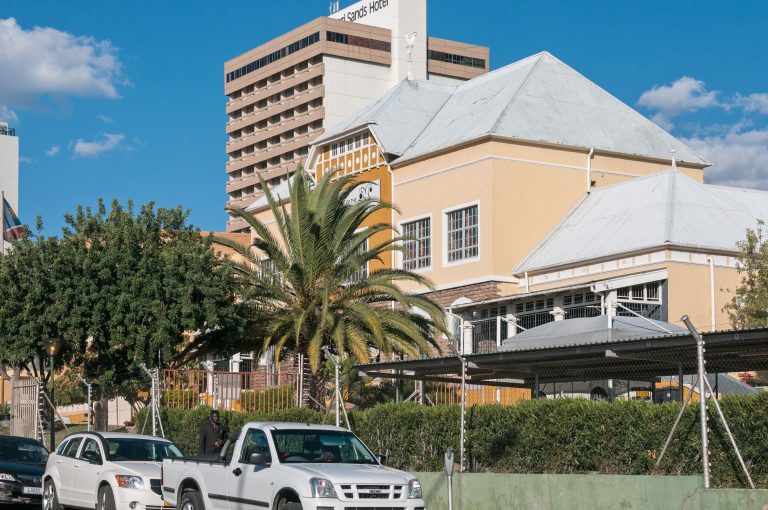
In Johannesburg, visitors often choose hotels in Sandton, Rosebank, Melrose Arch, or nearby business-oriented areas with dependable security and easy access to restaurants. Johannesburg is expansive, so plan your daily routes rather than assuming attractions are an easy walk apart. In Durban, select a reputable hotel and ask staff directly about the safest ways to reach the beachfront, restaurants, and attractions.
Do not judge an area solely by how close it appears on a map. A short distance can involve highways, isolated stretches, or neighborhoods that are not designed for casual sightseeing on foot. This is one of the places where a local recommendation is worth more than a generic travel app.
Walking After Dark
Avoid walking alone after dark, even in areas that feel busy during the day. That includes popular entertainment districts when you are leaving a restaurant, bar, or event. Arrange a ride, ask your accommodation to call a reputable taxi, or use a recognized ride-hailing service where it is operating reliably.
During daylight, enjoy walkable areas with confidence, but keep your phone and camera out of sight when you do not need them. If you want to explore a neighborhood beyond the usual visitor circuit, go with a local guide. It is not only a safer choice – it is often the richer cultural experience.
Getting Around Safely
Arriving prepared can remove much of the stress from South Africa’s large cities. At airports, use an official transfer arranged by your hotel or tour provider, or follow clear instructions for approved ride-hailing pickup zones. Decline unsolicited offers for rides, currency exchange, or help with luggage beyond official airport staff.
If you rent a car, choose a reputable company, inspect the vehicle, and understand your insurance coverage. Keep doors locked and windows up in city traffic, with bags and valuables stored in the trunk before you set off. Never leave electronics, luggage, shopping bags, or jackets visible inside a parked car. A concealed item is far less tempting than one left on a seat.
Road trips are one of South Africa’s great pleasures, from the Garden Route to the Panorama Route and the wide open roads of the Northern Cape. Drive in daylight when possible, fuel up before long rural stretches, and download offline maps. Avoid stopping on deserted roads unless necessary. If someone tries to flag you down in an unfamiliar or isolated area, keep moving to a safe, populated place and seek assistance there.
For city sightseeing, a private driver or guided day tour can be a worthwhile investment, particularly for travelers unfamiliar with Johannesburg or those arriving with limited time. It also leaves more room to focus on the stories behind the places you are seeing.
Keep Valuables Low-Profile
The safest look in any major city is relaxed and unflashy. Leave sentimental jewelry at home, carry only the cash and cards you expect to use that day, and keep a backup card separately from your main wallet. Use hotel safes when available, but do not assume any safe is infallible: keep passports, spare payment cards, and essential documents organized and photographed securely before your trip.
ATMs are best used inside banks, malls, or other monitored locations during daylight hours. Do not accept help from strangers at an ATM, and shield your PIN. In restaurants and shops, keep an eye on your card during payment or use tap-to-pay where possible.
Be alert in crowded places, at scenic viewpoints, and around parked cars. A moment spent framing a photo of Table Mountain or checking directions can make you less aware of who is approaching. There is no need to be anxious; simply pause in a safe spot, look around, and then take the photo.
Safaris, Nature, and Outdoor Safety
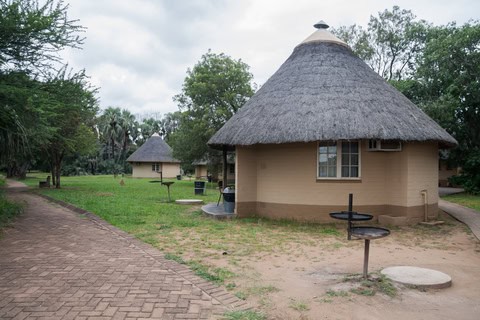
A professionally run safari is generally one of the easiest and safest ways to experience South Africa. Lodges and established reserves have trained rangers, clear procedures, and transport designed for wildlife areas. Listen when your guide says to remain in the vehicle, keep your voice low, or avoid walking away from camp after dark. Those rules protect both you and the animals.
South Africa’s landscapes bring their own practical risks. The sun is intense, even on cool coastal days, so use sunscreen, carry water, and wear a hat. Conditions can shift quickly on Table Mountain and along the coast. Start hikes early, check the forecast, take a charged phone, and choose established routes. For less familiar trails, join a guide or hike in a group rather than setting off alone.
In malaria-risk parts of the northeast, including some safari areas near Kruger, speak with a travel health professional before departure about prevention. Use insect repellent and follow lodge advice, especially at dawn and dusk. Wildlife, weather, and health planning deserve the same attention as urban safety.
Scams and Social Situations
Most encounters with South Africans will be warm, helpful, and memorable. Still, treat unexpected approaches with polite caution. Common pressure tactics can involve overly helpful strangers at ATMs, unofficial parking attendants, fake tour offers, or distractions meant to separate you from a bag or phone.
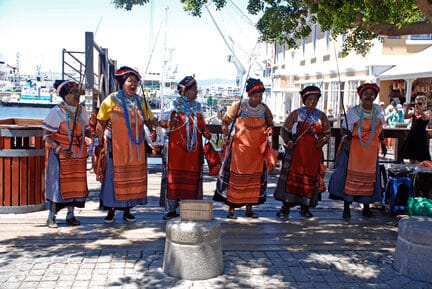
Agree on prices before accepting a service when a meter, booking confirmation, or posted rate is not available. Use licensed guides and established operators for township visits, heritage tours, and adventure activities. Responsible local tourism should benefit communities and give you context, not turn people’s daily lives into a spectacle.
If a situation feels uncomfortable, leave calmly. You do not need to argue, explain, or prove that you are right. Step into a hotel, shop, restaurant, or other staffed venue, then contact your accommodation or transport provider.
A Confident Way to Travel South Africa
Share your itinerary with someone you trust, save key numbers offline, and ask your accommodation for advice every time you plan to venture beyond the immediate area. If you need urgent help, South Africa’s emergency number 112 can be dialed from a cell phone. Keep your travel insurance details accessible as well.
South Africa is not a place to fear from afar. It is a country of extraordinary contrasts, generous hospitality, layered history, and landscapes that stay with you long after the flight home. Give its realities the respect they deserve, choose local knowledge over guesswork, and you will be free to notice what matters most: the stories, conversations, and wild places waiting beyond the itinerary.