Safari Lodge Booking Guide for Smart Planning
The difference between a good safari and a trip you talk about for years often comes down to one booking decision: the lodge. A strong safari lodge booking guide is not really about finding the fanciest room in the bush. It is about matching the right place to your wildlife goals, budget, travel style, and expectations before you pay a deposit.
Safari lodges can look similar in photos. Canvas, wood decks, sundowners, a waterhole view. But once you start comparing options in South Africa, Namibia, Rwanda, Kenya, Tanzania, Botswana, or Zambia, the real differences show up fast. Location, concession access, guiding quality, room setup, transfer logistics, and what is included all affect the experience far more than polished marketing copy.
How to use this safari lodge booking guide
Start with the safari you want, not the lodge you saw on social media. Some travelers want nonstop game drives and big cat sightings. Others care just as much about photography hides, family-friendly pacing, cultural context, or a quieter landscape where the sense of place matters as much as the wildlife checklist.
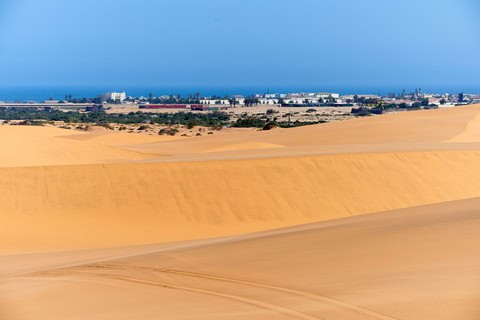
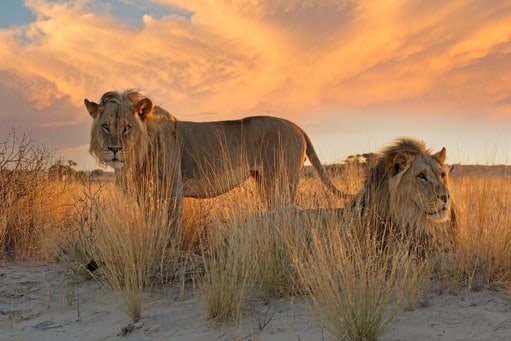
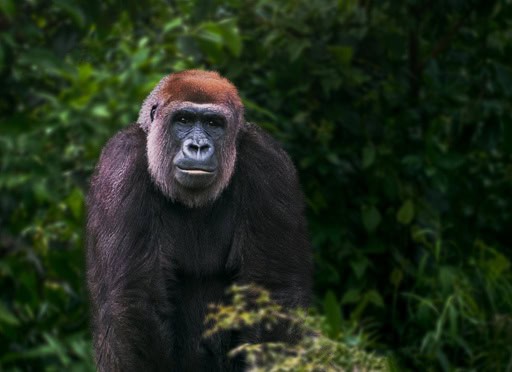
That matters because lodges are built around different kinds of safari experiences. A lodge in a private reserve near Kruger may give you off-road game viewing and flexible drives, while a property inside a national park may have stricter rules but lower rates or easier access. In Namibia, a lodge might be more about desert scenery, conservation stories, and tracking adapted wildlife than dense animal sightings every hour. In Rwanda, your lodge choice could shape how manageable your gorilla trek logistics feel.
The first question is simple: what kind of safari are you actually booking?
Pick the right location before the right room
The most common mistake travelers make is choosing a lodge based on aesthetics and only later realizing it is far from the wildlife area they had in mind. A beautiful lodge in the wrong location is still the wrong booking.
Think in layers. First choose the country based on season, budget, and the style of safari you want. Then choose the region or park. Only after that should you compare lodges. South Africa works well for first-time safari travelers who want good infrastructure and a wide range of price points. Botswana often suits travelers looking for a more exclusive, remote experience. Namibia is excellent for landscapes and self-drive combinations. Rwanda is highly specialized if gorilla trekking is the priority.
Even within one destination, lodge positioning matters. In larger ecosystems, some areas are better for predators, others for elephants, birdlife, migration timing, or dramatic scenery. A lodge near a river may deliver stronger dry-season game viewing. A camp in a quieter zone may offer fewer vehicle sightings and a more intimate feel. Neither is automatically better. It depends on what kind of memory you are trying to create.
Ask what game viewing access really means
This is where details matter. Two lodges may both say they are “near” a famous safari area, but one may sit inside a prime conservancy while the other requires longer drives to reach productive wildlife zones. Ask whether game drives take place inside a national park, on private land, or across both. Ask whether off-road driving is allowed, whether night drives are included, and whether walking safaris are offered.
Those details can completely change the rhythm of your trip. If you are a photographer, flexible vehicle positioning can matter more than thread count. If you are traveling with kids, shorter transfers and shorter game drives may be the better call.
Understand lodge styles and what they mean in practice
Not every safari lodge is trying to be luxurious in the same way. Some are classic and comfortable. Some are design-led and intimate. Some are highly family oriented. Some are closer to tented camps with a stronger sense of immersion.
This is not just about taste. It affects how you will feel after two or three days in the bush. A larger lodge may have a pool, spa, broader dining setup, and easier social energy. A smaller camp may offer more personal hosting and better guide continuity, but less privacy if common areas are compact. Tented camps can feel unforgettable, though they may also come with more exposure to weather, sounds, and a lighter infrastructure.
If you are a light sleeper, ask about generator hours, room spacing, and whether wildlife regularly moves through camp at night. That might sound romantic online, but some travelers love it while others barely rest.
Luxury, mid-range, and value are not fixed categories
Safari pricing can be deceptive because inclusions vary so much. One lodge may look expensive until you realize transfers, all meals, drinks, laundry, and twice-daily activities are included. Another may seem cheaper but charge extra for premium park fees, conservation levies, airport transfers, or specialty activities.
A smart comparison means looking at total trip cost, not nightly rate alone. In many cases, a well-run mid-range lodge in a superb wildlife area will deliver a better safari than a more stylish property in a weaker location.
Book around the season, not just your vacation days
Season shapes everything – wildlife density, scenery, road conditions, rates, and how busy a lodge feels. The same property can feel like two different trips depending on the month.
Dry season usually brings easier wildlife viewing because animals gather near water and vegetation is thinner. It is often the premium period for classic game viewing in southern and eastern Africa. Green season can mean lower prices, dramatic landscapes, migratory birds, fewer vehicles, and better value, but game viewing may be less concentrated in some areas.
This is where trade-offs matter. If you care most about big game sightings, peak or shoulder dry season may be worth the higher price. If you want photography, moody skies, baby animals, or quieter travel, green season can be an excellent choice. Families tied to school breaks often need to plan much earlier because the most practical room types sell out first.
Look closely at logistics before you confirm
A safari lodge can be perfect on paper and still be the wrong fit if the logistics are exhausting. Internal flights, charter baggage limits, road transfer times, border crossings, and arrival sequencing all affect your trip more than most travelers expect.
Check how you actually get there. Is the lodge reached by scheduled light aircraft, private charter, or several hours by road? If you are combining destinations, do the transfer timings work without stressful overnight stops? If you are carrying camera gear, are baggage restrictions realistic? If you are ending with beach time, does the route make sense or are you adding unnecessary transit days?
Travelers often underestimate how tiring a multi-camp itinerary can become. Two excellent lodges with constant movement between them may feel less rewarding than one great lodge with enough time to settle in.
The questions worth asking before you book
A good safari lodge booking guide should save you from vague assumptions. The right questions usually reveal more than the brochure does.
Ask what is included in the rate, which activities are standard, and whether there are age restrictions for drives or walks. Ask about room configurations if you are traveling as a family or with friends. Ask how many guests share a vehicle. Ask whether specific guides can be requested, though never assume availability.
You should also ask practical comfort questions. Is there air conditioning or only fans? Is Wi-Fi available and, if so, where? Are meals fixed or flexible around drives? Are special diets handled well? These details may sound small, but they shape the overall ease of the experience.
Read reviews carefully, but read between the lines
Guest reviews are useful when they mention specifics. Pay more attention to comments about guiding, staff warmth, maintenance, food consistency, and wildlife access than generic praise like “amazing stay.” A lodge can have beautiful design and weak guiding, or modest rooms and exceptional hosting.
Look for patterns rather than one-off complaints. If multiple guests mention long transfer times, tired rooms, or poor communication around inclusions, take that seriously. If several reviews praise the same guide team or mention thoughtful cultural and conservation context, that is usually a strong sign.
Match the lodge to your travel style
Couples on a milestone trip may want privacy, atmosphere, and a longer stay in one high-quality lodge. Solo travelers often benefit from camps with communal dining, shared activities, and a warm social rhythm. Families need flexible schedules, family units, patient guides, and realistic transfer lengths. Serious photographers may prioritize hide access, open vehicles, and top-tier guiding over spa facilities.
There is no best lodge in the abstract. There is only the best lodge for this trip.
That is where a trusted planning mindset matters. At Damtos Adventure, the most rewarding safari choices are usually the ones rooted in place, season, and purpose rather than pure aspiration. The lodge should support the experience you came for, not distract from it.
When to book and how far ahead matters
The top safari lodges often fill far earlier than travelers expect, especially for peak migration windows, dry season months, festive travel, and family units. If you have fixed dates and a specific lodge or region in mind, booking six to twelve months ahead is often sensible. For very high-demand properties, even earlier is better.
Last-minute bookings can work in lower season or for travelers with flexible dates, but flexibility has to be real. If you need exact travel weeks, certain room types, and easy flight connections, waiting usually narrows your options.
The best safari lodge booking guide will always point you back to the same idea: choose with clarity. Know what kind of safari you want, ask better questions than most travelers ask, and let the landscape lead the decision. When the lodge fits the destination instead of just looking good online, the whole journey feels more grounded, more comfortable, and far more memorable.