Kruger versus Etosha for Your Best Safari
A leopard slipping through riverine brush, elephants crowding a waterhole, a horizon so wide it makes you stop talking – Kruger versus Etosha is not simply a contest between two famous parks. It is a choice between two very different ways of experiencing southern Africa. Kruger feels varied, lush in places, and richly layered with wildlife encounters. Etosha feels vast, elemental, and wonderfully focused around its desert-edge waterholes.
Both parks can deliver an exceptional safari. The better choice depends on how you like to travel, what animals matter most to you, how much time you have, and whether you want your safari framed by South Africa’s established tourism infrastructure or Namibia’s dramatic open landscapes.
Kruger versus Etosha: the essential difference
Kruger National Park in northeastern South Africa is enormous, ecologically diverse, and packed with established safari routes, rest camps, private reserves, and lodge options. Its landscapes range from dense bush and river corridors to open grassland. That diversity supports an extraordinary range of animal life and gives repeat visitors a reason to keep returning.
Etosha National Park occupies a strikingly different world in northern Namibia. The vast Etosha Pan, a shimmering salt pan visible from space, defines the park’s atmosphere. Much of the wildlife action centers on waterholes, especially during the dry season, when animals travel in from the surrounding dry woodland and scrub.
Choose Kruger if you want a broad, wildlife-rich safari with many accommodation levels and the option to combine independent driving with guided game drives. Choose Etosha if you are drawn to stark scenery, quieter roads, memorable waterhole viewing, and a Namibia itinerary that may also include Sossusvlei, Damaraland, or the Skeleton Coast.
Wildlife: abundance or waterhole drama?
Kruger’s variety and Big Five strength
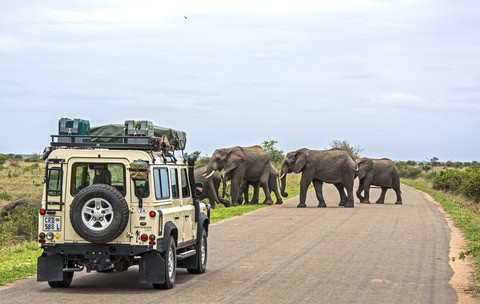
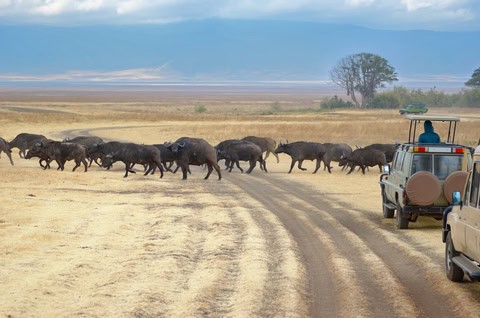
Kruger is one of Africa’s strongest all-around wildlife destinations. The Big Five – lion, leopard, elephant, buffalo, and rhino – are all present, alongside cheetahs, African wild dogs, giraffes, hippos, crocodiles, zebras, and an exceptional bird list. Its varied habitats make a real difference. A morning drive along a river might bring elephants, waterbuck, and hippos; later, dry savanna could produce lions, vultures, and herds of buffalo.
Leopard sightings are a major reason many travelers favor Kruger, particularly in and around private reserves bordering the park. Nothing is guaranteed on safari, but the combination of experienced guides, tracking knowledge, and healthy wildlife populations can make Kruger especially rewarding for travelers hoping to see elusive predators.
The trade-off is visibility. Thick brush can hide animals only yards from the road, especially in the wetter summer months. This makes sightings feel more thrilling, but it can also demand patience.
Etosha’s open-air theater
Etosha also offers the Big Five, though buffalo are not found in the park. Black rhinos are a particular Etosha highlight, and the park is one of the most rewarding places in southern Africa to look for them, especially at waterholes after dark. Lions, elephants, giraffes, zebras, springbok, and large herds of oryx are frequent stars of the show.
The magic of Etosha is not necessarily chasing a sighting around every bend. It is parking quietly at a waterhole and watching the scene change. A lone giraffe may arrive first, followed by zebra, then elephants, while jackals patrol the edges and dust turns gold in the late afternoon.
Etosha’s flatter, more open terrain often makes animal spotting easier than in Kruger’s denser bush. For photographers, families, and first-time safari travelers, that visibility can be deeply satisfying. Predator sightings can be excellent, but Kruger generally has the edge for sheer species diversity and the feeling that something could be around every corner.
Scenery and safari atmosphere
Kruger is a living mosaic. Its rivers, mopane woodland, granite outcrops, and grassy plains give each area a distinct personality. The south is often busier and greener, with high wildlife density and accessible roads. The central region is known for open grasslands and large herds, while the north feels wilder, quieter, and more remote.
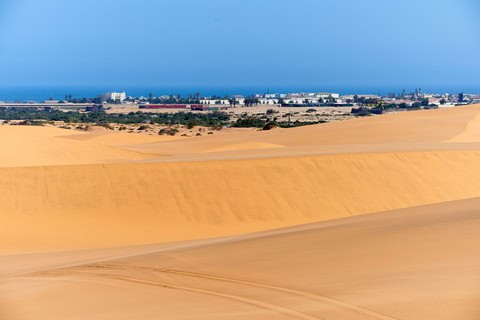
Etosha is visually bolder. The pale pan, distant heat haze, thorny vegetation, and enormous skies create a sense of space that is hard to find elsewhere. It is less traditionally lush than Kruger, but that is exactly its appeal. Namibia’s arid beauty makes every animal encounter feel sharply composed against the landscape.
If your dream safari involves green bush, winding rivers, and layered wildlife habitats, Kruger is likely your match. If you want cinematic emptiness, desert-adapted atmosphere, and dramatic skies, Etosha will stay with you long after the trip ends.
Self-drive, guided safaris, and where to stay
Both parks work well for self-drive travelers, but the experience differs.
Kruger has an extensive road network, clearly marked rest camps, fuel stations, shops, and a wide range of places to sleep inside and outside the park. You can build a budget-conscious trip around the public rest camps, or stay in a private reserve for polished lodges, guided drives, bush walks, and more personalized service. Private reserves usually cost more, but they may offer off-road tracking where permitted and evening drives that continue after public park gate hours.
Etosha is also very manageable by rental car and feels particularly suited to a relaxed self-drive rhythm. The main camps, including those with floodlit waterholes, give visitors an unusual advantage: wildlife viewing can continue after you have returned from the road. Sitting quietly at night as rhinos and elephants emerge from the dark is one of Etosha’s signature experiences.
For travelers who prefer expert interpretation, guided safaris add depth in both destinations. A strong local guide can read tracks, identify bird calls, explain animal behavior, and share useful cultural and conservation context. In Namibia, a guided journey can be especially valuable if you are extending beyond Etosha into more remote regions. In South Africa, it can help first-time visitors make the most of Kruger’s huge network of habitats.
Cost and trip planning realities
Kruger offers more choice at almost every price point. Public camps and self-drive travel can keep costs reasonable, while luxury lodges in the Greater Kruger area can become a major splurge. Flights into the broader region are often convenient, and the park combines easily with Johannesburg, the Panorama Route, or Cape Town via a domestic flight.
Etosha can be excellent value when folded into a longer Namibia road trip, although Namibia’s long driving distances require careful planning. Fuel, vehicle rental, and one-way routes can add up. Accommodation choices around Etosha are more limited than in the Kruger region, particularly in peak periods, so booking early is wise.
Neither park is automatically the cheaper option. A simple Kruger self-drive itinerary may cost less than a fully guided Namibia circuit, while an upscale private reserve stay can cost far more than comfortable Etosha camp lodging. Compare the whole trip, not only nightly rates.
When to go
For wildlife viewing, the dry season is generally strongest in both parks. In Kruger, roughly May through September brings thinner vegetation and animals gathering closer to permanent water. Days are usually pleasant, though early mornings and evenings can be chilly. This is also a popular period, particularly in the south and around school holidays.
Etosha is at its most concentrated from about June through October, when waterholes become natural meeting points for wildlife. September and October can be very hot, but the dry conditions often create spectacular viewing. The green season, usually from November through March, brings fresh landscapes, migratory birds, and fewer visitors, though rain can disperse animals and some roads may be less straightforward.
If you are traveling with children or want a gentler climate, aim for the cooler dry-season months. If birding, green landscapes, and fewer crowds matter more than easy predator sightings, consider the rainy season.
Which safari should you choose?
Choose Kruger when you want the greatest range of wildlife, more chances for leopard and wild dog sightings, flexible accommodation, and a safari that can be as independent or as luxurious as you want. It is also a smart choice for a first safari when convenience, established facilities, and varied landscapes are high priorities.
Choose Etosha when the landscape itself is part of the reason you travel. It suits visitors who enjoy self-driving, appreciate unhurried observation, and want to watch wildlife gather at waterholes beneath Namibia’s huge skies. Pair it with the country’s desert, coast, and cultural landscapes, and the trip becomes far more than a park visit.
The best decision may be the one that leaves room for the journey around the safari. Give yourself time to stop, listen, and let the landscape set the pace. Whether it is a lion’s call in Kruger before dawn or a rhino at Etosha’s waterhole after dark, those quiet moments are where Africa becomes personal.