Gambia Travel Guide for Culture and Wildlife
The Gambia is often introduced as a beach break, but that is only the beginning. This slender West African country follows the River Gambia deep inland, linking Atlantic beaches with mangrove creeks, lively markets, sacred sites, and villages where the pace changes completely. Use this Gambia travel guide to plan beyond the resort strip and shape a trip with real cultural and natural depth.
Why The Gambia rewards curious travelers
The country is small enough to make a focused one-week trip feel generous, yet varied enough to support two weeks without repetition. On the coast, palm-lined beaches and hotels around Kololi, Kotu, and Cape Point offer an easy landing. A few miles away, Serrekunda market is loud, colorful, and intensely local. Travel farther upriver and the landscape opens into river channels, farmland, forests, and communities where a local guide can turn a scenic stop into a meaningful encounter.
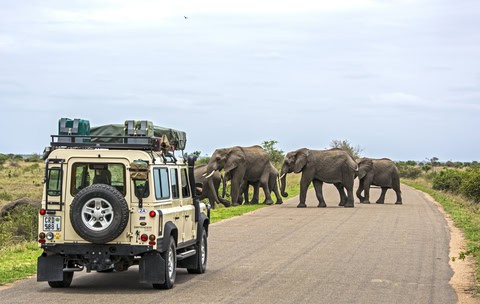
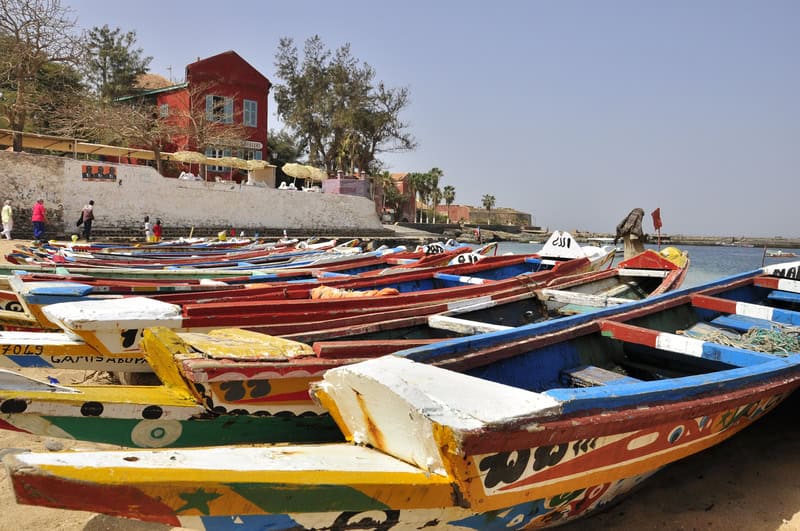
The Gambia is especially strong for travelers who value birds, river life, music, food, and conversation over a checklist of headline attractions. It is not the place to expect a classic Big Five safari. Wildlife sightings can be quieter and less predictable than in Kenya, Tanzania, or South Africa. The reward is intimacy: a kingfisher flashing through the mangroves, chimpanzees calling across the river, or a morning spent watching fishermen bring in their catch.
English is the official language, which makes independent travel more approachable for US visitors. Mandinka, Wolof, Fula, Jola, and other languages are widely spoken, and greetings matter. A warm hello, patience, and a willingness to ask before taking photographs go a long way.
When to go: dry-season sun or green-season calm
For first-time visitors, November through May is usually the easiest time to travel. This is the dry season, with sunny days, lower humidity, and roads that are generally simpler for inland journeys. December through February can bring Harmattan haze from the Sahara, softening blue skies and occasionally affecting views.
June through October is wetter, greener, and quieter. Rain often falls in heavy bursts rather than all day, but rural roads and river travel can be more complicated. Birders may appreciate the lush landscapes and fewer visitors, while travelers hoping for long beach days may prefer the dry months.
The Christmas and New Year period is popular with European winter-sun travelers, so coastal rooms can book early and prices may rise. For a better balance of weather, availability, and atmosphere, consider late November, March, or April.
Where to base yourself in The Gambia
The coast for first nights and easy access
The coastal area is practical for arrivals and offers the widest choice of accommodations, from simple guesthouses to established beach resorts. Kotu suits travelers who want a calmer beach base with excellent birdwatching near the creek. Kololi has more restaurants, nightlife, and activity, making it a good match for couples or travelers who enjoy being able to walk out for dinner. Cape Point and Bakau feel more settled and can be a better choice for a quieter stay.
Do not spend every night here if you have time. The coast is convenient, but it cannot represent the country’s full character.
Banjul and Serrekunda for urban energy
Banjul is the compact capital, located on an island at the mouth of the river. Its streets hold colonial-era traces, government buildings, markets, and ferries connecting travelers to the north bank. It is more useful as a cultural stop than as a resort base.
Serrekunda is the country’s commercial heartbeat. Its market is one of the best places to understand everyday movement in The Gambia, from tailors and fabric sellers to produce stalls and small food counters. Go with a guide if you are new to busy West African markets, or arrive with a relaxed attitude and enough time to wander without rushing.
The river for nature and deeper connections
A trip upriver is where The Gambia begins to feel larger than its map suggests. Tendaba, Georgetown – also known as Janjanbureh – and river lodges in the central regions can form the backbone of a slower itinerary. Boat excursions may reveal dolphins near the coast, birdlife in wetlands, and, in the right locations, primates and other wildlife.
River travel takes time. Distances may look modest, but road conditions, ferry schedules, and stops along the way can stretch a journey. That is not a flaw to plan around; it is part of the experience. Build in unhurried days and use knowledgeable local drivers or guides for overnight inland trips.
Experiences worth building a trip around
Start with the River Gambia. A morning boat ride through mangroves is one of the most accessible ways to see the country’s ecological richness. Ask operators how they manage waste, keep a respectful distance from wildlife, and work with local communities.
For wildlife, Abuko Nature Reserve is close to the coast and works well as a short outing, particularly for monkeys, birds, and forest vegetation. River Gambia National Park, farther inland, is a more ambitious addition and is known for its chimpanzee rehabilitation program. Access and viewing conditions vary, so set expectations around the journey and the wider landscape rather than treating it as a guaranteed animal encounter.
Cultural stops deserve equal space. Visit a local market with someone who can explain ingredients and customs. Try domoda, a rich peanut-based stew often served with rice, or benachin, a one-pot rice dish whose name translates to “one pot.” Attend live music where possible, especially performances rooted in kora traditions. The Gambia’s culture is not a display put on for visitors; listen first, participate when invited, and support artists directly.
For history, consider a thoughtful visit to sites connected to the transatlantic slave trade, including Kunta Kinteh Island and nearby heritage areas. These are places for reflection, not rushed photo stops. A well-informed guide adds essential context about the region’s history and its continuing significance.
Practical planning for a Gambia trip
Most international visitors arrive through Banjul International Airport. Entry and visa rules depend on your passport and can change, so check the latest requirements with official sources before booking. Travel insurance with medical evacuation coverage is a sensible safeguard, particularly if you plan to travel inland.
The local currency is the Gambian dalasi. Cash remains essential outside larger hotels and restaurants, and card acceptance is inconsistent. Bring a backup payment method, use ATMs in larger towns when available, and do not rely on finding cash easily in remote areas. Confirm rates before taxi rides and agree on the fare in advance when a meter is not in use.
Shared taxis and minibuses are inexpensive and immersive, but they are not ideal when you are carrying luggage, working to a schedule, or traveling with young children. Private drivers cost more but offer comfort, local context, and flexibility for stops. For an inland itinerary, that trade-off is usually worthwhile.
Pack light, breathable clothing, a sun hat, reef-safe sunscreen, insect repellent, and a reusable water bottle. Modest clothing is appreciated in villages, markets, and religious settings. Swimwear belongs at the beach or pool, not in town. Ask permission before photographing people, especially vendors, elders, or religious spaces.
A simple route for seven to ten days
Give yourself three nights on the coast to settle in, visit a market, explore a nature reserve, and enjoy a river or creek excursion. Then spend two or three nights inland around a river lodge or Janjanbureh, using the journey itself for village visits, birding, and historical context. Finish with one or two coastal nights before departure, leaving room for a final meal, a craft purchase, or a quiet walk on the sand.
Families may prefer a coast-and-river combination with fewer hotel changes. Solo travelers often benefit from arranging selected guided day trips, particularly for markets and inland travel, while keeping free time for café stops and beach walks. Couples can lean into smaller eco-lodges and sunset boat trips. The best itinerary depends less on how many places you can fit in and more on how much time you allow each place to reveal itself.
The Gambia asks travelers to slow down, greet people properly, and let the river set the rhythm. Make room for the unplanned conversation, the roadside tea stop, and the guide who knows which turn leads to a village celebration. That is where a trip becomes more than a warm-weather escape.