Budget vs Luxury Travel in South Africa: What to Expect
Detailed Comparison of Budget Travel and Luxury travel to guide you
Your budget travel to South Africa is the key consideration in determining type of vacation you will experience. You can see South Africa for $40 and also spend $2,000 a night. Both versions exist on the same stretch of coastline. Both price points will give you wildlife, mountains, and wine. However, the experience changes completely depending on your budget.
Guide on 12 best places to visit in South Africa
This guide shows you what you get at each level. These are real numbers, highlighting practical differences, and honest advice on where your money actually matters.
South Africa is one of the few countries where budget travel still works well. The exchange rate helps. One US dollar gets you around 19 South African rand as of early 2026. One euro gives you about 20.50 rand. That means your money stretches further than in Europe or North America.
But luxury travel here also delivers serious value. A high-end safari in South Africa costs half what you pay in Botswana or Tanzania. A five-star Cape Town hotel with ocean views might run $300 a night instead of $800 in Sydney or Barcelona.
Let’s break down every category. You will see exactly where to save and where to spend.

The Big Picture: Daily Budgets Compared
A budget traveler spends $40 to $70 per day. That covers a hostel dorm or basic guesthouse room, local transport, street food and supermarket meals, plus a few paid activities each week.
A mid-range traveler spends $120 to $200 per day. You get a private room in a good guesthouse, restaurant meals, rental car sharing, and most activities including a budget safari.
A luxury traveler spends $350 to $1,000+ per day. Private game reserves, five-star hotels, fine dining, private transfers, and exclusive experiences.
These numbers exclude international flights. They also exclude major safari packages which we will cover separately.
Accommodation: Hostel Dorms to Private Villas
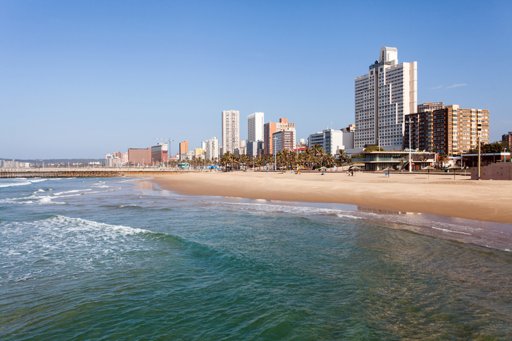
Budget accommodation in South Africa works well. Hostels in Cape Town, Johannesburg, and Durban charge $12 to $20 for a dorm bed. Many have pools, braai areas, and clean kitchens. The Daddy Long Legs in Cape Town charges around $25 for a private room with shared bathroom. Backpackers in St Lucia near the hippos cost $15 per night.
Guesthouses offer the best value for budget travelers who want privacy. A simple en-suite room in a suburban guesthouse runs $30 to $50. You get a bed, air conditioning, and usually breakfast. Places like Rondebosch in Cape Town or Umhlanga in Durban have these options.
Luxury accommodation changes the game completely. A room at the Silo Hotel in Cape Town starts at $800 per night. You get the rooftop pool, the art gallery downstairs, and a view of Table Mountain that makes you forget the price. At the other end, Grootbos Private Nature Reserve near Hermanus charges $600 for a forest lodge suite. That includes meals, guided fynbos walks, and whale watching in season.
But you do not need to spend that much for luxury. The Mount Nelson in Cape Town costs $300 to $450 a night. You get the famous pink building, afternoon tea, and a pool that has hosted royalty. The Oyster Box in Umhlanga runs $250 to $400. You get the lighthouse views, the curry buffet, and service that feels like old-school grand hotels.
The real difference comes in the details. Budget places give you a bed and a fan. Luxury places give you a pillow menu, heated floors, and someone who remembers your coffee order after one morning.
Food and Dining: Street Braais to Tasting Menus
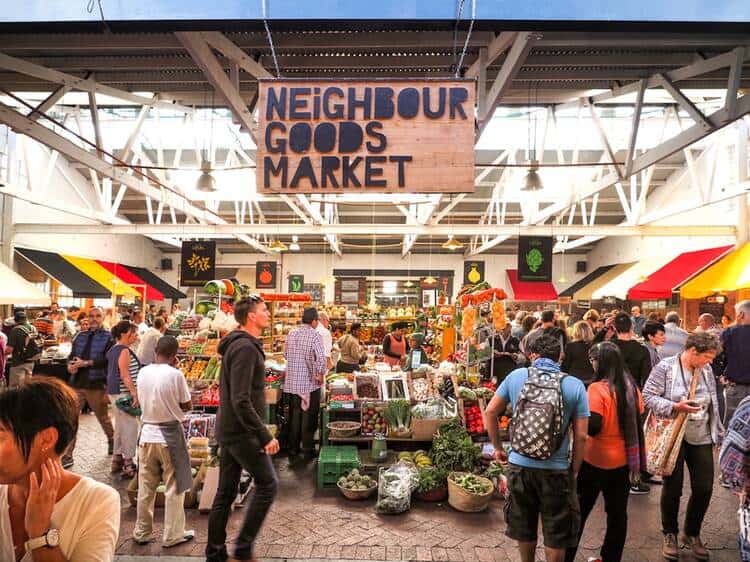
You can eat well on $10 a day in South Africa. A gatsby sandwich from a corner shop costs $5 and feeds two people. Bunny chow in Durban runs $4. A full English breakfast at a local cafe costs $6. Supermarket meals cost less. A loaf of bread, cheese, tomatoes, and avocado set you back $5 for two days of lunches. Here’s a guide for budget travelers showing where locals eat.
Braai stands appear on street corners in townships and suburbs. For $2 you get a chicken skewer or a boerewors roll with sauce. This is the real South African food taken by locals. You will have grilled meat on fire and eat together with other people.
Restaurants in tourist areas charge more. A burger and beer in Camps Bay costs $15. Pasta in a Stellenbosch tourist spot runs $12. You can avoid these by walking two blocks inland.
Mid-range dining gives you excellent value. A three-course meal at a good Cape Town restaurant like Pot Luck Club costs $35. That is the lunch price. Dinner goes to $50. Wine pairing adds another $20. For $60 total you eat at a level that would cost $150 in New York.
Luxury dining means tasting menus at La Colombe or The Test Kitchen. Expect $100 to $150 per person before wine. You get eleven courses, some served on rocks or in smoke-filled domes. The food is exceptional.
A better luxury move is private dining at a wine estate. Delaire Graff charges $80 for a lunch with wine pairings. You sit overlooking the Banghoek Valley. The food matches the view. This feels more South African than a molecular gastronomy show.
One tip for budget travelers is to buy wine at supermarkets. A bottle of decent pinotage costs $4. The same wine in a restaurant costs $20. Carry a corkscrew and drink at your guesthouse.
Safari: Kruger Self-Drive vs. Private Reserves
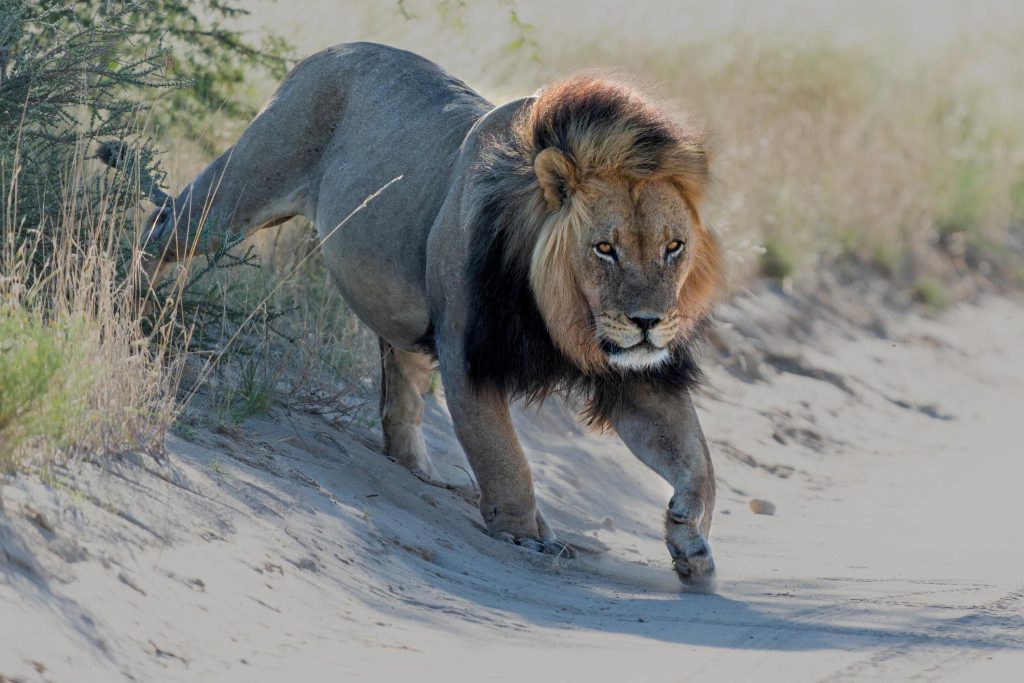
This is where your budget choice changes everything. A safari in South Africa ranges from $30 to $1,500 per day. With both, you can see any of the Big five or other animals. The difference is comfort, convenience, and the quality of sightings.
Budget safari means Kruger National Park. You pay $25 per person per day entry fee and stay in SANParks rest camps. You drive your rental car on the roads and spot elephants, zebras, and giraffes from your window. A basic hut with shared bathroom costs $35 per night. A two-bedroom bungalow with air conditioning and private kitchen costs $80.
You cook your own meals or use the camp cafeteria. A full breakfast runs $6 and Dinner buffet costs $10. You join sunset drives for $30 using open vehicles with guides who know where the lions hide.
This is the more popular option by most tourists. With patience, you will see the Big Five if you spend three days driving slowly. Animals sometimes stay far from the road as other cars crowd around to sight a leopard or elephant.
Luxury safari means private game reserves adjacent to Kruger which includes Sabi Sand, Timbavati and Manyeleti. These reserves have no fences between them and Kruger. Animals move freely but only reserve vehicles and guests enter the land.
A night at Londolozi starts at $1,200 and that includes everything. Two game drives per day in open vehicles with expert trackers and three meals plus snacks and drinks. Your guide communicates with other guides by radio. When a leopard walks past, you will be the first to get there and stay close for twenty minutes with no other cars to interrupt.
The rooms at this level have outdoor showers, private plunge pools, and views over dry riverbeds. You wake up to coffee delivered to your deck while watching the sunrise as a herd of impala walks fifty meters away.
You can find middle ground as Private reserves outside the famous Sabi Sand cost less. Klaserie Private Nature Reserve has lodges from $300 per night all-inclusive. You still get the open vehicle, the trackers, and the uncrowded experience. You just have to skip the outdoor shower and the designer furniture.
Which one should you choose? If you want to see animals and do not mind basic conditions, drive Kruger yourself. If you want to see animals without the crowds and you have the money, book a private reserve. Do not split the difference with a budget guided tour that puts twelve people in a minivan. That gives you the worst of both.
Cape Town: Beach Huts to Clifton Mansions
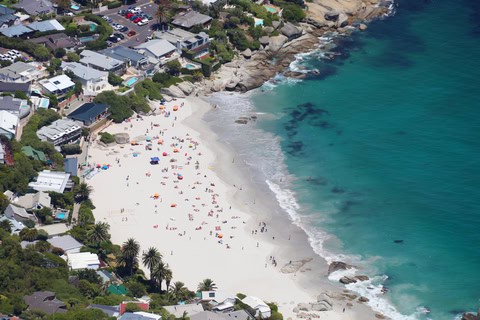
You can experience Cape Town for any budget. The city has expensive parts and cheap parts within walking distance.
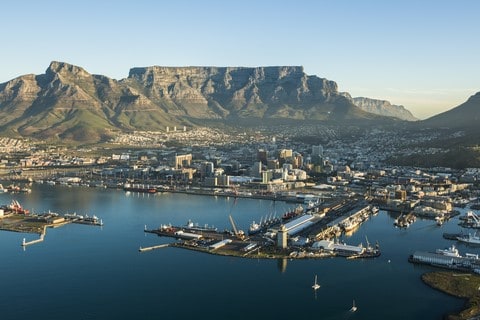
Budget travelers stay in Green Point, Observatory, or Gardens. A private room in a guesthouse costs $35. You walk to the V&A Waterfront in twenty minutes or take a minibus taxi for 50 cents. You eat at Eastern Food Bazaar for $4 and drink at Beerhouse on Long Street for $3 a pint.
For budget travel you can:
- hike Table Mountain for free
- Take the train to Simon’s Town for $2.
- See the penguins at Boulders Beach for $8 entry.
- Visit the Company’s Garden and the South African Museum for free.
Or join a free walking tour and tip what you can.
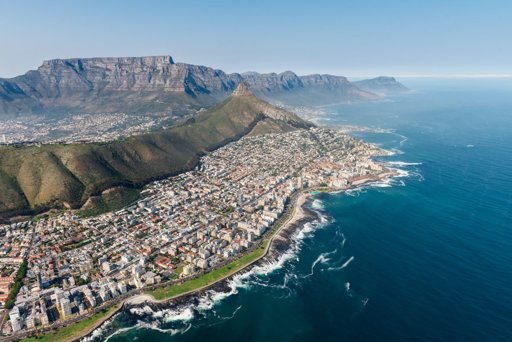
Luxury travelers stay in Camps Bay, Clifton, or the V&A Waterfront. The Silo Hotel, One & Only Cape Town starts at $500 and the Twelve Apostles Hotel costs $400. For this, you get ocean views, spa access, and staff who know your name.
For luxury travel you can:
- Take a helicopter over the peninsula for $200.
- Book a private driver to Stellenbosch for $150 for the day.
- Eat at the shortlisted restaurants and drink wine from cellars you cannot name.
- Watch the sunset from a table at The Bungalow with a cocktail that costs $12.
The interesting part is that many Cape Town experiences cost the same for everyone. The cable car up Table Mountain charges $20 regardless of your hotel. Robben Island ferry costs $25. A Cape Peninsula tour with a group costs $40. Luxury travelers pay more for privacy and convenience, not for better access to the mountain.
Transport: Minibus Taxis vs. Private Chauffeurs
Budget travelers use minibus taxis. These are 16-seater vans that run fixed routes in every city. A trip across Cape Town costs 50 cents to $1 and from the airport to the city center costs $2. The system works once you get the hang of it. You stand on the side of the road, shout your destination, and a driver stops. You pay the person next to you who passes money forward.
Minibus taxis feel chaotic as drivers push the vehicles hard. However, millions of South Africans use them daily and are safe in terms of crime if you keep your phone hidden. The real risk is the driving.
Inter-city buses offer better comfort for similar money. Baz Bus runs a hop-on hop-off service for backpackers. A seven-day pass costs $150. You travel between Cape Town, Garden Route, Durban, and Johannesburg. You stop at hostels along the way. Greyhound and Intercape run scheduled buses. Cape Town to Johannesburg costs $25 for a 15-hour overnight ride.
Renting a car costs $30 per day for a small hatchback. Add insurance for another $15. Petrol costs about $1.20 per liter. With a car rental you get the freedom to stop when you want or drive the Garden Route at your pace. This is the best option for mid-range travelers.
Luxury travelers use private transfers. A car from Cape Town airport to the V&A Waterfront costs $50. A chauffeur for the day costs $200. You do not think about parking, navigation, or safety but sit in an air-conditioned sedan while someone else handles everything.
For longer trips, luxury travelers fly. A one-way flight from Cape Town to Kruger’s Skukuza Airport costs $200. The flight takes two hours. The drive takes eighteen. You pay for time more than comfort.
The Garden Route works differently. Budget travelers take the Baz Bus or rent a cheap car. Luxury travelers rent a convertible or an SUV and stay at places like The Plettenberg. The road is the same and views are the same. The difference is whether you sleep in a backpacker dorm for $20 or a sea-facing suite for $400.
Activities and Experiences: Free Hikes to Private Charters
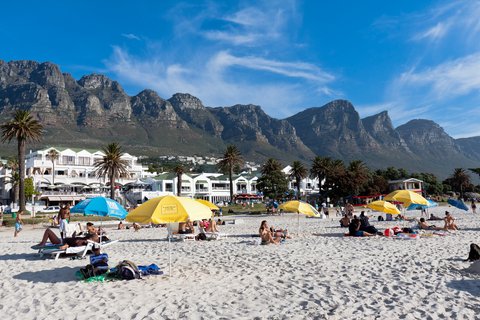
South Africa’s best activities cost little or nothing. Hiking Table Mountain costs zero. The Silvermine Nature Reserve charges $2 entry. The Cape of Good Hope charges $10 for the whole day. You see ostriches, baboons, and the meeting point of two oceans.
The Garden Route has free trails through Tsitsikamma National Park. You pay $7 entry to the park. The suspension bridge and waterfall hikes cost nothing extra. Wild Coast beaches near Coffee Bay have no entry fee. You walk for hours without seeing another person.
Budget activities remain affordable and reasonably priced. Shark cage diving in Gansbaai costs $80 for a half day, and bungee jumping from Bloukrans Bridge costs $70. A guided township tour in Langa or Soweto costs $25. These prices apply to everyone. Luxury travelers pay the same rate unless they book exclusive charters.
Luxury activities involve private access. A private helicopter tour over Cape Point costs $500 for an hour. A private boat to see whales in Hermanus costs $800 for a half day with champagne and a private guide for a day in the Winelands costs $300 plus wine purchases.
Wine tasting shows the difference clearly. At a big estate like Spier, a standard tasting costs $5. You stand at a bar with other tourists. The same estate offers a private cellar tour and tasting for $50 per person. You sit in a leather chair and a sommelier walks you through eight wines. You eat chocolate and cheese between sips.
Is the private version better? Yes. Does the standard version still give you good wine? Also yes. You decide if the setting matters.
Where to Save and Where to Spend
You can save money on accommodation without losing much. A clean guesthouse gives you a good bed and hot water. A five-star hotel gives you marble bathrooms and turn-down service.
You can save on food by eating street braais and supermarket meals. South Africa’s street food tastes better than many restaurant meals in other countries. You lose nothing except the ambience of a top class restaurant.
You should spend money on safari if you can afford it. A private reserve gives you better sightings, smaller crowds, and expert guides. The difference between seeing a leopard from a distance and sitting next to a leopard for twenty minutes justifies the cost.
You should spend on transport if you value time. Flying from Cape Town to Kruger costs $200 and saves sixteen hours of driving. For a one-week trip, that extra time lets you see more. For a month-long trip, take the bus and spend the savings on activities.
You should spend on a rental car for the Garden Route. Public transport on that route limits you. A car costs $30 per day. You stop at every viewpoint. You eat at roadside stalls. You sleep in small towns that buses skip. The $200 extra for a week of car rental changes the whole experience.
Practical Tips for Both Budgets
✅ Budget Travel Checklist (South Africa)
☐ Book SANParks stays early — top camps sell out months ahead
☐ Use the official SANParks site — avoid third-party markups
☐ Buy a local SIM at arrival (MTN or Vodacom) — stay connected for maps and bookings
☐ Download offline maps before long drives
☐ Carry some cash (rand) — needed for taxis and street food
☐ Use cards for supermarkets and restaurants
☐ Travel in shoulder season (Apr–May, Sept–Oct) — better value, fewer crowds
☐ Avoid peak season (Dec–Jan) — prices spike across the board
✨ Luxury Travel Checklist (South Africa)
☐ Book through a trusted local travel agent — better rates + perks
☐ Confirm what’s included — game drives, drinks, laundry, guided walks
☐ Choose your safari lodge carefully — experience varies widely
☐ Request a top-rated guide — this directly impacts sightings
☐ Tip for great service — it goes a long way
☐ Stay flexible with weather-dependent plans
☐ In Cape Town:
• Reschedule helicopter rides if weather is poor
• Prioritize clear days for views (Table Mountain, coastlines)
Conclusion: Budget travel or luxury travel?
South Africa works for both kinds of travelers.
You don’t need luxury to have an unforgettable trip. And you don’t have to rough it just because you’re watching your budget. What makes the country special sits beyond the price tag.
A leopard won’t notice how you got there. Table Mountain looks just as powerful from a hostel window as it does from a five-star suite. And the Indian Ocean tastes just as salty, no matter where you stay.
What really changes is your pace.
Traveling on a budget means more hands-on effort. You plan more. You drive yourself. You cook, share, and stretch every dollar. Luxury travel buys you ease. The logistics disappear. Someone else handles the details. There’s no right way to do it. Choose the style that fits your wallet and your personality. South Africa will meet you exactly where you are.