Is Namibia Safe for Tourists? What to Know
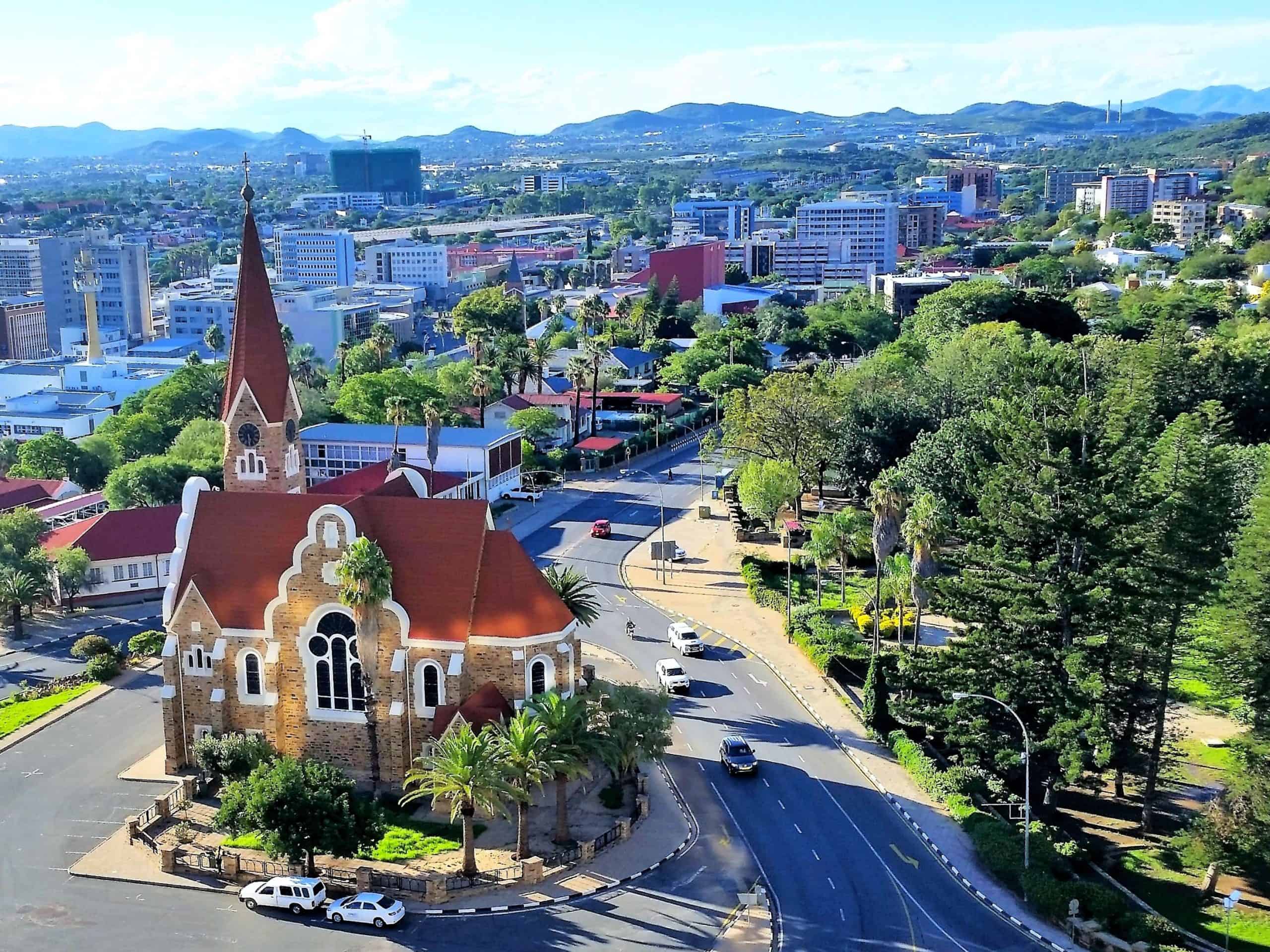
A self-drive through Namibia can take you from the clean streets of Windhoek to empty desert highways, wildlife-rich national parks, and Atlantic coast towns that feel worlds apart. That contrast is part of the country’s appeal, but it also explains why so many travelers ask, is Namibia safe for tourists?
The short answer is yes, Namibia is generally considered one of the safer travel destinations in Africa. That said, safe does not mean carefree. The biggest risks for most visitors are usually long-distance driving, remote travel conditions, petty crime in urban areas, and simple underestimation of how vast and isolated the country can feel once you leave the main towns.
Is Namibia safe for tourists in 2026?
For most travelers, Namibia feels calm, organized, and relatively low-stress compared with many other long-haul destinations. Tourism is well established, especially around Windhoek, Sossusvlei, Swakopmund, Etosha, and the main safari circuits. Lodges, tour operators, and park staff are used to hosting international visitors, and English is widely spoken.
Violent crime against tourists is not the norm, but petty theft and opportunistic incidents do happen. Like many destinations, your experience depends partly on where you go, how you move around, and how alert you are. A couple staying in reputable lodges and driving carefully between major stops will usually face a very different risk profile than a backpacker walking alone at night in unfamiliar urban areas.
Namibia rewards prepared travelers. If you plan for distance, fuel, weather, and basic security, the country is often easier to travel than first-time visitors expect.
The main safety risks travelers should understand
If you are deciding whether Namibia fits your comfort level, it helps to focus on the real risks rather than broad assumptions. In practice, road safety is usually the biggest one.
Road travel is the issue most visitors underestimate
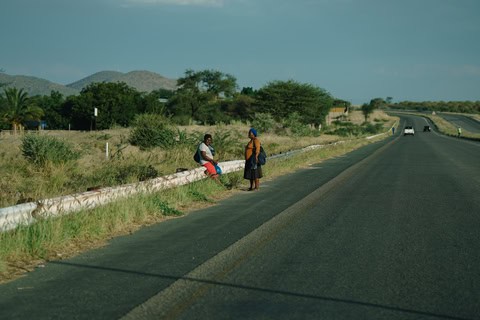
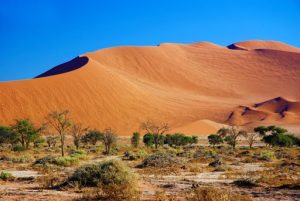
Namibia is built for road trips, but the roads demand respect. Distances are long, many routes are gravel, cell service can disappear for stretches, and driving after dark is risky because of livestock, wildlife, poor visibility, and fatigue. Even experienced drivers can struggle with corrugated roads, punctures, or losing control on loose gravel.
This does not mean you should avoid self-driving. It means you should treat it as part of the adventure that requires planning. Keep speeds moderate, avoid nighttime driving, carry extra water, and never let your fuel tank get too low in remote areas. If you are not confident on gravel roads, joining a guided trip may be the better choice.
Petty crime happens mostly in towns and cities
Windhoek and Swakopmund are not places where most tourists feel constantly unsafe, but they are still cities. Bag snatching, theft from cars, pickpocketing, and phone theft can happen, especially if valuables are visible or travelers appear distracted.
The usual urban habits matter here. Do not leave luggage in sight inside a parked vehicle. Avoid flashing jewelry, cash, cameras, or passports. Use hotel safes when available, and ask your lodge or host which neighborhoods are best avoided after dark. In central areas, many visitors do just fine by staying aware and using trusted transport at night.
Remote travel can become a safety issue fast
Namibia’s beauty is tied to its scale. That same scale can create problems when plans go wrong. A mechanical issue, flat tire, wrong turn, or missed fuel stop can become serious if you are hours from assistance.
This is especially relevant in regions like Damaraland, Kaokoland, or less-serviced desert routes. If you are going off the main circuit, tell your accommodation where you are headed, carry enough supplies, and do not assume help will appear quickly. Travelers used to compact European or US road networks sometimes misjudge this.
Health and medical safety in Namibia
For most visitors, Namibia is not a high-stress health destination, but there are a few things worth handling before you go.
Private medical care in major towns is generally better than many travelers expect, though access becomes limited outside urban centers. If you have a serious condition or plan to travel deep into remote regions, comprehensive travel insurance with medical evacuation coverage is a smart move, not an optional extra.
Hydration is another issue people overlook. Namibia’s climate can be hot, dry, and draining, especially if you are hiking dunes, spending long days in the car, or going on safari. Dehydration, sun exposure, and fatigue are more common travel problems than dramatic tropical illnesses.
Malaria risk exists in some northern areas and can vary by season, especially during and after the rainy period. Southern and central tourist routes often carry much lower risk, but if your itinerary includes Etosha or the north, get current medical advice before departure. Routine vaccinations and careful food and water habits are also part of sensible trip planning.
Wildlife safety matters more than many first-time safari travelers realize
Namibia is one of the best places in Africa to see wildlife in dramatic open landscapes. That access is a gift, but animals here are still wild and unpredictable.
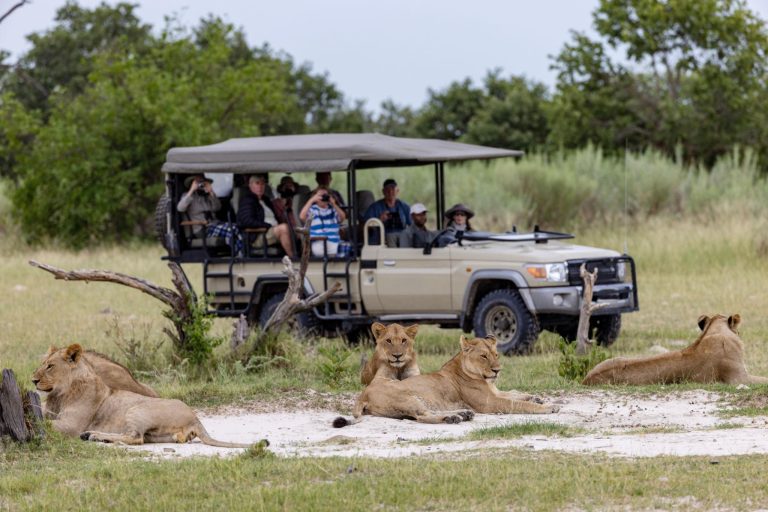
In Etosha and other safari areas, most incidents happen when travelers leave vehicles in undesignated places, get too close to animals for photos, or treat wildlife as if it were part of a theme park experience. Elephants, rhinos, lions, hippos, and even seemingly calm antelope can be dangerous if disturbed.
At coastal colonies, seals may look playful but can bite. In desert and rural areas, snakes and scorpions are part of the environment. None of this should discourage you. It simply means following park rules, listening to guides, and giving animals space is non-negotiable.
Is Namibia safe for solo travelers, couples, and families?
Namibia can work well for all three, but not in exactly the same way.
Solo travelers often find Namibia safe in a general sense, especially on organized tours or well-traveled routes. The main challenge is not usually personal threat. It is logistics. Long drives, vehicle breakdowns, and remote overnight stops can be more demanding when you are alone. For solo travelers who want freedom without isolation, small-group safaris are often an excellent middle ground.
Couples tend to find Namibia one of southern Africa’s most rewarding fly-and-drive or self-drive destinations. The infrastructure on popular routes is good enough to feel manageable, while the landscapes still feel wild and uncrowded.
Families can also travel safely in Namibia, especially if they build in realistic driving times and choose child-friendly lodges. The country suits older kids particularly well because game drives, desert scenery, and stargazing can be extraordinary here. The key is not overloading the itinerary with back-to-back long road days.
Places that generally feel easier for first-time visitors
If you want the smoothest introduction, stick to the classic route: Windhoek, Sossusvlei, Swakopmund, and Etosha. These areas are well known, regularly visited, and supported by reliable tourism services. That does not remove all risk, but it lowers the chance of logistical surprises.
More remote regions can be incredibly rewarding, especially if you want deeper cultural encounters, dramatic desert scenery, or less-traveled safari territory. They simply require more experience, stronger planning, or local guidance. This is where a trusted operator or local driver-guide can make a real difference.
At Damtos Adventure, we often encourage travelers to match their itinerary to their confidence level, not just their bucket list. Namibia is at its best when the trip feels expansive, not stressful.
Smart safety habits that make a real difference
Most Namibia trips go well because travelers take the basics seriously. Book accommodation with secure parking when self-driving. Keep your phone charged and download offline maps. Leave early for long drives so you arrive before sunset. Carry water, a paper map, and a little extra patience.
It also helps to respect local knowledge. If lodge staff tell you not to walk somewhere at night, take that advice. If a guide says the roads are rough after rain, believe them. In Namibia, practical judgment will serve you better than overconfidence.
So, should safety concerns stop you from visiting Namibia?
For most people, no. Namibia is not a destination to avoid because of safety concerns. It is a destination to approach with awareness. The country is politically stable by regional standards, tourism is well developed in key areas, and many travelers describe Namibia as one of the most comfortable and rewarding places they have visited in Africa.
The trade-off is that the country asks you to be more self-sufficient than a typical city break or resort vacation. If you prepare for distance, drive carefully, stay alert in towns, and respect the environment, Namibia can feel not only safe enough, but deeply freeing.
And that is really the point. The best Namibia trips are not built on fear or fantasy. They are built on good planning, open eyes, and enough room to let the desert, the wildlife, and the quiet do their work.