How to Plan Namibia Road Trip Right
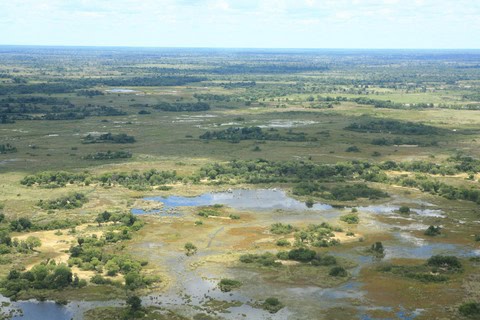
Namibia rewards travelers who like space, silence, and the feeling of earning a view. One day you are driving between rust-red dunes, the next you are watching elephants move through dry riverbeds or staring at a sky so clear it hardly looks real. If you are wondering how to plan Namibia road trip details without missing the country’s scale, rhythm, and practical realities, the key is to build your route around distance, not just bucket-list stops.
This is not a country where you want to cram too much into too few days. On a map, the highlights can look manageable. On the ground, gravel roads, wildlife zones, fuel gaps, and long driving hours change the pace completely. Plan well, and Namibia becomes one of Africa’s most satisfying self-drive adventures.
How to plan Namibia road trip timing
The first decision is when to go, because season shapes both road conditions and what you will see. The dry season, usually from May to October, is the easiest time for a self-drive trip. Roads are generally more predictable, wildlife viewing improves around water sources, and the cooler winter nights make desert lodges and camps far more comfortable.
That said, dry season also brings higher demand for rental vehicles and accommodation, especially around Etosha, Sossusvlei, and Swakopmund. If you want the best choices, book well ahead.
The green season, roughly November to April, can be beautiful in a different way. Landscapes soften, skies become dramatic, and birding is excellent. But summer heat can be intense, and heavy rains can affect some roads. If this is your first Namibia self-drive, the dry season is the simpler option. If you are comfortable with flexibility and want fewer crowds, shoulder months can work very well.
Start with your route, then your number of nights
A common mistake is choosing destinations first and only later checking the drive times. Namibia is large, and even strong road trippers can burn out quickly if every day becomes a transfer day. A better approach is to pick one loop and give it enough breathing room.
For a first trip, 10 to 14 days is the sweet spot. That usually gives you time for Windhoek, Sossusvlei, Swakopmund, Damaraland, and Etosha without turning the journey into a rush. If you only have a week, it is smarter to focus on two or three regions, not the whole country.
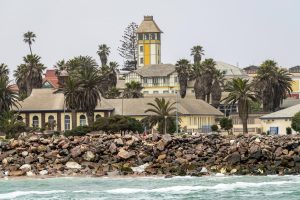
A classic first-timer route might run from Windhoek to the Namib Desert, on to Swakopmund and Walvis Bay, then north through Damaraland to Etosha, before returning to Windhoek. This works because it combines desert scenery, Atlantic coast contrasts, cultural landscapes, and wildlife. It also keeps your trip logistically coherent.
If you want a wilder, more remote road trip, Kaokoland and the Skeleton Coast deliver big adventure but require more experience, more time, and stronger planning. Those areas are not ideal if you are learning how Namibia driving works for the first time.
Choose the right vehicle for the roads you will actually drive
Vehicle choice matters more in Namibia than in many destinations. A standard sedan can handle some popular routes, especially if you stick to major tourist corridors and conditions are dry. But many travelers are more comfortable in a high-clearance vehicle, and for rougher roads or more remote regions, a 4×4 is the better call.
The trade-off is cost. A 4×4 gives you confidence on gravel, better visibility, and more flexibility, but it will raise your daily budget. If you are planning to camp, a fully equipped 4×4 setup can be excellent value compared with lodge stays, though it adds its own learning curve.
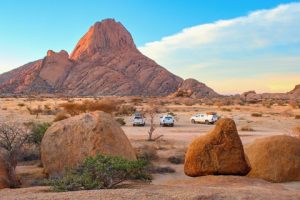
Whatever you rent, ask direct questions before booking. You want to know tire condition, whether there are one or two spare tires, what insurance actually covers on gravel roads, and whether roadside assistance reaches your route. Gravel-road chips and tire damage are common enough that the fine print matters.
Budget for Namibia realistically
Namibia can be done at different price points, but self-drive costs add up quickly if you underestimate distances. Your main expenses will usually be vehicle rental, fuel, accommodation, park fees, and food.
Fuel planning is especially important. Distances between stations can be long, and you should not assume every town has reliable supply at all times. Topping up whenever you reasonably can is a smart habit, especially before heading into quieter areas.
Accommodation also has a big impact on budget. Campsites can make the trip more affordable and add a strong sense of place, especially under Namibia’s night skies. Mid-range guesthouses and lodges offer a comfortable middle ground. High-end safari lodges are exceptional in some regions, but if you choose them throughout the trip, your budget rises fast.
It also helps to leave room for the experiences that make the drive memorable – a desert sunrise excursion, a catamaran trip from Walvis Bay, a cultural visit in Damaraland, or an extra game drive in Etosha. Those moments often become the stories you remember most.
How to plan Namibia road trip distances without exhausting yourself
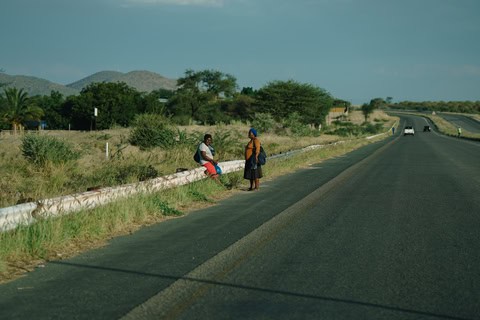
In Namibia, 200 miles can feel very different depending on the road. Some sections are straightforward and scenic. Others are corrugated gravel that require slower, more careful driving. This is why average speed matters more than distance alone.
As a rule, avoid building an itinerary around daily marathon drives. Try to keep most driving days manageable, then add two-night stays in places that deserve more than a quick overnight. Sossusvlei, Swakopmund, and Etosha all benefit from this slower approach.
It is also worth planning around daylight. You do not want to be driving after dark unless absolutely necessary. Visibility drops, wildlife can move onto the roads, and remote breakdowns are far more stressful at night. Early starts are your friend in Namibia.
Book key areas earlier than you think
Namibia can feel remote, but the best places do fill up. This is especially true in peak season and in national park areas or small desert properties with limited rooms. If your route includes Sossusvlei or Etosha, lock those nights in first. Then build the rest of your journey around them.
The same logic applies to your rental vehicle. The exact vehicle type you want may not be available if you leave it too late, especially for automatic 4x4s or rooftop tent setups.
Don’t overlook the culture between the landscapes
Namibia is often marketed through its big scenery, and the scenery deserves the attention. But the trip becomes richer when you leave space for the country’s cultural depth too. German colonial history, Himba communities, Herero dress traditions, desert-adapted livelihoods, and coastal town identities all shape the experience in different ways.
This part requires sensitivity. Not every cultural encounter offered to tourists feels equally respectful or meaningful. Choose experiences that are community-led or handled with clear local participation, and approach them with curiosity rather than consumption. The goal is not to collect photos. It is to understand place a little better.
That is where a brand like Damtos Adventure speaks to the right kind of traveler – the one who wants the road trip to be more than a checklist of viewpoints.
Safety and road sense matter more than speed
Namibia is one of Africa’s great self-drive destinations, but confidence should not become carelessness. Gravel roads demand slower driving than many visitors expect, and sudden overcorrection can cause accidents. Keep speeds conservative, especially on bends and washboard surfaces.
Check your tires regularly. Carry water. Keep your phone charged, but do not rely on signal everywhere. Download offline maps before departure and tell your accommodation where you are coming from if you are on a long remote stretch.
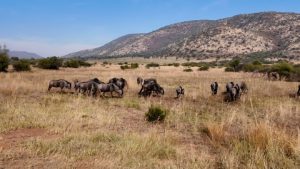
Wildlife is another reason to stay alert. In and around parks, animals can appear near the road with very little warning. Even outside the main reserves, livestock and wildlife crossings are not unusual.
What to pack for a smoother self-drive
Packing for Namibia is partly about comfort and partly about self-reliance. Dust is part of the trip, so soft bags often work better than hard suitcases in packed vehicles. Bring layers, because desert mornings and evenings can be cold even when afternoons warm up.
A few items make an outsized difference: a reusable water bottle, sun protection, a headlamp, an offline map app, a power bank, and cash for small purchases or rural stops. If you are camping, organization matters more than packing extra. In a road trip setup, clutter gets old very fast.
Build an itinerary with room for the unexpected
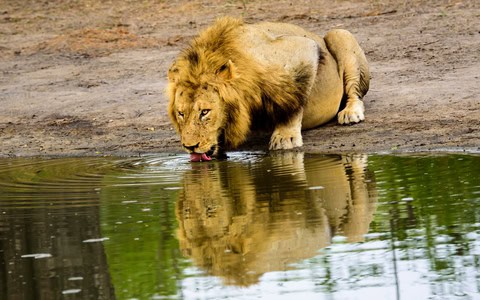
The best Namibia road trips usually have a clear structure and a little slack. You want your key bookings in place, but you also want enough flexibility to linger when a place surprises you. Maybe that means an extra afternoon in Swakopmund, a slower morning in the dunes, or more time around a waterhole in Etosha.
Namibia is not a destination that rewards rushing. It rewards attention. The long roads, wide horizons, and quiet in-between spaces are not empty parts of the trip. They are the trip.
If you plan around realistic distances, choose the right vehicle, book the big stops early, and stay open to the country beyond the postcard views, you will give yourself something better than an efficient itinerary. You will give yourself the kind of journey that stays with you long after the dust is gone.