South Africa or Namibia Safari?
Which Safari Is Better: South Africa or Namibia?
If you’re planning a South Africa or Namibia safari, it’s important to understand that comparing destinations like Sabi Sands, Chobe, and Etosha is not a direct comparison. Each offers a very different safari experience, and the right choice depends on the type of wildlife viewing, accommodation, and exclusivity you want from your trip.
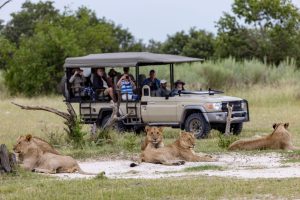
Sabi Sands, located beside Kruger National Park, is a private game reserve. Unlike public parks such as Chobe National Park and Etosha National Park, access to Sabi Sands is limited to guests staying at the luxury lodges inside the reserve. This creates a far more exclusive safari experience. Game drives are led by highly trained guides and trackers, and off-road driving is permitted in many areas, allowing vehicles to get much closer to wildlife sightings.
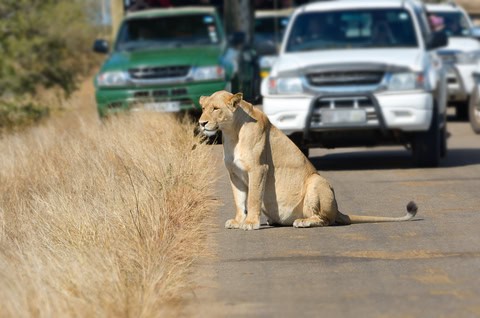
By contrast, Chobe and Etosha operate more like Kruger National Park. They are public reserves where anyone can enter and self-drive. While these parks are excellent for independent travelers and often more affordable, the safari experience can feel less intimate. During peak travel periods, sightings may become crowded with multiple vehicles competing for viewing positions.
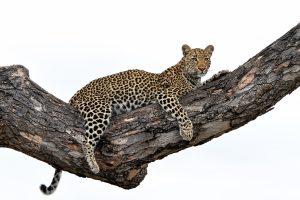
A leopard draped over a marula tree at sunrise or a lone oryx crossing red dunes before the heat rises – that is the real choice behind a south africa or namibia safari. Both deliver unforgettable wildlife and dramatic landscapes, but they feel very different on the ground. One is easier, denser, and often more first-timer friendly. The other is wilder, quieter, and built for travelers who love space as much as sightings.
If you are stuck between the two, the smartest question is not which country is better. It is which safari fits the way you want to travel.
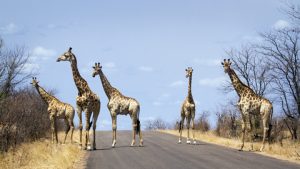
South Africa or Namibia safari: what feels different?
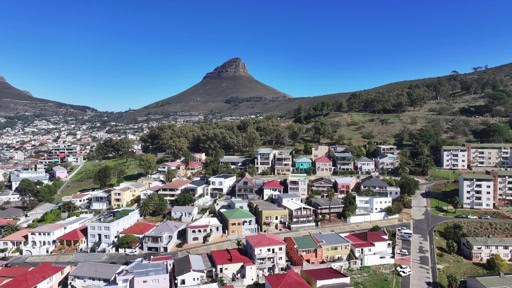
South Africa is about variety and access. You can pair major safari regions with wine country, Cape Town, scenic road trips, coastal drives, and polished lodges in one trip. Game viewing is often concentrated, infrastructure is strong, and planning tends to be straightforward. For many travelers, especially first-time safari-goers, South Africa feels like a confident starting point.
Namibia is about atmosphere. It gives you vast horizons, haunting desert light, and a stronger sense of remoteness. Wildlife is there, sometimes in surprising density, but the experience is not only about checking off the Big Five. It is about driving through landscapes that feel almost prehistoric, sleeping under huge skies, and watching animals adapt to some of Africa’s harshest conditions.
That difference matters. If your dream safari is built around frequent game drives and a high chance of seeing classic predators, South Africa has the edge. If your dream trip includes safari but also values solitude, surreal scenery, and a road-trip spirit, Namibia may feel more rewarding.
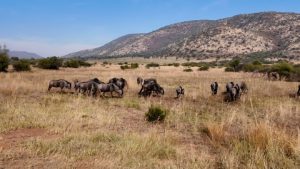
Wildlife on a South Africa or Namibia safari
South Africa is stronger for classic safari expectations. Kruger National Park and the private reserves around it are famous for reliable sightings of lions, leopards, elephants, rhinos, and buffalo. In the right season and area, you can see a remarkable amount of wildlife in a short time. Many lodges and reserves also offer guided drives with skilled trackers, which makes a real difference for spotting elusive cats.
Namibia does not compete in exactly the same way, and it does not need to. Etosha National Park is the country’s safari anchor, known for its salt pan, floodlit waterholes, and excellent dry-season game viewing. You can see elephants, lions, rhinos, giraffes, zebras, and huge concentrations of antelope, especially when animals gather around water. But the visual drama is different. Wildlife often appears against stark, open terrain, which makes each sighting feel cinematic.
Namibia also has its own distinctive wildlife identity. Desert-adapted elephants, desert lions in some remote regions, black rhino conservation areas, and the chance to combine safari with Atlantic coast and desert experiences give it a rare character. If the Big Five is your non-negotiable goal, South Africa usually wins. If you care about unusual ecosystems and wildlife adapted to extreme environments, Namibia stands out.
Scenery and trip style
This is where Namibia becomes hard to resist.
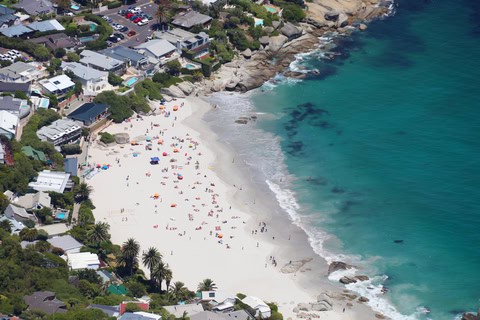
South Africa is scenically diverse, but its safari areas are not always the whole story. Many travelers build a bigger itinerary around the bush, mixing urban culture, food, coast, and vineyard stops. That makes the country ideal if you want safari as one part of a broader vacation.
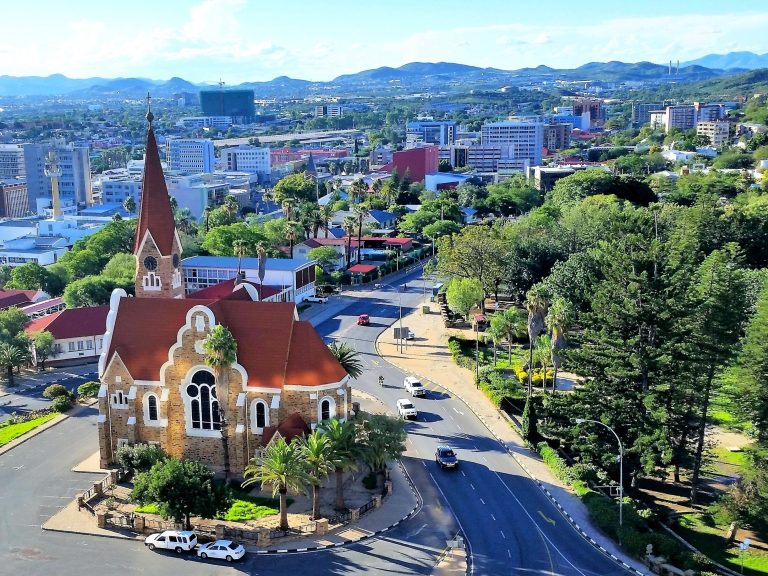
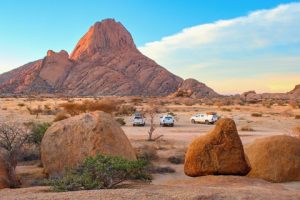
Namibia often is the vacation. The landscapes are the headline: Sossusvlei’s towering dunes, Skeleton Coast’s misty emptiness, rocky desert plains, and wide-open gravel roads that make the journey itself part of the adventure. Even when you are not on a game drive, you are in a place that feels strikingly different from anywhere else.
So if you want a safari trip with lots of add-ons, South Africa is incredibly flexible. If you want to feel absorbed by one bold destination from start to finish, Namibia has a rare kind of focus.
Cost, logistics, and how easy each one is
For practical planning, South Africa is usually easier.
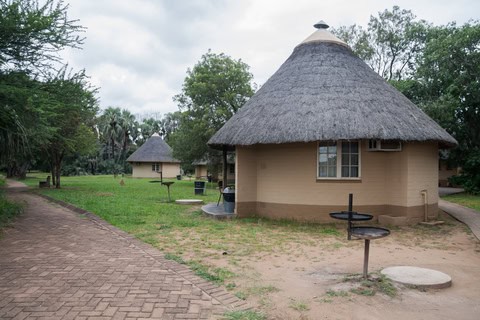
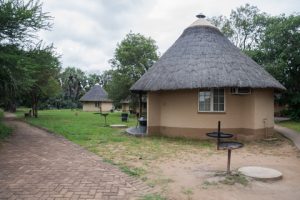
It has more flight options, more accommodation tiers, and more established safari circuits. You can do a self-drive trip, stay in a national park camp, book a mid-range lodge, or go fully luxury in a private reserve. That range gives travelers more control over budget. Families, couples, and first-time visitors often appreciate how many moving parts can be arranged without too much friction.
Namibia can be more expensive than travelers expect, especially once you factor in long distances, vehicle rental, fuel, and lodge pricing in remote areas. Self-drive is common and part of the appeal, but it requires confidence. Roads are often good for the environment, yet this is still a country of vast distances, sparse services, and long driving days. For some people, that is the dream. For others, it becomes tiring faster than expected.
If you want a safari that feels smooth and efficient, South Africa tends to offer better value and less logistical effort. If you enjoy independent travel and do not mind planning around remoteness, Namibia rewards that effort with a stronger sense of adventure.
South Africa or Namibia safari for first-timers
For most first-time safari travelers, South Africa is the simpler recommendation. The infrastructure is mature, the wildlife is easier to see in many areas, and there are more ways to shape the trip around your comfort level. You can go all-in on safari or combine it with destinations that soften the learning curve.
That said, first-timer does not always mean cautious traveler. Some people do not want the easiest trip. They want the one that feels most distinctive. If that sounds like you, Namibia may be the better first safari because it is memorable in a different way. You may see slightly fewer animals over the course of a day than in prime South African reserves, but what you gain in silence, scale, and landscape can be worth it.
The better question is this: do you want abundance or atmosphere? South Africa leans toward abundance. Namibia leans toward atmosphere.
Best time to go
In both countries, dry months are generally best for game viewing because animals gather around water and vegetation is thinner.
South Africa’s safari timing depends on region, but the dry winter months from roughly May to September are especially strong in Kruger and surrounding reserves. Days are pleasant, nights can be cold, and visibility is often good.
Namibia is also excellent in the dry season, usually from May through October. Etosha is particularly rewarding then, with waterholes turning into natural wildlife theaters. The shoulder seasons can still work well, especially if you want fewer crowds or are combining safari with desert landscapes that remain spectacular year-round.
If your trip is not only about safari, timing shifts a little. Cape Town has different seasonal highs than Kruger, and Namibia’s desert regions each have their own rhythm. A multi-stop itinerary should be built around the strongest compromise, not one perfect weather window.
Who should choose South Africa?
Choose South Africa if you want strong odds of seeing the Big Five, more accommodation options, and a trip that is easier to organize. It is also a smart fit for travelers who want to combine safari with cities, food, history, beaches, or wine country. Couples on a honeymoon, families wanting convenience, and travelers with limited time often do especially well here.
South Africa also suits people who want guided luxury without losing access to a broader itinerary. You can spend a few days in a private reserve and then shift into a completely different style of travel without feeling like you changed countries.
Who should choose Namibia?
Choose Namibia if you are drawn to stark beauty, self-drive freedom, and a safari experience that feels less conventional. And if you’re ravelling as family, there are plenty of other things to do in Namibia. It works especially well for repeat Africa travelers, photographers, and anyone who values landscapes as much as wildlife. The country asks more from you in planning and pacing, but it gives back something powerful – a feeling of space that is increasingly hard to find.
Namibia is also ideal if you want a trip that blends safari with geology, desert culture, and the quiet thrill of moving through places that feel wonderfully far away from mass tourism. That sense of distance is part of the experience.
The best choice depends on what you want to remember
Years from now, you probably will not remember your trip based on the hotel checklist or even the transfer times. You will remember the feeling of it. South Africa tends to leave travelers with the thrill of rich wildlife encounters and a well-rounded journey. Namibia leaves many with a deeper imprint of landscape, stillness, and the strange beauty of a place that refuses to rush.
You should always come back to this idea: travel deeper, discover more. If your version of deeper means classic safari intensity and easy variety, choose South Africa. If it means dramatic isolation and a safari wrapped in desert wonder, choose Namibia. Either way, the right trip is the one that matches your curiosity, not just the brochure highlights.