How to Build Safari Itinerary That Works
The difference between a safari you talk about for years and one that feels rushed usually comes down to the plan. If you are wondering how to build safari itinerary ideas into a trip that actually fits your budget, wildlife goals, and travel style, start by forgetting the copy-and-paste version. A good safari is not just a list of parks. It is timing, distance, season, energy, and the kind of experience you want once you are out there.
Some travelers want big-cat sightings from dawn to dusk. Others want a slower rhythm with landscapes, culture, and a beautiful lodge at the end of the day. Both are valid. The best itinerary is the one that knows what matters most to you before you start booking flights and camps.
Start with the kind of safari you actually want
Before you choose a country, decide what safari means to you. For some people, it is the Great Migration in Kenya or Tanzania. For others, it is tracking gorillas in Rwanda, self-driving through Namibia, or combining South Africa’s game reserves with wine country and Cape Town.
That choice shapes everything else. A first-time traveler who wants reliable wildlife viewing and easier logistics may do well in South Africa. A traveler who wants remote scenery and fewer crowds may lean toward Namibia or Botswana. If culture matters as much as game drives, building in time for local markets, village visits, or regional food experiences changes the pace in a good way.
This is where many itineraries go wrong. People try to fit East Africa, Southern Africa, beach time, and every bucket-list animal into one trip. On paper it looks exciting. On the ground, it becomes airports, check-ins, and long transfer days.
Choose one region before you build a safari itinerary
If you are figuring out how to build safari itinerary options without creating travel fatigue, keep your focus tight. One country can be enough. Two neighboring destinations can work well if the connections are easy. More than that usually means you are collecting stamps instead of experiences.
East Africa is ideal for classic savanna safaris, migration season, and a strong mix of game drives and cultural travel. Kenya and Tanzania are the obvious anchors here. Rwanda is different – less about endless game drives, more about gorilla trekking, forest experiences, and high-impact wildlife encounters.
Southern Africa offers a different rhythm. South Africa is one of the easiest entry points for a first safari because it combines strong infrastructure with varied experiences. Namibia is excellent for self-drive travelers who want dramatic landscapes as much as wildlife. Botswana tends to suit travelers seeking a more exclusive, higher-budget safari.
Your region should match your priorities, not just social media imagery.
Match the trip length to the distances
Safari maps can be deceptive. A short line between parks does not always mean a quick transfer. Road conditions, internal flights, park entry timings, and lodge schedules all affect how much you can realistically do in a day.
For most travelers, seven to ten days is a strong starting point. That gives you enough time for two or three safari areas without turning the trip into a race. If you only have five or six days, it is usually better to choose one main safari zone and do it well.
A rough rhythm works like this: on a seven-day trip, aim for two bases. On a ten-day trip, two or three can work. Once you go beyond that, you can start layering in a city stay, beach extension, or cultural stop without losing the core safari feel.
If every other day is a transfer day, the itinerary needs editing.
Build around wildlife goals, not just famous park names
A smart safari plan starts with what you hope to see. The Big Five is a common goal, but it should not be the only one. Maybe you care more about elephants, birdlife, desert-adapted species, primates, or predator action. Different parks deliver different strengths.
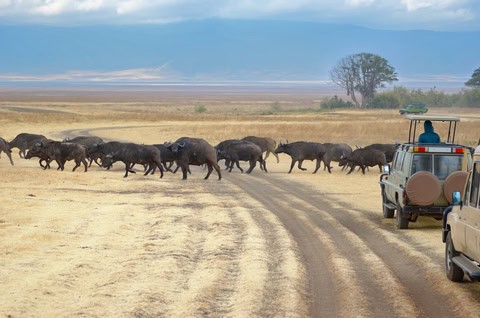
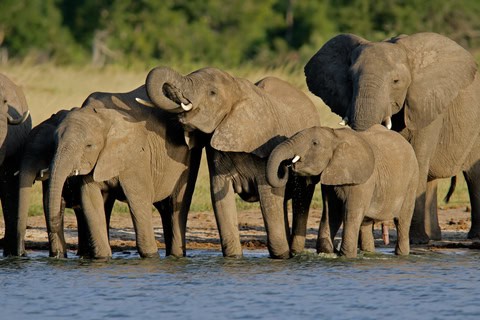
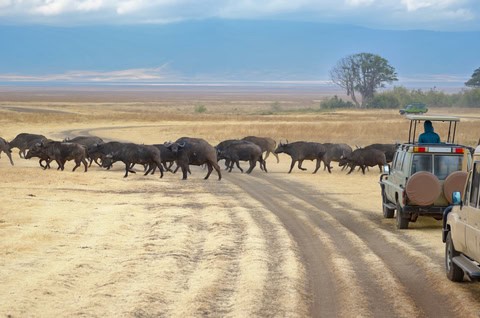
Kruger is strong for variety and accessibility. The Serengeti and Masai Mara are iconic for open plains and predator sightings. Etosha is excellent for waterhole viewing in Namibia. Chobe stands out for elephants. Volcanoes National Park is about gorilla trekking, which is a completely different experience from a vehicle-based safari.
Once you identify your wildlife priorities, you can stop adding parks that do not help. A famous destination is not automatically the right one for your trip.
Think hard about season and shoulder season
Timing matters as much as destination. Dry season often brings easier wildlife viewing because animals gather around water and the bush is thinner. That is why it is popular – and why prices rise.
Green season can be beautiful, especially for photography, birding, and travelers who prefer fewer vehicles. Landscapes are lush, rates may be lower, and some areas feel more alive. The trade-off is that wildlife can be harder to spot, and some roads or camps may be less accessible depending on the country.
If your dream is migration river crossings, your timing needs to be precise. If your goal is simply a well-rounded first safari, shoulder season can offer a better balance of value and experience.
It depends on what you are willing to trade: peak sightings, lower costs, fewer crowds, or greener scenery.
Decide your travel style early
How to build safari itinerary plans also depends on how you want to move through the trip. There is a big difference between a fly-in luxury safari, a guided overland route, and a self-drive journey.
Fly-in safaris save time and reduce long road transfers, but they raise the budget quickly. Guided safaris are often the easiest option for first-time travelers who want local expertise and less logistical stress. Self-drive safaris can be fantastic in places like Namibia and parts of South Africa, especially if independence matters to you.
Accommodation style changes the feel of the itinerary too. Some travelers want tented camps close to nature. Others want a comfortable lodge with a pool, family-friendly setup, or strong food options after game drives. There is no wrong answer, but mixing styles thoughtfully often works better than trying to make every stop ultra-luxury or ultra-budget.
Leave room for slower moments
A common planning mistake is treating safari days like city sightseeing. On safari, less can give you more. Two nights is usually the bare minimum in one location. Three nights often feels better, especially in larger reserves or places with morning and evening game drives.
That extra time lets you settle in, revisit a productive area, adjust for weather, and actually enjoy camp life. It also gives space for the unexpected – a leopard sighting that delays your return, a conversation with your guide, or the simple pleasure of watching animals from camp between drives.
Travel deeper. Discover more. That only happens when the itinerary leaves room to breathe.
Add culture and landscape with intention
The strongest safari trips are not always the ones with the most game drives. They are often the ones that balance wildlife with context. That could mean adding Cape Town before Kruger, visiting a Himba cultural area in Namibia, spending time around Kigali before gorilla trekking, or choosing a lodge that supports nearby communities and local guiding.
This matters because Africa is not a safari backdrop. It is a collection of countries, histories, languages, cuisines, and living cultures. A better itinerary reflects that.
The key is restraint. One or two well-chosen cultural elements can enrich the trip. Too many side activities can dilute the safari itself.
Budget for the hidden shape of the trip
Safari budgets are rarely just about the nightly lodge rate. Internal flights, park fees, transfers, guide services, tipping, gear, visas, and seasonal pricing can shift the total fast.
When travelers ask how to build safari itinerary plans on a realistic budget, the answer is usually to simplify. Fewer locations often means better value because you cut transfer costs and avoid one-night stays. Shoulder season can help. So can choosing one premium camp and one more moderate stay instead of trying to maintain the same price point throughout.
If a trip looks cheap at first glance, check what is not included. A lower room rate can be misleading if every drive, meal, and transfer is extra.
A simple framework for your first draft
Start with your non-negotiables: country, season, trip length, and top wildlife goal. Then choose two or three places that support those priorities. After that, map the transfers and ask whether each move is worth the time it takes.
A strong draft often looks like this in practice: arrival city and overnight rest, first safari base for three nights, second safari base for three nights, then either one cultural or scenic extension before departure. That is not flashy, but it works.
Once the structure is solid, refine the details. Ask whether the pace feels human. Ask whether the parks complement each other instead of repeating the same experience. Ask whether your final itinerary reflects the trip you want, not the one travel marketing told you to want.
At Damtos Adventure, we have seen the best safari plans come from clarity, not excess. Pick fewer places. Stay longer. Let the wildlife surprise you, and let the journey feel like more than a checklist.
The right safari itinerary should leave you with strong memories, not the feeling that you were always on your way to the next one.