How to Travel Egypt Independently
Cairo hits fast. One minute you are watching the Nile catch the late afternoon light, and the next you are negotiating a taxi fare, hearing the call to prayer, and realizing Egypt is far more layered than the postcard version. That is exactly why so many travelers ask how to travel Egypt independently. It is a country that rewards curiosity, but it also asks you to plan with a little more care than a typical city break.
Independent travel in Egypt is absolutely doable for solo travelers, couples, and culturally curious families. You do not need to join a fully escorted tour to see the pyramids, cruise the Nile region, or wander through ancient temples. What you do need is a realistic sense of pace, a smart route, and an understanding that Egypt can feel intense at first, especially if this is your first time traveling in North Africa or the Middle East.
How to travel Egypt independently without feeling overwhelmed
The biggest mistake travelers make is trying to do everything in one trip. Egypt looks simple on a map, but the country is packed with major historical sites spread across long distances. If you race from Cairo to Luxor to Aswan to the Red Sea in a week, you will spend more time managing logistics than actually experiencing the country.
A better approach is to choose one classic route and build around it. For most first-time visitors, that means Cairo, Luxor, and Aswan. If you have extra days, add Abu Simbel or a few nights by the Red Sea in Hurghada or Sharm El Sheikh. If you are more interested in desert landscapes and slower travel, Siwa is memorable, but it works better as a separate extension than as part of a packed first itinerary.
Egypt is one of those destinations where independent does not have to mean doing every single thing alone. Many experienced travelers book their own hotels and transportation, then hire local guides for specific sites like the Giza Plateau, the Valley of the Kings, or Abu Simbel. That balance often gives you the freedom of independent travel with the context that makes Egypt far richer.
Build your route around Egypt’s natural travel flow
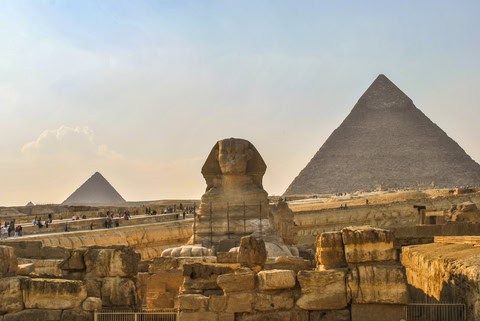
Cairo is usually the starting point, and it deserves more than a quick stop before the pyramids. Give yourself at least three nights. That allows time for Giza, the Egyptian Museum or Grand Egyptian Museum depending on what is open during your trip, Islamic Cairo, and a little room to absorb the city rather than just survive it.
From Cairo, most independent travelers continue south to Luxor. Flying saves time, while the overnight train can work if you want to keep costs predictable and avoid a hotel night. Luxor is temple-heavy in the best possible way. Karnak, Luxor Temple, the West Bank, and the Valley of the Kings all need time and energy, especially in the heat.
Aswan feels calmer and more spacious. It is a good place to slow down after Cairo and Luxor, and the Nile scenery alone changes the mood of the trip. If you want to understand how to travel Egypt independently in a way that feels manageable, this is part of the answer – alternate intense stops with calmer ones.
A strong first-timer itinerary often looks like this:
- Cairo: 3 nights
- Luxor: 2 to 3 nights
- Aswan: 2 nights
- Abu Simbel or Red Sea extension: 1 to 3 nights
That is enough to see major highlights without turning the trip into a constant transfer.
Getting around Egypt on your own
Domestic flights are the easiest way to cover long distances, especially between Cairo and Luxor or Aswan. They are not always the cheapest option, but they can save a full day of overland movement. If your vacation time is limited, flights are often worth it.
Trains are useful on the Nile corridor, particularly between Luxor and Aswan. First-class daytime trains can be a comfortable and scenic option. The overnight sleeper from Cairo is convenient in theory, but comfort levels are mixed, and some travelers find flying simpler.
Private drivers are a smart choice for certain day trips. This is especially true for routes where public transport is inconvenient or unclear. In places like Luxor, hiring a driver for a day can make your schedule easier without making the trip feel packaged.
Within cities, ride-hailing apps are often easier than hailing a street taxi, especially in Cairo. They reduce the stress of bargaining and help with route clarity. Even so, keep a little flexibility. Traffic in Cairo is legendary, and travel times can stretch far beyond what the map suggests.
Money, scams, and the real cost of independent travel
Egypt can be affordable, but it is not as cheap as some travelers expect once flights, entry tickets, and transport between cities are added up. The major archaeological sites carry separate admission fees, and those can stack up quickly.
Budget travelers can still do Egypt independently, but the savings often come from simple hotels and slower overland transport rather than from attractions. Mid-range travelers usually find the best balance. You can stay in well-located hotels, book reliable transport, and still keep the trip within reason.
You should also expect some hustle, especially around major tourist sites. Touts, aggressive sales pitches, and persistent offers for camel rides or unofficial guiding are part of the experience in some areas. This does not mean Egypt is unsafe. It means you need calm, clear boundaries. A polite but firm no goes a long way. So does ignoring repeated offers once you have declined.
Carry cash, but not all of it in one place. Cards are accepted in many hotels and some restaurants, but smaller vendors, local cafes, and transport situations often still run on cash. Keep small bills handy for tips and everyday purchases.
Safety and confidence for independent travelers
For most travelers, the main challenge in Egypt is not danger but friction. You will likely deal with noise, negotiation, traffic, and occasional pressure from vendors. That can be tiring, especially after long sightseeing days.
The best safety strategy is practical rather than dramatic. Book your first hotel carefully, arrange airport pickup if arriving late, avoid wandering unfamiliar areas without purpose at night, and dress respectfully. For women travelers, especially solo travelers, modest clothing often reduces unwanted attention and helps you move more comfortably through public spaces.
It also helps to know when independence has limits. Some travelers are happy navigating Cairo transit and local minibuses. Others prefer to self-plan the big trip while using drivers, trains, and site guides on the ground. Neither approach is more authentic. The best one is the version that lets you stay alert, curious, and actually enjoy Egypt.
Where local guides make a real difference
Egypt is one of the clearest examples of a destination where historical context transforms what you are seeing. Without it, temples can start to blur together. With a strong guide, relief carvings, tomb paintings, and ruined columns begin to tell a story.
That is why independent travel here often works best with selective support. Hiring a local guide at Giza, Saqqara, Luxor West Bank, or Abu Simbel can save time and deepen the experience. You are still traveling on your own terms, but you are not missing the meaning behind the stones.
At Damtos Adventure, we always lean toward travel that goes deeper rather than just farther. In Egypt, that usually means leaving space for conversations, context, and local knowledge instead of treating every site like a box to check.
What to wear, how to behave, and how to travel with respect
Egypt is used to international visitors, but it is still a conservative society in many settings. You do not need to overthink every outfit, yet modest dress is the easiest choice outside resort areas. Lightweight pants, longer skirts, loose shirts, and a scarf for sun or mosque visits are practical and respectful.
Cultural respect also shows up in smaller moments. Ask before photographing people. Learn a few basic greetings. Do not assume every interaction is transactional, but do understand that tourism is a livelihood for many locals. A little patience matters.
Friday can affect business hours and rhythms, and Ramadan changes the pace of daily life in meaningful ways. Neither is a problem for travelers, but both can shape how your day unfolds. That is the kind of detail that makes independent travel smoother – not just knowing what to see, but knowing how the country moves.
How to travel Egypt independently and still keep it enjoyable
The smartest Egypt trips are not the ones with the most stops. They are the ones with enough breathing room to enjoy a sunset felucca ride in Aswan, a quiet early start at Karnak, or an evening walk in Cairo after the day-trippers have gone. Build your route with intention, budget for a little comfort where it counts, and let expert local help fill the gaps where it actually improves the experience.
Egypt does not ask you to travel perfectly. It asks you to stay open, stay organized, and meet the country with both curiosity and common sense. Do that, and independent travel here stops feeling complicated and starts feeling unforgettable.