10 Best Cultural Experiences in Rwanda to Try
Rwanda’s hills are best known internationally for gorilla trekking, but the country’s most lasting memories often happen far from the forest. They might begin over a shared plate of brochettes in Kigali, in the measured rhythm of an Intore dance, or during a conversation with an artist shaping cow-dung panels into bold geometric art. The best cultural experiences in Rwanda reveal a country that is creative, forward-looking, and deeply connected to its history.
For travelers building a Rwanda itinerary, culture is not an extra day between wildlife activities. It is the context that makes every landscape, meal, and welcome feel more meaningful. These experiences work especially well before or after time in Volcanoes National Park, Nyungwe Forest, or Akagera National Park.
1. Spend time with Kigali’s art, food, and creative energy
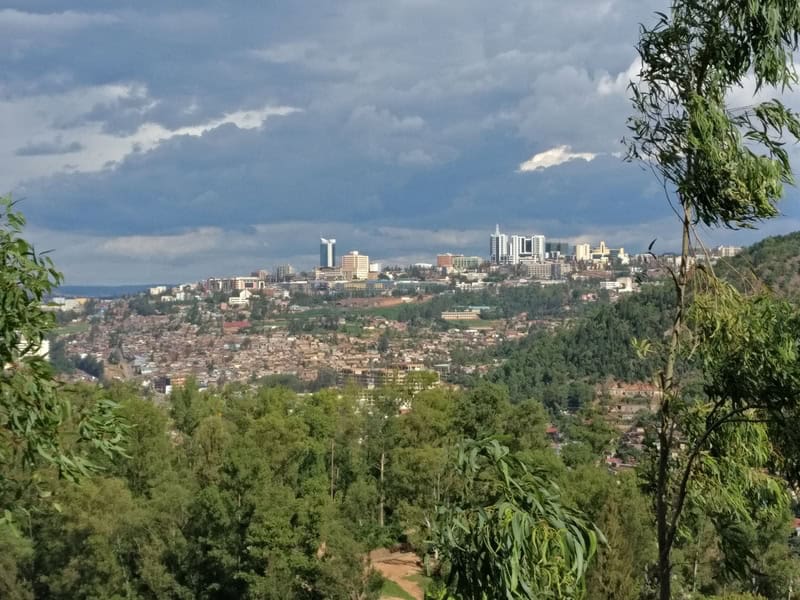
Kigali is clean, green, and remarkably easy to navigate by East African capital standards, but it should not be treated as a one-night transit stop. Start in neighborhoods such as Nyamirambo, where small businesses, tailors, cafés, and market stalls create a lively view of daily city life. A guided walk is a worthwhile choice here because local context turns an ordinary street into a richer story about entrepreneurship, community, and changing urban Rwanda.
Kigali’s galleries and creative spaces are equally rewarding. Look for contemporary painting, sculpture, photography, and fashion that speak to identity, memory, and the country’s future. Finish with a Rwandan meal featuring grilled meat, beans, plantains, sweet potatoes, cassava, or fresh tilapia. If you are curious about local flavors, ask for isombe, a cassava-leaf dish often served with peanut sauce, or sample a cold locally brewed beer alongside your meal.
2. Visit the Kigali Genocide Memorial with care
A visit to the Kigali Genocide Memorial is one of Rwanda’s most significant cultural and historical experiences. It documents the 1994 Genocide Against the Tutsi, honors victims, and explains the social and political conditions that led to it. This is not a quick attraction to squeeze between brunch and shopping. Give it time, move slowly, and allow space afterward to process what you have seen.
The memorial also offers essential perspective on Rwanda’s recovery, reconciliation efforts, and the powerful public emphasis on unity that visitors notice across the country. Photography rules and visitor guidance should be followed closely. Dress modestly, speak quietly, and avoid treating memorial spaces as a backdrop for social media. A respectful visit is both more appropriate and more meaningful.
3. Watch an Intore dance performance
The Intore dance is one of Rwanda’s most striking traditions. Dancers move with precision and athletic control, often wearing grass wigs and carrying spears, while drums establish a pulse that fills the performance space. The name Intore is commonly associated with “the chosen ones,” reflecting the dance’s historic connection to royal courts and warriors.
A good performance is not simply entertainment. It brings together music, ceremonial dress, storytelling, discipline, and pride in heritage. Performances are available in Kigali and near major tourism areas, including Musanze. For a deeper experience, seek out a program that introduces the meaning behind the movements and instruments rather than offering only a short stage show.
4. Step into royal history at the King’s Palace Museum
In Nyanza, south of Kigali, the King’s Palace Museum offers a clear window into pre-colonial Rwandan monarchy. The reconstructed royal residence is built in a traditional style, with a thatched roof and carefully arranged interior spaces that reflect the structure of court life. Nearby, the more modern palace of King Mutara III Rudahigwa adds another layer to the story.
The museum’s famous long-horned Inyambo cattle are a highlight, but they are more than photogenic animals. Cattle have long held social, economic, and symbolic importance in Rwanda, tied to status, ceremony, poetry, and hospitality. Watching their handlers guide them is a memorable introduction to a tradition that remains visible in rural life today.
5. Learn the story behind Imigongo art
Imigongo is among Rwanda’s most recognizable art forms. Traditionally made from cow dung applied to wooden boards, then painted in black, white, red, ocher, or gray, its raised geometric patterns are instantly distinctive. The style is associated particularly with eastern Rwanda and is often said to have originated in the 18th century.
Visiting a cooperative or workshop offers more value than buying a souvenir in a hotel shop. You can see the patience behind the process, meet the makers, and understand how traditional materials have been adapted into contemporary design. If you purchase a piece, choose one directly from an artist or cooperative where possible. It is a practical way to take home something beautiful while supporting skilled local work.
6. Cook and eat your way into Rwandan hospitality
Food is one of the easiest ways to travel deeper in Rwanda. A cooking experience, home-hosted meal, or market visit can introduce you to ingredients that may be unfamiliar at first but quickly become comforting: matoke bananas, cassava, sorghum, groundnuts, beans, and leafy greens.
Rwandan cooking is often simple in the best sense – nourishing ingredients, careful preparation, and food meant to be shared. Ask about umutsima, a filling dish made from cassava and corn, and brochettes, skewers that are popular at roadside grills and neighborhood restaurants. Travelers with dietary requirements can usually eat well, especially if they communicate early, though choices outside Kigali may be more limited. Vegetarian meals are often easier to arrange than travelers expect because beans and vegetables are everyday staples.
7. Visit a tea estate in the Land of a Thousand Hills
Rwanda’s tea-growing landscapes are a cultural experience as much as a scenic one. Around Nyungwe and other highland regions, neat rows of tea stretch across steep green hills, and workers move through the fields with remarkable speed and skill. A visit can include a walk through the plantation, an introduction to plucking methods, and a tasting session that explains how leaves become the cup in your hands.
The best visits make room for the human side of tea production. Ask questions about seasonal work, processing, and what a typical day looks like for local growers. Be mindful when taking photographs of people working. Always ask first, and accept no gracefully. The view may be spectacular, but the conversation is usually what stays with you.
8. Explore Huye’s ethnographic heritage
Huye, formerly known as Butare, is one of Rwanda’s strongest stops for travelers interested in traditional life, craftsmanship, and history. The Ethnographic Museum presents objects related to farming, hunting, architecture, clothing, music, and ceremonial practices. It gives useful background before visiting villages or craft communities elsewhere in the country.
This is a quieter experience than Kigali’s urban energy or the excitement of Volcanoes National Park, which is exactly its appeal. Plan for a local guide if available, especially if you want help interpreting what you see beyond display labels. Huye also fits naturally into a southbound route that includes Nyanza and Lake Kivu.
9. Meet craftspeople in cooperative settings
Basket weaving, pottery, woodwork, tailoring, and beadwork remain important expressions of skill and income across Rwanda. The distinctive agaseke basket, often recognized by its coiled form and pointed lid, carries associations of peace, generosity, and celebration. Watching weavers work reveals why a finely made basket deserves more attention than a hurried souvenir purchase.
Choose experiences that are transparent about who benefits, how long visits last, and whether artisans are paid fairly for demonstrations. Some tourism programs can feel staged, particularly when they promise an overly polished version of “village life.” That does not mean you should avoid community visits. It means choosing smaller, respectful encounters where conversation and exchange matter more than performance.
10. Join community life responsibly near Musanze
Musanze is the gateway to gorilla trekking, but its surrounding communities offer ways to understand the region beyond the permit and the lodge. Depending on the program, you may visit farms, learn about banana beer production, try traditional drumming, or hear stories connected to local life near the Virunga foothills.
Set expectations honestly. A cultural visit is not the same as being absorbed into private daily life, and no traveler should expect access to every tradition. The right experience is one led by local residents on their terms, with clear consent and tangible benefit for participants. Small-group visits are often more personal, while families may appreciate programs with hands-on crafts, music, or cooking.
Planning the best cultural experiences in Rwanda
Rwanda is compact, so it is possible to combine several cultural stops with wildlife in one well-paced trip. Give Kigali at least two nights if you want to include the memorial, markets, food, and art without rushing. Add Nyanza and Huye for royal and ethnographic history, or build tea and community experiences around Nyungwe and Musanze.
English is widely used in tourism, alongside Kinyarwanda and French, but learning a few Kinyarwanda greetings is always appreciated. Dress neatly in cities, memorials, and rural communities, ask before photographing people, and arrive with curiosity rather than assumptions. Rwanda is not a culture frozen in time for visitors. It is a living country shaped by tradition, innovation, loss, and extraordinary momentum.
Leave room in your itinerary for the unplanned moments: a roadside conversation, a café recommendation from a guide, the sound of drums carrying across an evening hill. Those are often the moments when Rwanda feels closest.